

Cooling solutions for outdoor sports are the gear and habits that keep your core body temperature in a safe range while you train, compete, or play outside. They include cooling vests, cooling bandanas, caps, cold drinks, shade, and planned rest breaks. Used the right way, they lower your risk of heat illness and help you hold your pace for longer.
Running, cycling, football, tennis, and hiking all make your body produce a lot of heat. On a hot, humid day, your body struggles to get rid of it fast enough. That is when performance drops and the risk of heat exhaustion or heat stroke goes up. This guide covers how cooling works, when to use it, which gear fits each sport, and what coaches and event organizers should keep on hand.
Key takeaways
- The most effective cooling solutions for outdoor sports work in three windows: before activity (pre-cooling), during play and breaks (per-cooling), and after activity (post-cooling).
- A 2015 meta-analysis found that pre-cooling improved performance in the heat by about 5.7%, and cooling during exercise improved it by about 9.9%.
- Water-based gear like a cooling bandana or cooling vest works best in dry or breezy weather. In high humidity, add shade, cold drinks, and ice.
- Cooling gear supports safety, but it never replaces hydration, rest breaks, and knowing the warning signs of heat stroke.
- For suspected heat stroke, cold water immersion is the fastest treatment. Call emergency services and cool the person first.
Why Heat Is a Serious Risk in Outdoor Sports
Your muscles turn most of the energy they burn into heat. At rest, your body gets rid of that heat easily. During hard exercise in the sun, heat builds faster than sweat and blood flow to the skin can remove it. Humidity makes this worse, because sweat cannot evaporate well when the air is already full of moisture.
As your core temperature climbs, your heart rate rises, effort feels harder, and focus slips. Push past that point and you move into heat exhaustion. Keep going and it can turn into exertional heat stroke, a medical emergency where core temperature rises above about 40°C (104°F).
This is not only a problem for pro athletes. A CDC study of U.S. high school sports found that heat illness was most common in football, peaked in August, and happened more often at practice than in games. The CDC’s heat guidance for athletes recommends training in the cooler parts of the day, drinking more than thirst suggests, and building intensity gradually. That is why cooling solutions for outdoor sports are now standard at every level, from youth leagues to pro teams.
Warning Signs of Heat Exhaustion and Heat Stroke
Spotting the early signs is the most important safety skill for any athlete, parent, or coach. The CDC lists these symptoms:
- Heat exhaustion: heavy sweating, headache, dizziness, nausea, weakness, thirst, and irritability.
- Heat stroke: confusion, slurred speech, fainting or collapse, seizures, and a very high body temperature. The skin may be hot and dry, or still sweating heavily.
If someone shows signs of heat stroke, call emergency services right away and start cooling them while you wait.
How Cooling Solutions for Outdoor Sports Work
Most cooling gear removes heat in one of two ways. Conductive cooling uses something colder than your skin, such as ice, gel packs, or cold water, to pull heat out directly. Evaporative cooling uses water held in fabric or absorbent crystals. As that water evaporates, it carries heat away from your skin. When you cool down matters just as much as what you use.
Pre-Cooling: Before You Start
Pre-cooling lowers your starting temperature, so you have more room to work before you overheat. Common methods include drinking cold fluids or an ice slurry, wearing a cooling vest during your warm-up, and staying in the shade until the start. About 20 to 30 minutes before a race or match is a practical window.
Per-Cooling: During Play and Breaks
Per-cooling means cooling while you are active or during stoppages. Think of a soaked cooling bandana around your neck, a cooling cap, cold water poured over your head and forearms, or a vest at half time. These small doses of cooling help keep your effort and heart rate under control.
Post-Cooling: Recovery After the Game
After activity, cooling brings your temperature back to normal and can ease sore muscles. Cold water, a shaded rest area, and a gel ice pack on tight spots all help. Our guide on how cold therapy helps athletes recover faster covers the recovery side in more detail.
The research backs this up. A meta-analysis in the British Journal of Sports Medicine found that pre-cooling improved exercise performance in the heat by about 5.7%, while cooling during exercise improved it by about 9.9%. Before exercise, combining several cooling methods worked best.

Types of Cooling Gear for Athletes Compared
Not all cooling solutions for outdoor sports work the same way. Each type suits a different sport and setting. Here is a quick comparison.
| Cooling solution | How it works | Best for | When to use |
|---|---|---|---|
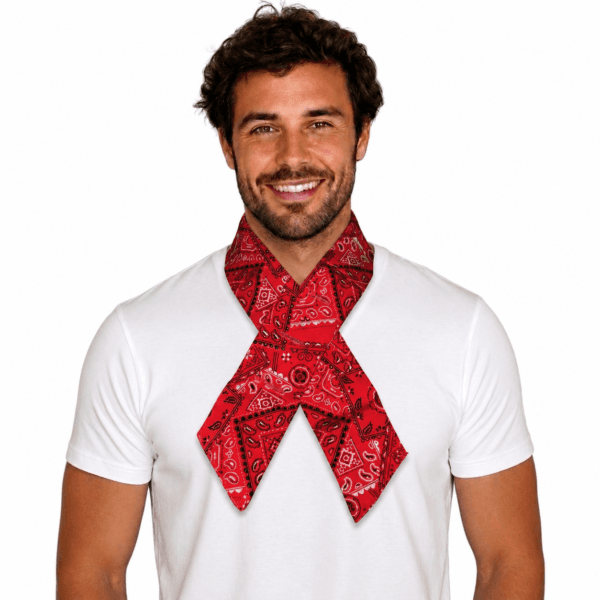
| Cooling bandana or neck wrap | Evaporative, absorbent crystals hold water | Running, hiking, golf, spectators | During activity |
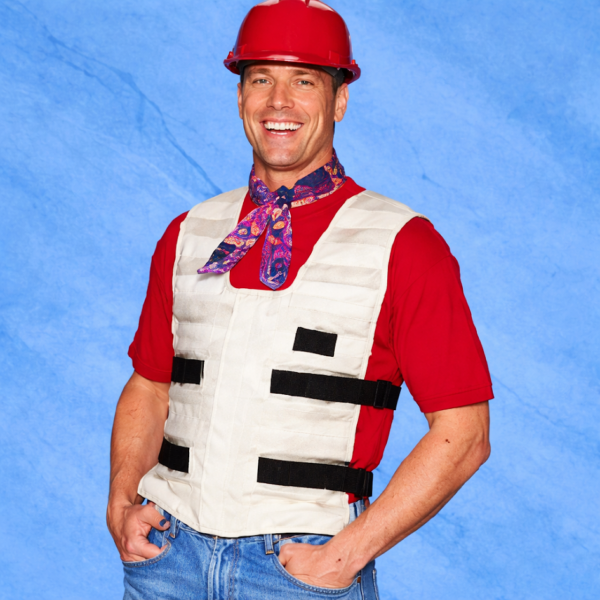
| Cooling vest | Evaporative or gel, cools the torso | Warm-ups, team benches, long events | Before and between sessions |
| Cooling cap, visor, or headband | Evaporative, plus shade for the face | Tennis, cycling, trail running | During activity |
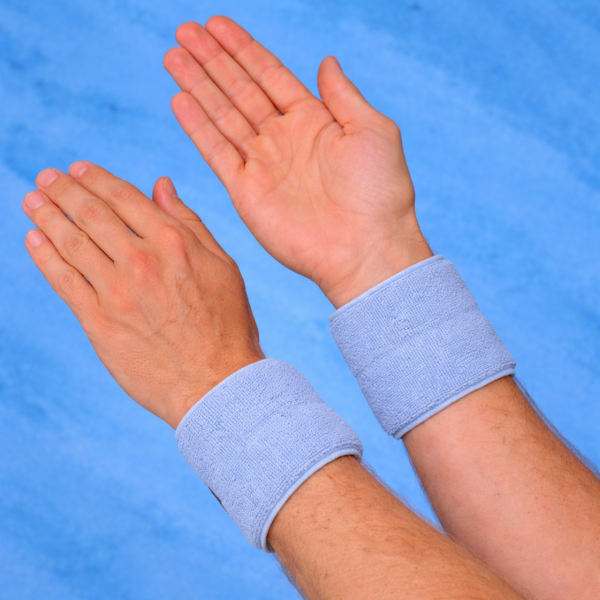
| Cooling wristband | Evaporative, cools blood close to the skin | Racquet sports, outdoor workouts | During activity |
| Gel ice packs and cold compresses | Conductive, direct cold | Recovery, minor strains | After activity |
| Cold drinks and ice slurry | Internal cooling | Every sport | Before and during |
For a closer look at each product type, see our full guide to cooling products for outdoor activities.
7 Proven Ways to Use Cooling Solutions for Outdoor Sports
- Check the heat before you go. Look at the temperature, humidity, and heat index. Many schools and leagues use wet bulb globe temperature (WBGT) readings to decide when to shorten practice or add breaks.
- Pre-cool for 20 to 30 minutes. Drink cold fluids and wear a cooling vest while you warm up in the shade.
- Keep your neck and head cool. A soaked cooling neck bandana or a cooling visor cap is light enough to wear the whole time you play.
- Use every break. Pour cold water over your head and forearms, re-soak your bandana, and get into the shade, even for two minutes.
- Hydrate on a schedule. Do not wait until you feel thirsty. Drink small amounts often, and add electrolytes for sessions longer than an hour.
- Acclimatize gradually. Your body adapts to heat over about 10 to 14 days of steadily increasing exposure. Start shorter and lighter at the beginning of the season.
- Cool down properly afterward. Rehydrate, rest in the shade, and use a cold compress on sore muscles for 15 to 20 minutes at a time.
Sport-by-Sport Cooling Plan
The right cooling solutions for outdoor sports depend on how long you play, how much gear you wear, and how easy it is to reach shade. Here is what works for the most popular activities.
Running and Cycling
Long efforts in the sun build heat steadily. A cooling cap or cooling headband, a neck bandana, and cold water poured over your head at aid stations make a real difference. Pre-cool with a cold drink before the start, especially for summer races. Our tips on avoiding common running injuries are worth a read too.
Football, Soccer, and Team Sports
Heavy uniforms and helmets trap heat. Keep cooling vests and soaked towels on the bench, schedule water breaks every 15 to 20 minutes in hot weather, and have a tub of ice water ready at practice in case of emergencies.
Tennis, Golf, and Pickleball
Hard courts and open fairways reflect heat back at you. Use changeovers to cool your neck and wrists, wear a visor for shade, and keep a small cooler with cold towels courtside or in the cart. A cooling wristband is an easy add for racquet sports.
Hiking, Camping, and All-Day Outings
On the trail you cannot always find shade when you need it. Carry a crystal cooling bandana you can re-soak at a stream or from your water bottle, start early in the day, and plan breaks in shaded spots.
Youth Sports
Kids often do not notice or report the early signs of overheating. Coaches and parents should enforce breaks, check in with each player, and give younger athletes gear that fits them, such as a kids cooling bandana.
Spectators, Parents, and Volunteers
People on the sidelines face the same sun, often for longer and with less shade. A tournament weekend can mean eight hours outside. Bring a cooling bandana or cap, a folding chair with a canopy, and a cooler of cold drinks. Take turns stepping into the shade, and keep an eye on older relatives and small children, who are more sensitive to heat.
What Coaches and Event Organizers Should Provide
If you run a team, a league, or a summer event, cooling solutions for outdoor sports belong in your safety plan. A simple setup covers most situations:
- Shaded rest areas or pop-up tents close to the field
- Plenty of cold water and electrolyte drinks
- Coolers with ice, soaked towels, and cooling bandanas or vests for players and staff
- A tub or large container for cold water immersion
- A written emergency action plan and staff trained to spot heat illness
The tub matters most. At the Falmouth Road Race, cold water immersion led to a 100% survival rate across 274 cases of exertional heat stroke. Sports medicine teams follow a simple rule: cool first, then transport. For more ideas, read our post on cooling products for summer outdoor events.
How to Care for Your Cooling Gear
Crystal-filled bandanas and vests last longer when you look after them. Soak them in cool, clean water until the crystals swell (the label tells you how long), then gently squeeze out extra water before you put them on. After use, rinse them, let them dry fully in a shaded spot, and store them in a breathable bag so they do not grow mildew. Gel ice packs should go back in the freezer lying flat, and a quick wipe with mild soap keeps them clean between sessions. Check seams and fabric at the start of each season, and replace anything that leaks or tears.
What Cooling Gear Can and Cannot Do
Cooling solutions for outdoor sports make the heat easier to handle, but they have limits. Evaporative products lose some of their effect in very humid weather, so pair them with shade, cold drinks, and ice when the air feels sticky. No vest or bandana can make up for poor hydration, skipped breaks, or training too hard too soon. And if someone shows signs of heat stroke, a wearable is not treatment. Call for help and cool them fast with cold water.
Frequently Asked Questions
What are the best cooling solutions for outdoor sports?
There is no single best option. A cooling bandana or cap works well during play because it is light and easy to re-soak. A cooling vest is ideal before the start and during breaks. Cold drinks help in every sport. Most athletes get the best results by combining two or three of these.
Does pre-cooling really improve athletic performance?
Yes. A meta-analysis in the British Journal of Sports Medicine found that pre-cooling improved performance in the heat by about 5.7% on average. Cooling during exercise showed an even larger effect, at about 9.9%.
How long does a cooling bandana stay cool?
A crystal-filled cooling bandana holds water for hours, so it keeps working through a long session. The cooling feels strongest in dry, breezy weather. When it starts to feel warm, dip it in cold water for a few minutes to refresh it.
Do cooling products work in humid weather?
Evaporative products still help, but less than in dry air, because water evaporates more slowly when humidity is high. In humid conditions, add conductive cooling like ice packs, cold towels, and cold drinks, and spend more time in the shade.
Are cooling vests and bandanas safe for kids?
Yes. Water-based cooling bandanas and vests are safe for kids when they fit well and are not tight around the neck. Adults should still watch young players closely, since children often do not say when they feel overheated.
What should you do if someone has heat stroke during a game?
Call emergency services right away. Move the person to shade and start cooling immediately, ideally by immersing their body in cold water. If no tub is available, place ice-water towels over as much of the body as possible and keep rotating them until help arrives.
Can I use a regular ice pack instead of a cooling vest?
For short breaks, yes. An ice pack or cold towel on the neck, armpits, or groin cools you down quickly. Wrap it in a thin cloth to protect your skin and limit each use to about 15 to 20 minutes. For longer sessions, a vest or bandana is easier because you can wear it while you move.
Choosing the Right Cooling Solutions for Outdoor Sports
The best setup is the one you will actually use. For most athletes, that means a cooling bandana or cap during play, a vest or cold drink before the start, and cold therapy for recovery. Add a simple plan for breaks and hydration, and you will train safer and hold your level longer through the summer.
At Axizz, we make simple cooling solutions for outdoor sports that work with nothing more than water, including the COOLMOR™ Cooling Vest, cooling bandanas, and headbands. Soak them, wear them, and re-soak whenever you need a fresh round of cooling. For recovery, our guide on therapy gel packs for sports and fitness recovery explains how to use cold safely after training.