
Cooling products for outdoor activities have gone from a nice-to-have to standard kit for anyone who spends real time in the sun. Hiking, cycling, coaching a weekend match, working a job site, or just standing in line at a summer festival all get harder once the temperature climbs past the mid-80s. The right cooling gear keeps your body temperature in a workable range, so you finish the day feeling like you enjoyed it instead of survived it.
This guide covers how these products work, which type suits which activity, and how to get the most out of them.
Why Heat Makes Outdoor Activity So Much Harder
Your body sheds heat mainly through sweat evaporation. That system works well until humidity rises or the air gets hotter than your skin. At that point sweat stops evaporating efficiently, core temperature creeps up, and your heart has to work harder to push blood to the skin for cooling. The result is the familiar heavy-legged, foggy-headed feeling that shows up an hour into a hot hike.
Push past that point and you move into heat exhaustion territory. According to NIOSH guidance on heat stress, heat-related illness ranges from cramps and rash through exhaustion to heat stroke, which is a medical emergency. Mayo Clinic lists heavy sweating, dizziness, nausea, a weak rapid pulse, and muscle cramps as early warning signs.
Cooling gear buys back some of that margin. It pulls heat off the skin so your own cooling system does not have to carry the entire load.
How Cooling Products for Outdoor Activities Work
Most cooling gear falls into one of three categories, and each behaves differently in the field.
Evaporative Cooling
Cooling towels, bandanas, and most cooling hats use engineered fabric that holds water and releases it slowly. As that water evaporates, it draws heat from the fabric and the skin underneath. You wet the item, wring it out, snap it, and wear it. Re-wetting takes seconds. Evaporative gear is light, cheap to run, and works best in dry heat with some air movement.
Gel and Phase-Change Cooling
Gel-based inserts and phase-change packs absorb heat as they shift from solid to liquid at a set temperature. They deliver stronger, more consistent cooling than evaporative fabric and keep working in humid air, but they need a cooler or freezer to recharge. These are the ones worth carrying when the forecast is humid rather than just hot. Our overview of reusable cooling packs goes deeper on how they hold temperature.
Shade, Airflow, and Sun Blocking
Wide-brim hats, ventilated caps, and UV-rated fabric do not cool you directly. They stop radiant heat from reaching you in the first place, which is often the bigger win. A brimmed hat plus a wet neck wrap usually outperforms either one alone.
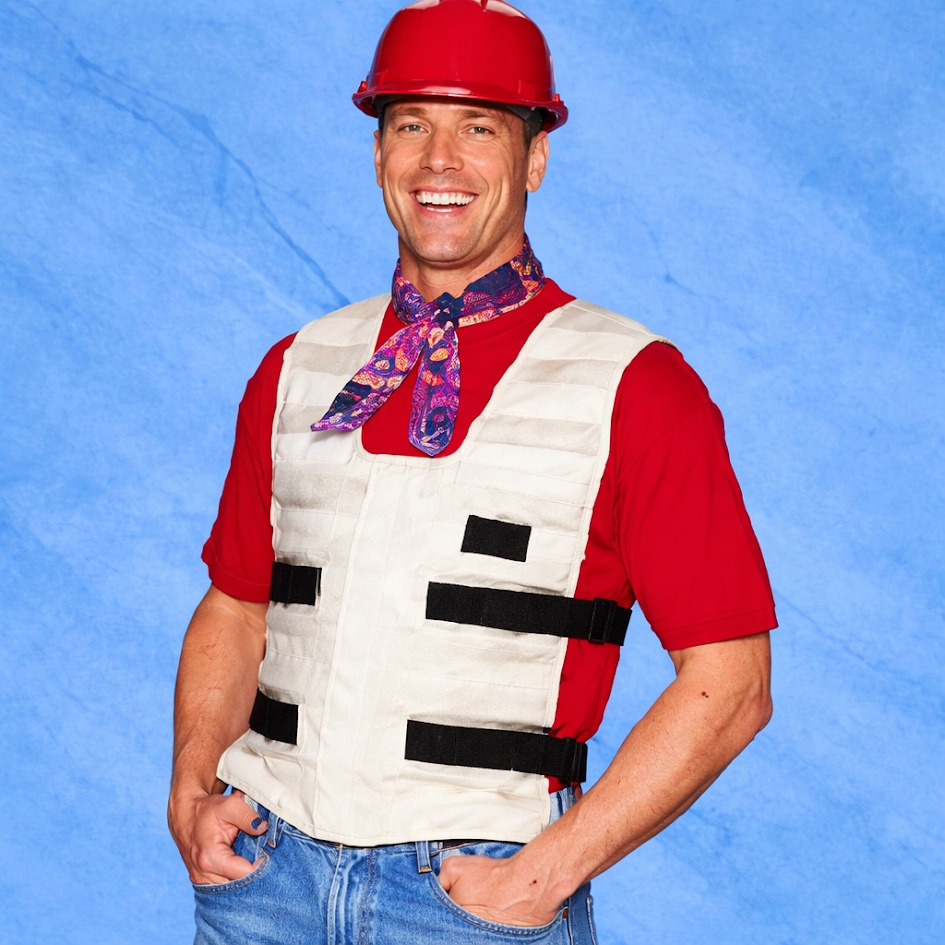
The Best Cooling Products for Outdoor Activities
Cooling Towels and Neck Bandanas
The neck is a high-value target because major blood vessels run close to the surface there. A wet neck cooling bandana takes up almost no pack space and can be re-wet at any water stop. Towels do the same job with more surface area and double as a seat cover or a sweat rag.
Cooling Vests
Vests cover the torso, where most metabolic heat is generated. A cooling vest is the strongest option for sustained heat exposure: long shifts, endurance events, marshalling, or field work. They are bulkier than a towel, so they make most sense when you will be out for hours rather than minutes.
Cooling Hats, Caps, and Headbands
A cooling ranger hat combines shade with evaporative fabric, which is why it works so well for gardening, fishing, and trail days. A cooling headband is the lighter alternative when you want the forehead cooling without a full brim, and it sits comfortably under a cycling or climbing helmet.
Gel Packs and Cold Compresses
A flexible cold compress in the cooler covers both jobs: rapid cooling during a break, and treatment for the sprains and knocks that come with outdoor sport. If recovery is the priority, our guide to cold therapy after physical activity covers timing and duration.
Matching Cooling Products to Your Activity
The best cooling products for outdoor activities depend on how long you are out, how much you are carrying, and whether you can recharge anything mid-day.
- Hiking and trail running: a cooling towel or neck wrap plus a brimmed hat. Both re-wet at stream crossings, and neither adds meaningful weight.
- Cycling: a cooling headband under the helmet and a wrist band. Airflow at speed makes evaporative gear especially effective here.
- Team sports and training: a cooling vest between periods, towels on the bench, and gel packs in the cooler. The effect of cooling on sports performance and recovery is well documented for interval-based sport.
- Gardening and yard work: a wide-brim cooling hat and a neck bandana. You are usually near a tap, so re-wetting is easy.
- Festivals, fairs, and spectator events: lightweight, no-mess options such as bandanas and cooling caps. See our notes on cooling products at summer outdoor events.
- Outdoor work: a cooling vest is usually the right call, since shifts are long and breaks are fixed. Our guide to cooling accessories in high-temperature environments covers this in more detail.
What Cooling Gear Can and Cannot Do
Cooling products for outdoor activities reduce thermal strain. They do not replace water, rest, or shade, and they will not make an unsafe day safe. If someone stops sweating, becomes confused, or their skin turns hot and dry, that is a heat stroke pattern and it needs emergency care, not a cooling towel.
Treat cooling gear as one layer of a plan that also includes drinking before you feel thirsty, scheduling hard effort outside the 11am to 4pm window, and taking breaks in shade. For a broader view of how this fits together, see our piece on cooling solutions for outdoor sports and recreation.
Getting More Out of Your Cooling Gear
A few small habits make cooling products for outdoor activities noticeably more effective.
- Start cool, do not wait. Wet the towel or chill the vest before you head out. Cooling gear is far better at maintaining comfort than at rescuing you once you have overheated.
- Target pulse points. Neck, wrists, and temples give the fastest perceived relief for the least material.
- Match the product to the humidity. Dry heat favors evaporative fabric. Humid heat favors gel and phase-change packs.
- Carry a recharge plan. An insulated bag with a spare gel pack extends your cooling window well past what a single item gives you.
- Rinse and dry after use. Cooling fabric holds sweat and minerals. A rinse after each outing keeps it absorbent and odor-free.
Frequently Asked Questions
How long do cooling towels stay cold?
Most stay noticeably cool for one to two hours, depending on humidity and airflow. In dry, breezy conditions you get the longer end of that range. Re-wetting restores the effect immediately, which is why they pair so well with a water bottle.
Do cooling vests work in humid weather?
Gel and phase-change vests do, because they cool by direct heat transfer rather than evaporation. Purely evaporative vests lose effectiveness above roughly 60 percent humidity. If you train or work in a humid climate, choose a gel-based vest.
Can you take gel ice packs hiking?
Yes. Flexible gel packs are light enough for a day pack and stay cold for several hours inside an insulated sleeve. They also serve as a cold compress if someone rolls an ankle, which makes them worth the weight on longer trips.
Are cooling products safe for children?
Most cooling products for outdoor activities are fine for kids. Evaporative towels, bandanas, and hats in particular are a practical way to keep them comfortable at sports days and outdoor events. Frozen gel packs should not sit directly against a child’s skin. Use a cloth barrier and limit contact to short intervals.
How do you clean and store cooling gear?
Rinse evaporative fabric in cool water after every use and air-dry it fully before storing, ideally unfolded so air can circulate. Wipe gel packs with mild soap and water and keep them flat in the freezer. Skip fabric softener on cooling textiles because it coats the fibers and reduces absorbency.
Building Your Own Setup
You do not need everything at once. Start with a neck bandana or towel, add a brimmed cooling hat if you spend long stretches in direct sun, and step up to a vest or gel packs when your outings run past a couple of hours. Choosing cooling products for outdoor activities is mostly a question of how long you are out and how humid it gets where you live.
Browse the full range of Axizz cooling products to put together a kit that matches the way you actually spend your time outside.