
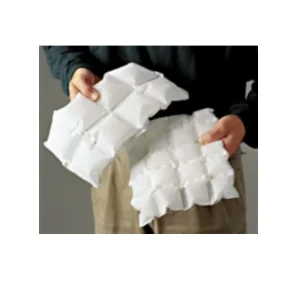
Ice blankets in rehabilitation are large, flexible cold packs that wrap around a joint or muscle group to deliver even cold therapy after an injury or surgery. Physical therapists use them to reduce swelling, ease pain, and help patients start moving sooner. This guide explains how they work, the main benefits, how they compare with standard ice packs, and how to use one safely at home or in the clinic.
Key Takeaways
- Ice blankets cover a wider area than a standard ice pack, so cooling is more even across knees, shoulders, hips, and the back.
- Cold therapy narrows blood vessels and slows nerve signals, which helps control swelling and pain in the first days after injury or surgery.
- Most rehab protocols use 15 to 20 minutes of cold at a time, with a thin cloth between the blanket and skin.
- Reusable gel ice blankets stay flexible when frozen, which makes them more comfortable and practical than loose ice.
- People with poor circulation, reduced skin sensation, or cold sensitivity should talk to a clinician before using cold therapy.
What Is an Ice Blanket?
An ice blanket is a sheet of small gel or ice cells sealed inside a flexible outer layer. You freeze it, then drape or wrap it over the treatment area. Because the cells are small and separated, the blanket bends around body contours instead of sitting flat like a solid block of ice.
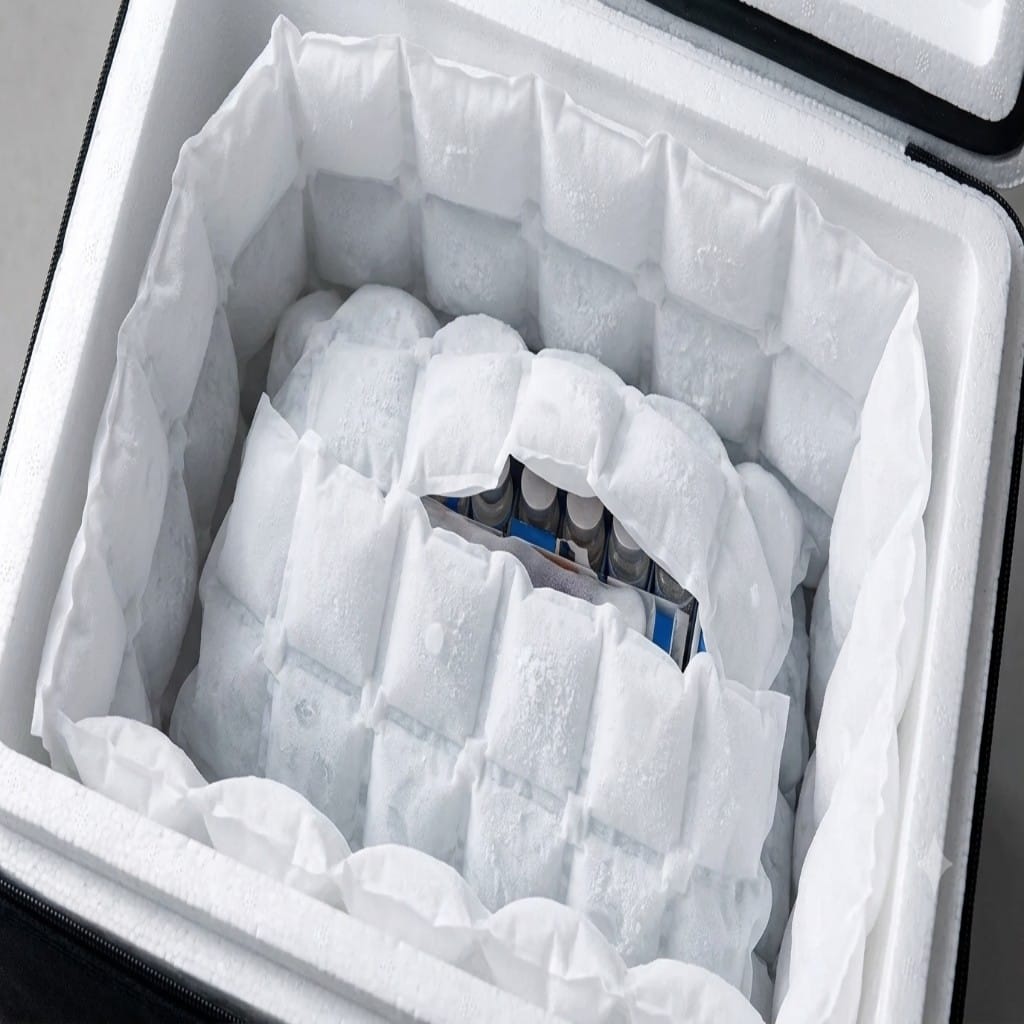
This design is what makes ice blankets useful in rehab. A standard pack might cover the front of a knee. An ice blanket can wrap the whole joint, including the sides and back, where swelling often collects after surgery.
How Do Ice Blankets Work in Rehabilitation?
Cold therapy, also called cryotherapy, works in a few simple ways. According to Johns Hopkins Medicine, cold reduces blood flow to an area, which can limit inflammation and swelling, and it temporarily numbs nerve endings to reduce pain.
In practice, that means three things happen when you apply an ice blanket:
- Blood vessels narrow, so less fluid leaks into the surrounding tissue.
- Nerve signals slow down, which lowers the pain the patient feels.
- Tissue metabolism drops, which may reduce secondary damage to nearby cells.
A narrative review on cold and compression found that combining cold with light compression is common in managing musculoskeletal injuries and orthopedic procedures. Many ice blankets come with straps, so they provide both at once. For a deeper look at the science, read our guide on how cold therapy manages inflammation and pain.
7 Benefits of Ice Blankets in Rehabilitation
1. Even Cooling Over Large Areas
Large joints and muscle groups need large coverage. Ice blankets cool the whole area at once, so there are no warm spots between packs and no need to keep moving a small pack around.
2. Better Swelling Control After Surgery
Swelling is one of the biggest barriers to early movement after knee, hip, or shoulder surgery. Wrapping the full joint helps keep fluid buildup under control during the first days of recovery, when therapists want patients bending and walking as soon as it is safe.
3. Pain Relief Without Extra Medication
Cold therapy is a drug-free way to take the edge off pain before or after exercises. Many patients find they can do more repetitions in a session when pain is managed this way.
4. Supports Earlier Mobility
Less pain and less swelling usually mean a better range of motion. That helps patients move through their rehab program on schedule instead of losing days to stiffness.
5. Comfortable Fit That Stays in Place
A flexible blanket molds to the body and stays put, even when the patient is resting in bed or sitting in a recliner. Loose ice bags tend to slide off and leak.
6. Reusable and Cost-Effective
Gel ice blankets can be frozen and reused many times. Clinics save money on disposable packs, and patients get the same consistent therapy at home. Learn more about why gel ice packs beat traditional ice.
7. Easy to Use at Home
Rehab does not stop when the patient leaves the clinic. An ice blanket is simple enough for patients and caregivers to use between appointments, which keeps the home program consistent.
Ice Blanket vs. Ice Pack: Which Is Better for Rehab?
Both have a place. The right choice depends on the size of the area and how long you need to treat it.
| Feature | Ice Blanket | Standard Ice Pack |
|---|---|---|
| Coverage | Large areas: knee, hip, shoulder, back | Small, targeted spots |
| Fit | Wraps around joints | Sits flat on one side |
| Cooling | Even across the whole area | Concentrated in one spot |
| Best for | Post-surgery and large muscle groups | Minor sprains, bruises, small joints |
| Reusable | Yes (gel versions) | Yes (gel versions) |
For small areas like a wrist or ankle, a flexible compress such as the TheraPro Cold Flexible Compress works well. For larger joints, an ice blanket is usually the better fit.
Where Ice Blankets Are Used in Rehab Programs
- Post-surgical recovery: knee replacements, ACL repair, hip surgery, and shoulder procedures.
- Sports injuries: muscle strains, contusions, and overuse injuries in the thighs, calves, and back.
- Chronic joint pain: short-term relief during arthritis flare-ups, as advised by a clinician.
- Post-exercise recovery: cooling large muscle groups after intense therapy sessions. See our article on cold therapy for muscle recovery.
- Equine rehab: horse owners and vets use cold blankets on legs and backs. Our hot and cold therapy blanket for horses is built for this.
For a broader view of how clinics use cold products, read cold therapy for physical rehabilitation.
How to Use an Ice Blanket Safely
- Freeze it properly. Lay the blanket flat in the freezer for at least two hours so the cells freeze evenly.
- Add a barrier. Place a thin towel or cloth between the blanket and the skin. Never put a frozen blanket directly on bare skin.
- Wrap and secure. Mold the blanket around the area and use a strap or elastic wrap for light compression.
- Limit the time. Apply for 15 to 20 minutes, then remove it.
- Rest the skin. Wait at least 40 to 60 minutes before the next session so the skin can warm back up.
- Check the skin. Look for bright red, white, or blotchy patches, numbness that lasts, or blistering. Stop if any of these appear.
- Follow your therapist. Your clinician may change the timing based on your surgery or injury.
Who Should Avoid Cold Therapy?
Cold therapy is safe for most people, but it is not right for everyone. Check with a doctor or physical therapist first if you have:
- Raynaud’s phenomenon or cold sensitivity
- Poor circulation or peripheral vascular disease
- Reduced skin sensation, such as from diabetic neuropathy
- Open wounds or fresh incisions that are not covered
This article is for general information and does not replace advice from your healthcare provider.
How to Choose the Right Ice Blanket
Look for these features when choosing ice blankets in rehabilitation or home recovery:
- Size: big enough to wrap the full joint or muscle group.
- Flexibility when frozen: small gel cells that bend instead of freezing into a solid sheet.
- Durable outer layer: puncture-resistant material that holds up to repeated freezing.
- Reusability: gel that can be refrozen many times.
- Hot and cold option: some blankets can also be warmed for later stages of rehab.
Good options include the TheraPro Hot/Cold Therapy Blanket, the Cryopak Flexible Ice Blanket, and the Cryopak Ice Pack Wrap for targeted joints. You can also compare features in our guide to cooling blankets for recovery.
Frequently Asked Questions
How long should you use an ice blanket during rehabilitation?
Most rehab protocols use an ice blanket for 15 to 20 minutes at a time, followed by at least 40 to 60 minutes off. Your physical therapist may adjust this based on your injury or surgery.
Are ice blankets better than ice packs?
Ice blankets are better for large areas like the knee, hip, shoulder, or back because they wrap around the joint and cool evenly. Standard ice packs work well for small, targeted spots such as a wrist or ankle.
Can I use an ice blanket after knee surgery?
Yes. Ice blankets are commonly used after knee replacement and ACL surgery to help control swelling and pain. Always follow your surgeon’s instructions and keep a barrier between the blanket and your incision or dressing.
Should I use ice or heat for rehabilitation?
Cold is usually used in the early stage to reduce swelling and pain. Heat is often used later to relax stiff muscles and improve flexibility. A hot and cold therapy blanket lets you do both with one product.
Can you put an ice blanket directly on your skin?
No. Always place a thin towel or cloth between the ice blanket and your skin to prevent frostbite or skin irritation.
How do I clean and store a reusable ice blanket?
Wipe it with mild soap and water, dry it fully, and store it flat in the freezer so it is ready for the next session.
Final Thoughts
Ice blankets in rehabilitation make cold therapy simpler, more even, and easier to stick with. They cover large joints, stay in place, and can be reused for weeks of recovery. Used with the right timing and a skin barrier, they help control swelling and pain so patients can focus on getting stronger.
Ready to add cold therapy to your recovery plan? Browse Axizz ice blankets and cold therapy products or contact our team for help choosing the right one.