
Cooling technology for medical recovery covers the cold packs, gel compresses, ice pack wraps, cooling blankets and cold compression systems that patients use after an injury, surgery or flare-up to control pain and swelling. Modern versions use refrigerant gels that stay flexible when frozen, hold a steady temperature for longer than ice, and fit the body so the cold reaches the right spot.
This guide explains how cold therapy works in the body, where the research is strong and where it is mixed, which products suit which recovery situations, and how to use them safely at home or in a clinic.
Key takeaways
- Cold narrows blood vessels and slows nerve signals, which reduces swelling and dulls pain in the first days after an injury or procedure.
- Gel-based cooling stays flexible when frozen, spreads cold evenly and does not drip, so it is easier to use correctly than a bag of ice.
- Sessions of 10 to 20 minutes with a cloth barrier, spaced 1 to 2 hours apart, are the standard safe approach.
- Research on expensive cold therapy machines after knee replacement shows no clear advantage over well-applied traditional cold packs.
- The best product is the one that fits the body part, stays in place and is simple enough for the patient to use every day.
What is cooling technology for medical recovery?
In a medical setting, cooling technology means any product designed to lower tissue temperature in a controlled way. That ranges from a simple reusable gel pack to a wrap with a strap, a full-size therapy blanket, or a powered unit that pumps cold water through a cuff around the joint.
What makes today’s products “advanced” is less about electronics and more about materials. Cold therapy used to mean crushed ice in a plastic bag. It melted, leaked, froze into hard lumps and lost its cold unevenly. Modern refrigerant gels fix most of those problems. They freeze without turning rock hard, mold around a knee or shoulder, and release cold gradually, so the temperature against the skin stays more consistent. We look at the materials side in more depth in how gel-based cooling technology is transforming cold therapy.
How cold therapy supports the body during recovery
When tissue is injured, whether by a sprain, a fracture or a surgical incision, the body responds with inflammation. Blood flow increases, fluid leaks into the surrounding tissue and nerve endings become more sensitive. That response is part of healing, but too much of it causes swelling, stiffness and pain that can hold back rehabilitation.
Cooling works on this process in three ways:
- Vasoconstriction: cold narrows local blood vessels, which limits how much fluid builds up around the injury.
- Slower nerve signals: research on cryotherapy and nerve conduction shows that cooling the skin slows nerve conduction velocity and raises pain threshold and pain tolerance. That is why a cold pack takes the edge off pain within minutes.
- Lower cell demand: cooler tissue uses less oxygen, which may help limit secondary damage to healthy cells around the injured area.
Timing matters. Cold works best in the first 48 to 72 hours, while swelling is still building. Cleveland Clinic also points out that icing for longer than 20 minutes can trigger reactive vasodilation, where blood vessels widen again and undo the benefit.
6 benefits of advanced cooling technology in medical recovery
1. Drug-free pain relief
A cold pack gives patients a way to manage pain between doses of medication, without adding anything to what their stomach or liver has to process. For many people recovering from minor surgery or a soft tissue injury, it is the first thing they reach for. Our guide on cold therapy for inflammation and pain covers this in more detail.
2. Better control of swelling
Swelling limits how far a joint can move, and a stiff joint makes physical therapy harder. Regular cooling sessions in the first few days help keep swelling down so patients can start moving sooner. It is one reason cold therapy is a standard part of post-surgical recovery.
3. Steady, even cold
Ice melts from the outside in, so the temperature against the skin keeps changing. Refrigerant gel releases its cold more gradually and spreads it across the whole surface of the pack. The session is more predictable, which makes the 10 to 20 minute guideline easier to follow. We compare the two side by side in why gel ice packs are better than traditional ice.
4. A better fit on the body
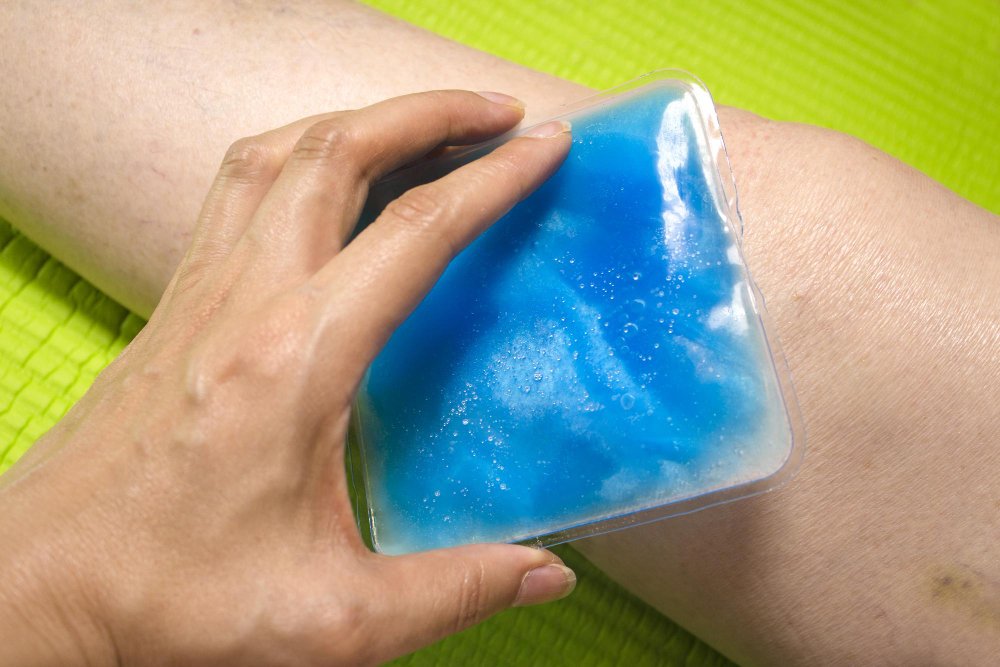
Flexible gel stays pliable at freezer temperatures, so it wraps around a knee, ankle, wrist or shoulder instead of sitting on top of it. Wraps with straps, like the CRYOPAK™ Ice Pack Wrap, hold the pack in place so the patient can rest without holding it.
5. Recovery that continues at home
Most recovery happens after the patient leaves the hospital. Reusable cold packs are inexpensive, simple and live in the home freezer, which makes it far more likely that patients stick to the icing routine their care team recommends.
6. Reusable and cost-effective for clinics
Clinics, physical therapy practices and sports medicine teams go through a lot of cold packs. Durable, leakproof, reusable gel products lower the cost per treatment and cut waste compared with single-use instant packs. Read more on how gel packs improve patient care in clinics and hospitals.
Types of cooling products used in medical recovery
Cooling technology for medical recovery comes in several forms, and each suits a different situation. Here is how the main options compare.
| Product type | Best for | How it is used | Example |
|---|---|---|---|
| Flexible gel cold compress | Wrist, elbow, ankle, face and other small to medium areas | Freeze, wrap in a thin cloth, apply for 10 to 20 minutes | THERAPRO™ Cold Flexible Compress |
| Ice pack wrap with strap | Knees, shoulders and hands-free use while resting | Freeze, then secure around the joint with the strap | CRYOPAK™ Ice Pack Wrap |
| Hot and cold therapy blanket | Larger areas such as the back, hips and thighs | Freeze for cold therapy early on, or heat later in recovery for stiffness | THERAPRO™ Hot Cold Therapy Blanket |
| Reusable hot and cold compress | Moving from cold in the early phase to heat in later rehab | Freeze or warm as directed | THERAPRO™ Hot and Cold Reusable Compress |
| Instant cold pack | First aid when no freezer is available | Squeeze to activate, single use | First aid kits and sports sidelines |
| Cold compression machine | Care after major joint surgery, in hospital or rented for home | Circulates chilled water through a cuff with light compression | Usually arranged by the surgical team |
You can see the full range in our hot and cold therapy collection.
What the research says about cold therapy after surgery
Cold therapy is widely recommended for acute injuries, and the evidence for short-term relief of pain and swelling is solid. After major surgery the picture is more mixed, and it is worth being clear about that.
- A systematic review of 11 studies covering 793 knee replacements found small early benefits in blood loss and knee range of motion at discharge, but no lasting benefit once patients had gone home.
- A 2022 meta-analysis of 7 randomized trials with 519 patients compared continuous cryotherapy machines with traditional cold packs after knee replacement. It found no significant difference in pain, painkiller use, range of motion, swelling or blood loss, and the authors concluded the machines were not cost-effective.
For anyone choosing cooling technology for medical recovery, the practical lesson is that “advanced” does not have to mean expensive. A well-designed gel pack, applied correctly and consistently, delivers most of what cold therapy can offer. The bigger factor is whether the patient actually uses it as directed.
How to use cooling technology for medical recovery safely
Cold is safe when it is used with a little care. These steps follow guidance from Cleveland Clinic sports medicine physicians and standard rehab practice:
- Follow your care team first. Surgeons and physical therapists often give a specific icing schedule after a procedure.
- Always use a barrier. Put a thin cloth, towel or cover between the frozen pack and your skin.
- Keep sessions to 10 to 20 minutes. Small areas such as fingers need less time.
- Wait 1 to 2 hours between sessions so the skin can return to its normal temperature.
- Check your skin. Stop if it turns very red or pale, or if you feel burning, prickling or numbness.
- Never sleep with a cold pack on.
- Keep dressings dry. Do not place a cold pack on an open wound or fresh incision unless your surgeon has approved it.
People with Raynaud’s, nerve damage or neuropathy, poor circulation or reduced skin sensation, along with young children and older adults, should check with a doctor before using cold therapy.
Where cooling technology fits in the recovery journey
In hospitals and surgical units
After orthopedic surgery, cooling helps manage pain and swelling in the first hours and days. Reliable, reusable products cut waste and keep supply costs predictable, which is why healthcare facilities depend on reliable cooling products.
In physical therapy and rehabilitation
Therapists often use cold after exercise sessions to calm flare-ups and help patients tolerate the next session. See how cold therapy is used in physical rehabilitation for timing and technique.
At home
Home is where patients spend most of their recovery. Reusable packs and wraps make it simple to repeat sessions several times a day without buying bags of ice. For a wider look at routines, read our guide to cold therapy for recovery.
How to choose the right cooling product for recovery
- Fit: pick a shape and size that covers the injured area. Wraps suit knees and shoulders, small compresses suit wrists and ankles, and blankets suit the back.
- Flexibility when frozen: the pack should bend around the body straight out of the freezer.
- Leakproof, durable film: this matters for repeated daily use and for wiping clean in shared clinic settings.
- Hands-free options: a strap or wrap lets the patient rest while the pack stays in place.
- Hot and cold use: a pack that can also be warmed is useful later in rehab, when heat helps with stiffness.
If you run a clinic, practice or sports team and need cold therapy products in volume, contact the Axizz team about bulk options.
Frequently asked questions
What is cooling technology for medical recovery?
It is the group of products used to apply controlled cold to the body after an injury, surgery or flare-up. Examples include reusable gel cold packs, ice pack wraps, cooling blankets, instant cold packs and cold compression machines. They reduce swelling and pain during the early stage of healing.
How long should I use a cold pack after surgery?
Most guidance recommends 10 to 20 minutes per session with 1 to 2 hours between sessions, mainly during the first 48 to 72 hours. Your surgeon or physical therapist may give you a different schedule, and theirs should come first.
Are gel ice packs better than ice for recovery?
For most people, yes. Gel packs stay flexible when frozen, fit around joints, release cold more evenly and do not drip water onto dressings. Both still need a cloth barrier to protect the skin.
Is a cold therapy machine better than an ice pack?
Not necessarily. A 2022 meta-analysis of 519 knee replacement patients found no significant difference in pain, swelling or range of motion between continuous cryotherapy machines and traditional cold packs. Machines can be convenient, but a good gel pack used consistently works well for most patients.
Can I put a frozen gel pack directly on my skin?
No. Frozen gel can be colder than 0°C (32°F) and can cause frostbite or nerve irritation. Always wrap it in a thin cloth or use a cover, and check your skin during each session.
Who should avoid cold therapy?
People with Raynaud’s, cold sensitivity, nerve damage, poor circulation or reduced skin sensation should speak to a doctor first. Cold should not go on open wounds or fresh incisions without approval from the care team.
When should I switch from cold to heat?
Cold is best in the first few days while swelling is active. Once swelling settles, usually after 48 to 72 hours, gentle heat can help with stiffness and muscle tightness. After surgery, ask your care team before switching.
Final thoughts
Cooling technology for medical recovery has come a long way from a bag of melting ice. Flexible gel packs, wraps and therapy blankets give patients steady, well-fitted cold that eases pain and swelling, and they make the icing plan easier to follow at home. Used safely and alongside advice from a care team, they are one of the simplest tools for a more comfortable recovery.
This article is for general information only and is not medical advice. Always follow the guidance of your doctor, surgeon or physical therapist.