
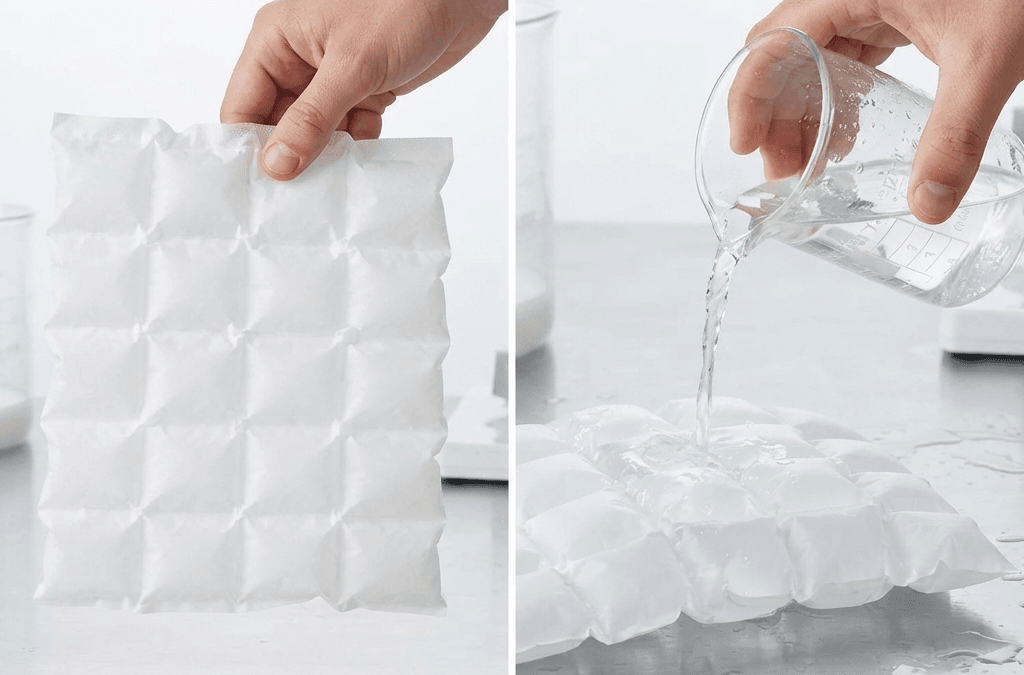
Gel-based cooling technology uses a water-based gel sealed inside a flexible pouch to hold cold longer, mold to the body, and stay reusable for hundreds of cycles. Compared with loose ice, a gel pack delivers steadier cold, no melt water, and a better fit around joints. That is why gel packs are now the default choice in sports medicine, physical therapy, post-surgical care, and home first aid.
Cold therapy itself is nothing new. People have used ice for injuries for generations. What changed is the delivery system. In this guide, we explain how gel-based cooling technology works, where it beats traditional ice, how to use it safely, and what to look for when you buy a gel pack for personal or professional use.
What Is Gel-Based Cooling Technology?
Gel-based cooling technology is a cold therapy method that stores cold energy in a thickened, non-toxic gel instead of plain frozen water. The gel is usually water mixed with a polymer thickener (often a superabsorbent polymer or cellulose-based compound) and sometimes a small amount of an additive that lowers the freezing point. The mix is sealed in a durable film pouch.
Once chilled in a freezer, the gel absorbs heat from whatever it touches. Because of its structure, it releases that cold gradually and stays soft enough to bend, even at freezer temperatures. At Axizz, products like TEMTRO™ Dry Gel are the raw material behind many of these packs.
How a gel pack works, step by step
- Charge: The pack goes into a freezer for 2 or more hours and the gel stores cold energy.
- Apply: The flexible pouch wraps around the knee, shoulder, ankle, or back.
- Release: The gel pulls heat from the skin at a steady rate instead of a sharp, uneven chill.
- Reuse: After use, the pack goes back in the freezer. No mess, no refilling.
Gel Packs vs Traditional Ice: Key Differences
Both ice and gel packs can cool an injury. The Cleveland Clinic notes that almost any cold source works when used correctly. The real difference is convenience, comfort, and consistency, which matter a lot when someone ices several times a day for days in a row.
| Feature | Gel Pack | Traditional Ice |
|---|---|---|
| Flexibility when frozen | Stays soft and moldable | Rigid cubes, uneven contact |
| Melt water | None, sealed pouch | Drips and leaks |
| Cold release | Gradual and steady | Fast, then uneven as it melts |
| Reusability | Hundreds of cycles | Single use |
| Hot therapy option | Many packs can be microwaved | Cold only |
| Portability | Easy to store and carry | Needs a bag and a freezer nearby |
For a deeper comparison, read our guide on why gel ice packs are better than traditional ice.
5 Benefits of Gel-Based Cooling Technology in Cold Therapy
1. Controlled, consistent cold
Loose ice starts very cold and then turns into a wet bag of water. A gel pack keeps a more even temperature during a typical 10 to 15 minute session. Steady cold is easier on the skin and makes treatment more predictable, especially when patients follow a set icing schedule.
2. Better fit on joints and curved areas
Knees, elbows, ankles, and shoulders are hard to cover with cubes. Gel-based cooling technology keeps the pouch pliable, so it hugs the area and cools more surface. Better contact means you get more out of each session.
3. Clean and mess-free
Sealed pouches do not drip. That matters in clinics, gyms, and hospital beds, and it matters at home when you are icing on the couch.
4. Reusable and cost-effective
One quality pack replaces bags of ice over many months. For clinics and teams that use cold therapy daily, reusable gel packs cut ongoing costs and waste. Our FREEZEZE™ Flexible Gel Ice Packs are built for exactly this kind of repeat use.
5. Hot and cold in one product
Many gel formulas also hold heat. That lets one pack handle cold therapy in the first days after an injury and gentle heat later for stiffness. Products like REACTRO™ Reusable Hot Gel Packs are designed with heat in mind.
Who Uses Gel-Based Cooling Technology?
- Athletes and trainers: Post-workout icing to manage soreness and minor strains. See how cold therapy supports faster recovery after physical activity.
- Physical therapists: Consistent, reusable cold for rehab sessions.
- Hospitals and surgical centers: Post-operative swelling control where clean, leak-free packs are essential.
- Families at home: Bumps, sprains, headaches, and toothaches.
- Logistics and cold chain: The same gel science keeps food, vaccines, and lab samples cold in transit. Learn how gel ice packs enhance cold chain reliability.
How to Use a Gel Pack Safely
Gel packs are safe for most people when used the right way. Follow these guidelines, based on Cleveland Clinic advice on icing injuries:
- Apply for 10 to 15 minutes, and never more than 20 minutes at a time.
- Wait at least 1 to 2 hours between sessions.
- Always place a thin cloth or cover between the pack and your skin.
- Stop if the skin turns very red or pale, or feels prickly or numb.
- Do not apply over open wounds, blisters, or burns.
- Use shorter sessions for children, older adults, and people with circulation or nerve conditions.
Cold therapy helps with pain and swelling, but it does not replace medical care. See a doctor for severe pain, suspected fractures, or an injury that does not improve.
How to Choose the Right Gel Pack
- Size and shape: Match the pack to the body area. Long wraps for knees and backs, small pads for wrists and faces.
- Flexibility: Look for gel that stays soft straight out of the freezer.
- Film strength: Thick, puncture-resistant film and strong seals prevent leaks.
- Safe contents: Choose non-toxic gel in case a pack ever breaks.
- Hot and cold use: Check the label if you want a microwave-safe option.
- Straps or covers: Hands-free wraps make it easier to stick to a routine.
The Future of Gel-Based Cooling Technology
Gel-based cooling technology keeps improving. Manufacturers are working on gels that hold target temperatures longer, films made with recycled or lower-impact materials, and packs designed for specific uses like dental recovery, equine therapy, and wearable cooling. You can read more about these trends in our post on innovations driving the future of cooling products.
Key Takeaways
- Gel-based cooling technology stores cold in a flexible gel that releases it gradually.
- Gel packs fit joints better, do not leak, and can be reused for months.
- Safe use means 10 to 15 minutes per session with a cloth barrier.
- The same technology serves athletes, clinics, homes, and cold chain shipping.
Frequently Asked Questions
What is gel-based cooling technology?
Gel-based cooling technology is a cold therapy method that stores cold in a non-toxic, water-based gel sealed inside a flexible pouch. The gel releases cold gradually and stays pliable when frozen, so it fits the body better than ice.
Are gel packs better than ice for injuries?
Both can reduce pain and swelling when used for 10 to 15 minutes with a cloth barrier. Gel packs are more convenient because they mold to joints, do not leak, and can be reused many times.
How long should you leave a gel ice pack on?
Most experts recommend 10 to 15 minutes per session and no more than 20 minutes. Wait at least 1 to 2 hours before icing the same area again.
Can gel packs be used for hot therapy too?
Many gel packs are made for both hot and cold use and can be warmed in a microwave or hot water. Always check the product label before heating a pack.
How long does a reusable gel pack last?
A well-made gel pack can last for hundreds of freeze and thaw cycles. Replace it if the film cracks, the seams leak, or the gel changes texture.
Is the gel inside ice packs toxic?
Most modern gel packs use non-toxic ingredients, but the gel is not meant to be eaten. Keep packs away from children and pets, and discard any pack that leaks.