

Cooling products for emergency medical response are the cold packs, reusable gel ice packs, cooling wraps and insulated carriers that first responders use to control acute injuries, cool patients with heat illness, and keep medicines and biological samples inside a safe temperature range. On scene there is no fridge and no ice machine, so the cooling has to travel with the crew and work the moment it is needed.
This guide covers what these products do on a call, the temperature targets emergency teams work to, how gel ice packs compare with instant cold packs and loose ice, and what belongs in a response vehicle cooling kit.
Key takeaways
- Cooling in emergency care does two separate jobs: treating the patient, and protecting the supplies used to treat the patient.
- Refrigerated vaccines and many medications must stay between 2°C and 8°C (36°F to 46°F) from the moment they leave storage.
- Cold on a fresh injury goes on for up to 20 minutes at a time, every 2 to 3 hours, always with a cloth between the pack and bare skin.
- Reusable gel ice packs stay flexible when frozen, so they wrap around a joint or line a transport cooler better than block ice.
- A good response kit carries instant cold packs for speed and reusable gel ice packs for repeat use across a long shift.
What counts as a cooling product in emergency care?
The range of cooling products for emergency medical response is wider than a single ice pack. Most ambulance services, event medical teams and industrial first aid crews carry a mix of these:
- Instant cold packs. Single-use chemical packs that turn cold when you squeeze them. No freezer needed, which makes them the fastest option on scene.
- Reusable gel ice packs. Frozen gel in a sealed pouch. They stay pliable at low temperature and can be refrozen and used again many times.
- Cold compresses and wraps. Gel compresses with a strap or sleeve that hold cold on a knee, ankle or shoulder while the patient is moved.
- Cooling towels, vests and bandanas. Evaporative or gel-lined fabric worn on the neck, head or torso to bring body temperature down during heat stress.
- Insulated medical coolers and shippers. Rigid or soft carriers that hold medications, vaccines and samples at a set temperature, packed with gel refrigerants or phase change material (PCM) packs.
4 jobs cooling products do on an emergency call
1. Controlling swelling and pain after an acute injury
Sprains, strains, bruises and other soft tissue injuries are the most common calls where cold goes on. Lowering tissue temperature narrows local blood vessels, which slows bleeding into the tissue, limits swelling and dulls pain. The sooner it is applied after the injury, the more it helps, which is why portable packs sit in almost every trauma bag.
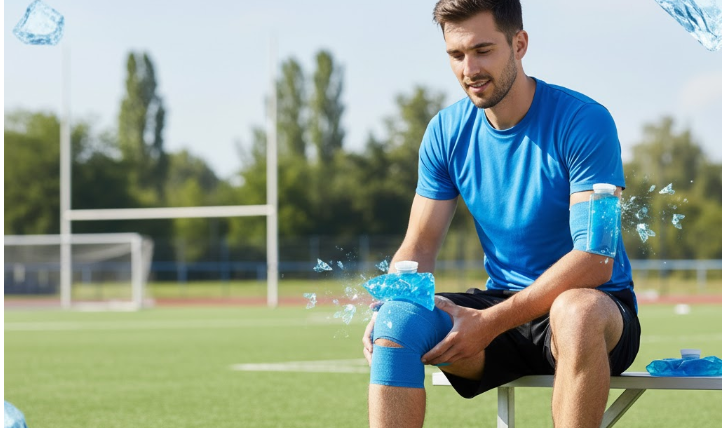
A flexible cold compress with a strap is easier to manage than a loose pack when the crew needs both hands free. For a wider look at how cold works on the body day to day, see our guide on how cold therapy products support everyday wellness.
2. Cooling patients with heat exhaustion or heat stroke
Heat stroke is a time-critical emergency and the priority is getting core temperature down fast. The CDC’s first aid guidance for heat-related illness puts a cold water or ice bath first where one is available. Where it is not, crews wet the skin, lay cold wet cloths or ice on the head, neck, armpits and groin, and keep air moving over the patient.
Outdoor events, building sites and warehouse floors produce a large share of these calls, so prevention matters as much as treatment. OSHA publishes employer guidance on heat illness prevention, and wearable gear such as a cooling vest or cooling collar bandana helps keep both workers and responders out of the danger zone. We cover the workplace side in why cooling products are essential for summer workplace safety.
3. Protecting vaccines, medications and samples
Many drugs carried on an ambulance lose potency if they get warm, and vaccines are stricter still. Freezing can ruin them just as badly as heat. The CDC sets out the rules in its vaccine storage and handling guidance, and the same thinking applies to any temperature-sensitive item moved outside a fixed fridge. Blood samples, biologics and some analgesics all need a controlled container, not a cool bag and hope.
For more on how hospitals and clinics manage this, read why temperature-control solutions matter in healthcare and why healthcare facilities depend on reliable cooling products.
4. Holding the cold chain in disasters and remote operations
After a storm, flood or grid failure, mains power is the first thing to go. Field clinics, mobile vaccination units and remote medical teams then depend entirely on passive cooling that holds temperature for hours without electricity: insulated boxes, PCM packs for anything that must stay at 2°C to 8°C, and frozen gel ice pack refrigerants for items that need to stay colder, such as spare cold therapy packs and some lab samples. The same setup serves marathons, festivals and industrial sites where the medical tent runs off a vehicle and nothing else.
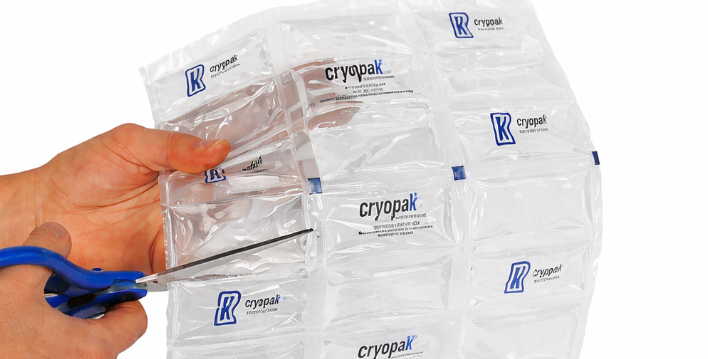
A flexible ice blanket is useful here because it can be cut to fit any box and wraps around irregular loads. Our article on reducing product waste in cold chain logistics goes deeper on packing methods.
Temperature targets emergency teams work to
| What is being cooled | Typical target | Why it matters |
|---|---|---|
| Refrigerated vaccines and medications | 2°C to 8°C (36°F to 46°F) | Standard cold chain range. Freezing can damage the product as badly as heat. |
| Red blood cell units | Stored at 1°C to 6°C, transported at 1°C to 10°C | Keeps cells viable between the blood bank and the patient. |
| Platelets | 20°C to 24°C | A reminder that not everything should be chilled. Cold shortens platelet life. |
| Cold therapy on an acute injury | Up to 20 minutes, every 2 to 3 hours | Long enough to reduce swelling, short enough to avoid a cold burn. |
| Suspected heat stroke patient | Lower core temperature as fast as protocol allows | Every minute at a dangerous body temperature raises the risk of organ damage. |
Always follow your local clinical protocol and the manufacturer instructions for the specific product.
Gel ice packs vs instant cold packs vs loose ice
| Factor | Reusable gel ice pack | Instant cold pack | Loose or block ice |
|---|---|---|---|
| Ready to use | Needs a freezer first | Immediately, squeeze and go | Needs a freezer or ice source |
| Fits the body | Stays flexible, wraps a joint | Soft, molds well | Rigid and awkward |
| Cold duration | Holds cold well, no meltwater | Short, often 15 to 20 minutes | Good, but melts and leaks |
| Cost per use | Lowest over time | Highest, single use | Low but messy |
| Best role | Transport coolers and repeat treatment | First response bag | Backup only |
Most services carry both of the first two. A deeper comparison is in why gel ice packs are better than traditional ice.
How to apply cold therapy safely on scene
- Check the skin first. Do not apply cold over broken skin, an open wound, or an area with poor circulation or reduced feeling.
- Put a barrier in place. A thin towel or cloth between the pack and the skin prevents cold burns.
- Apply for up to 20 minutes, then remove. The NHS advice for sprains and strains is up to 20 minutes every 2 to 3 hours.
- Watch the skin color. Deep red, white or waxy patches mean the pack comes off straight away.
- Elevate and support the limb while the cold is on. It adds to the effect on swelling.
These are general first aid principles, not a substitute for clinical judgment or local protocol.
Building a cooling kit for a response vehicle
- Instant cold packs at the front of the trauma bag, where they can be reached in seconds.
- Reusable gel ice packs in two sizes: small flexible gel ice packs for joints and larger packs for the torso and transport coolers.
- Cooling towels, vests or bandanas for heat calls and for the crew itself on hot shifts.
- One insulated medical cooler with a thermometer, used only for medications and samples.
- Conditioned PCM packs if the vehicle carries anything that must stay at 2°C to 8°C without freezing.
- A restock rule: packs used on a shift get replaced or refrozen before the vehicle goes out again.
Common mistakes to avoid
- Frozen packs touching vaccine vials. A pack straight from the freezer can drop vials below 0°C. The CDC’s vaccine transport guidance says not to pack refrigerated vaccines with frozen gel packs and to use PCMs conditioned to 4°C to 5°C or conditioned water bottles instead.
- No thermometer in the cooler. Without a reading, nobody knows if the medicines are still usable at the end of a long call.
- Leaving a pack on too long. More cold is not better. Continuous icing past 20 minutes risks skin and nerve damage.
- Treating heat stroke with two small packs. A couple of packs will not cool a patient fast enough. Use every method available and do not delay transport.
- Forgetting freeze time. Reusable packs need several hours in a freezer. Keep a second set cold so the vehicle is never short.
Frequently asked questions
Why are cooling products important in emergency medical response?
Cooling products for emergency medical response let crews treat injuries and heat illness on scene and keep temperature-sensitive medicines and samples usable when there is no fridge or power. Without them, swelling goes unchecked, heat stroke patients stay hot for longer, and expensive vaccines and drugs can be wasted.
What cooling products do paramedics carry?
Typically instant cold packs for immediate injury treatment, reusable gel ice packs for longer or repeat use, cooling towels or wraps for heat emergencies, and an insulated cooler for temperature-sensitive medications and samples.
How long should a cold pack stay on an injury?
Up to 20 minutes at a time, with a cloth barrier against the skin, then a break of 2 to 3 hours before reapplying. Leaving a pack on continuously risks skin and nerve damage.
Can gel ice packs keep vaccines at the right temperature?
Not on their own. The CDC says frozen gel packs should not be used to pack refrigerated vaccines because they can freeze them. For the 2°C to 8°C range, use phase change material packs conditioned to 4°C to 5°C or conditioned water bottles, with a thermometer in the container.
Are instant cold packs reusable?
No. The chemical reaction that makes them cold happens once, so they are thrown away after use. Reusable gel ice packs cover the repeat-use role.
What is the difference between a cold pack and a cooling wrap?
A cold pack delivers strong cold to one spot for a short time. A cooling wrap or towel spreads milder cooling over a larger area for longer, which suits heat stress and comfort rather than a fresh injury.
How cold is too cold for direct skin contact?
Anything at or below freezing should never touch bare skin. Frozen gel packs sit well below 0°C, so a barrier is needed every time and the skin should be checked every few minutes.
Choosing cooling products for emergency medical response
Cooling products for emergency medical response are simple equipment doing two demanding jobs at once: treating the patient in front of the crew, and protecting the medicines that will treat the next one. A kit that mixes instant cold packs, reusable gel ice packs, cooling wraps and a properly insulated cooler covers both, whether the call is a sprained ankle on a job site or a vaccination run after a storm.
Axizz supplies reusable gel ice packs, cold compresses, cooling vests and cold chain refrigerants for medical teams, event organizers and businesses. If you are putting together a kit and want to know which products fit your needs, get in touch with our team.