
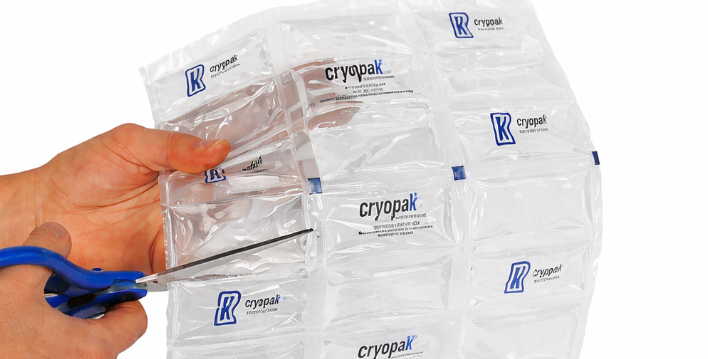
Temperature-control solutions in healthcare are the refrigeration, insulated packaging, and monitoring systems that keep medical products inside a defined temperature range from manufacturing to the point of care. They matter because most vaccines, biologics, blood products, and diagnostic samples lose their effectiveness permanently once they drift outside that range, and the damage is usually invisible.
That risk is not theoretical. The World Health Organization has long identified cold chain failures in storage and transport as a leading cause of vaccine wastage worldwide. For hospitals, pharmacies, laboratories, and distributors, temperature control is not a logistics detail. It is a patient safety requirement with a regulatory record attached to it.

Key Takeaways
- Most refrigerated vaccines must stay between 2°C and 8°C, and a single excursion can destroy potency without any visible change.
- Temperature-control solutions cover four areas: storage, transport, in-facility handling, and direct patient cold therapy.
- Gel ice packs and validated insulated shippers commonly protect a 2°C to 8°C payload for 24 to 72 hours.
- Continuous monitoring and documented excursion procedures are required for compliance, not optional extras.
- The real cost of a failure is product loss plus rescheduled care, regulatory exposure, and reduced patient trust.
What Counts as Temperature-Control Solutions in Healthcare?
The term covers far more than a refrigerator. In practice, a healthcare facility relies on a layered system where each element protects the next.
The four main categories
- Fixed storage: pharmaceutical grade refrigerators, freezers, ultra-low temperature units, and walk-in cold rooms with calibrated alarms.
- Transport packaging: insulated shippers, vacuum insulated panels, phase change materials, and reusable gel ice packs that hold a stable temperature far longer than wet ice.
- Monitoring: data loggers, continuous digital thermometers, and alert systems that create the audit trail regulators expect.
- Clinical cold therapy: flexible compresses and cold packs applied directly to patients for pain, swelling, and post-surgical recovery.
Temperature-control solutions are only as strong as their weakest layer. Each category fails differently, so most serious incidents trace back to the weakest layer rather than the most expensive one. A hospital can own excellent refrigeration and still lose a shipment because the last mile used an unqualified box.
Why Temperature Control Matters in Healthcare
1. It protects the potency of medications and vaccines
Temperature-control solutions exist mainly to prevent this failure. Vaccines and biologics are built from proteins and other fragile molecules. Heat denatures them and freezing can rupture them, and neither change reverses when the product returns to the correct range. The vial still looks normal, which is exactly what makes the problem dangerous: an ineffective dose is administered with full confidence.
2. It preserves diagnostic accuracy
Blood, tissue, and microbiology samples degrade quickly at the wrong temperature. A specimen that warms during transport can produce a false result, a repeat draw, or a delayed diagnosis. Reliable cooling in healthcare logistics is what keeps laboratory results defensible.
3. It supports emergency and pre-hospital care
Ambulances and mobile units carry medications in conditions that swing from freezing to extreme heat within a single shift. Portable cooling keeps those drugs usable, which is why cooling products for emergency medical services are treated as core equipment rather than accessories.
4. It is part of treatment itself
Cold therapy remains a standard clinical tool for reducing inflammation, controlling swelling, and managing pain after injury or surgery. Consistent, controlled cooling is what makes it work, and this is where cold therapy for recovery connects directly to patient outcomes rather than to inventory.
Temperature Ranges Healthcare Products Actually Require
Temperature-control solutions have to be matched to the payload they protect. Requirements vary by product, and this is where most avoidable errors happen. The table below summarizes the ranges healthcare teams handle most often. Always confirm against the manufacturer insert, since individual products differ.
| Product type | Required temperature range | Main risk if the range is breached |
|---|---|---|
| Refrigerated vaccines | 2°C to 8°C (36°F to 46°F) | Permanent, invisible potency loss |
| Frozen vaccines (e.g. varicella) | -50°C to -15°C | Loss of viability, full batch discarded |
| Ultra-cold mRNA vaccines | -90°C to -60°C | Rapid degradation of the mRNA payload |
| Red blood cells | 1°C to 6°C | Hemolysis and unusable units |
| Platelets | 20°C to 24°C with agitation | Bacterial growth and loss of function |
| Insulin in use | Room temperature, limited days | Reduced glycemic control for the patient |
| Laboratory and diagnostic samples | 2°C to 8°C, usually on gel packs | Inaccurate or rejected test results |
| Cold therapy gel packs | -18°C to 0°C before application | Insufficient cooling, weaker pain relief |
Where Temperature-Control Solutions Are Used Across a Health System
- Hospital pharmacies storing vaccines, insulin, and compounded preparations.
- Clinical laboratories moving specimens between collection points and testing sites.
- Pharmaceutical distribution, where cooling products in pharmaceutical distribution protect high value inventory across long routes.
- Blood banks and transfusion services with separate regimes for red cells, plasma, and platelets.
- Home health and mail order pharmacy, where the patient receives an insulated shipper with no cold chain training.
- Physical therapy and rehabilitation, using cold packs as part of an ongoing treatment plan.
Compliance: What Regulators Expect
Temperature-control solutions in healthcare have to be documented, not assumed. Facilities are generally expected to maintain calibrated monitoring on every storage unit, log readings on a defined schedule, keep records available for inspection, and follow a written procedure whenever a reading falls outside range.
Guidance from the CDC vaccine storage and handling program and the World Health Organization immunization supply chain sets the baseline most national systems build on. The practical requirement is simple to state and harder to sustain: if the temperature was not recorded, it cannot be proven, and unproven product is treated as compromised product.
What a Temperature Excursion Actually Costs
When temperature-control solutions fail, the discarded inventory is only the visible part of the loss. A single excursion typically triggers quarantine and investigation time, replacement stock and expedited shipping, rescheduled patient appointments, possible revaccination, and a reportable record that follows the facility into its next audit.
This is why prevention is consistently cheaper than recovery, and why temperature-controlled shipping is now standard practice rather than a premium upgrade.
How to Choose the Right Temperature-Control Solutions
Use this checklist when selecting temperature-control solutions for a healthcare application:
- Define the range and the duration the temperature-control solutions must hold, including worst case transit time and ambient conditions.
- Match the coolant to the payload. Gel packs suit 2°C to 8°C work; dry ice or phase change materials are needed for frozen and ultra-cold ranges.
- Prevent accidental freezing. Direct contact between a frozen pack and a refrigerated vaccine is a common and costly mistake, so use a barrier layer.
- Qualify the full combination of box, coolant, and payload through testing rather than trusting a single component specification.
- Include monitoring in every shipment that leaves controlled storage.
- Weigh reusable against single use. Reusable gel packs usually reduce cost per shipment and waste volume, which is one reason gel ice packs outperform traditional ice in clinical settings.
- Train the people handling it. Most failures are procedural, not mechanical.
Frequently Asked Questions
What are temperature-control solutions in healthcare?
Temperature-control solutions are the refrigeration units, freezers, insulated shippers, gel ice packs, phase change materials, and monitoring devices that keep medical products inside a validated temperature range during storage, handling, and transport. In healthcare they also include cold therapy products used directly on patients.
Why is temperature control so important for vaccines and medications?
Most vaccines and biologics are protein based. Once heat or freezing damages that structure, the damage is permanent and invisible. The product looks normal but delivers reduced or zero protection, so the only safe response to a confirmed excursion is to quarantine and discard the affected stock.
What temperature do most vaccines need to be stored at?
Most refrigerated vaccines require 2°C to 8°C (36°F to 46°F). Frozen vaccines typically need -50°C to -15°C, and ultra-cold mRNA products need -90°C to -60°C. Always follow the manufacturer insert, because ranges differ by product.
How long do gel ice packs keep medical shipments cold?
A properly conditioned gel pack combined with a validated insulated shipper commonly holds a 2°C to 8°C range for 24 to 72 hours, depending on pack mass, insulation quality, payload size, and ambient temperature. The combination must be qualified by testing, not assumed.
What happens if a healthcare cold chain fails?
The facility must quarantine the affected product, record the excursion, contact the manufacturer or a pharmacist for a stability assessment, and document the corrective action. Failures create direct financial loss, regulatory exposure, and the risk that a patient receives an ineffective treatment.
Are reusable gel ice packs suitable for medical use?
Yes. Reusable gel packs are widely used for specimen transport, pharmacy deliveries, and clinical cold therapy because they hold a stable temperature longer than wet ice, do not leak water onto packaging, and lower long term cost per shipment.
The Bottom Line
Temperature-control solutions in healthcare protect two things at once: the product and the patient depending on it. Vaccines, biologics, blood components, and diagnostic samples all sit inside narrow ranges where a few hours of drift can undo everything upstream of them. Well chosen temperature-control solutions, validated packaging, quality gel packs, and continuous monitoring are what keep that chain intact.
Axizz supplies temperature-control solutions for healthcare and industry, including gel ice packs, cold therapy compresses, and cooling products built for medical, laboratory, and commercial use. Contact our team to discuss requirements, or browse the full cooling product range.