
Muscle recovery for active lifestyles is just as important as the workout itself. Recovery is when your body repairs tissue, rebuilds strength, and prepares for the next session, so giving it attention protects both your performance and your long-term health.
Key Takeaways
- Recovery repairs muscle tissue and restores strength and flexibility.
- Skipping recovery raises the risk of soreness, fatigue, and injury.
- Cold and heat therapy with reusable gel packs offer simple, natural comfort.
- Sleep, hydration, nutrition, and rest days matter just as much.
Understanding Muscle Fatigue
During exercise, sports, and physically demanding work, muscles take on small amounts of tissue strain. That often leads to soreness, stiffness, and fatigue afterward. Without proper recovery, muscles can stay tense and inflamed, which increases injury risk and reduces performance.
Why Muscle Recovery for Active Lifestyles Matters
- Fewer injuries: rested muscles are more resilient.
- Better performance: recovered muscles deliver more strength and endurance.
- Less soreness: you feel ready sooner for the next workout.
- Long-term fitness: consistent recovery keeps you active for years.
Cold Therapy for Muscle Recovery
Cold therapy helps reduce swelling, inflammation, and soreness after hard exercise or strain. Reusable gel packs are a convenient way to apply controlled cold. Read our guide to reusable gel ice packs for therapy and recovery, learn how cold therapy helps speed up recovery, or see how ice blankets for recovery cover larger areas. For general guidance on strains and sprains, see the NHS advice.
Heat Therapy for Tight Muscles
Heat relaxes stiff, tense muscles and improves comfort once the initial swelling has settled. Many athletes alternate between cold and heat. Learn more in heat therapy for stress and fatigue and reusable therapy products for wellness.
Simple Muscle Recovery Habits
- Cool down and stretch after exercise.
- Drink enough water and eat balanced meals with protein.
- Sleep 7 to 9 hours where possible.
- Schedule rest days and vary your training.
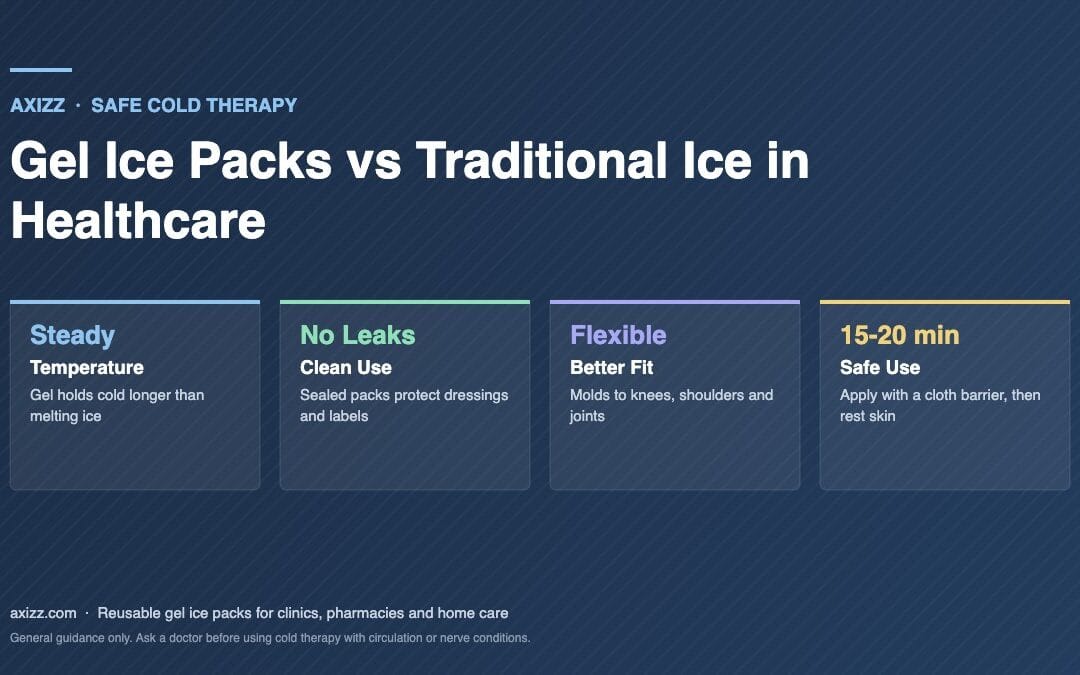
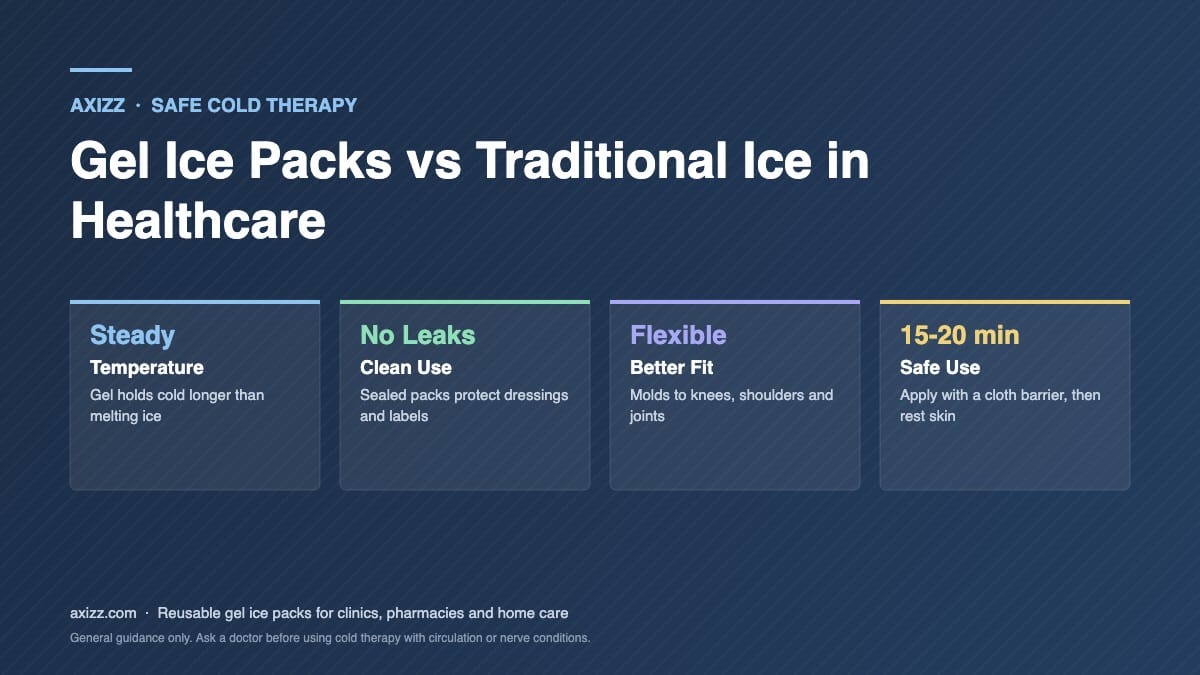
- Use cold or heat packs for 15 to 20 minutes with a cloth barrier.
This article is general information, not medical advice. Speak with a healthcare professional about persistent pain or injury.
Conclusion
Muscle recovery for active lifestyles keeps you stronger, safer, and more consistent. Browse our therapy and cooling products or contact our team to find the right recovery tools.
Frequently Asked Questions
Why is muscle recovery important for active lifestyles?
Recovery lets muscles repair, rebuild strength, and restore flexibility. Skipping it can lead to soreness, fatigue, poorer performance, and a higher risk of injury.
How does cold therapy help muscle recovery?
Cold therapy can help reduce swelling, inflammation, and soreness after exercise or strain, which helps muscles feel better sooner.
When should I use heat instead of cold for sore muscles?
Cold is often used for fresh strain and swelling. Heat is often used for stiff, tight muscles. Ask a doctor or physiotherapist what suits your situation.
How long should I use a gel pack after a workout?
A common guideline is about 15 to 20 minutes at a time with a cloth between the pack and your skin.
What else supports muscle recovery?
Sleep, hydration, balanced nutrition, stretching, and rest days all play a big role alongside cold and heat therapy.