
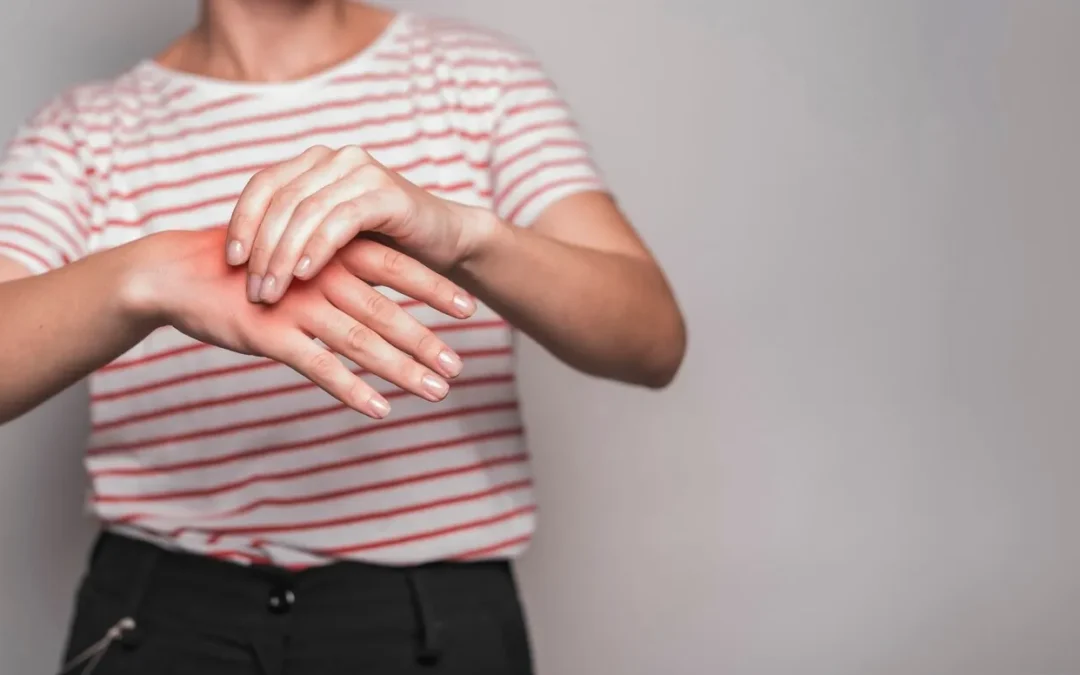
Knee joint swelling can limit movement and make everyday tasks uncomfortable.

Knee Joint Swelling and Inflammation Causes.
Injury, including sprain, strain, tendinitis, and torn cartilage, is the most common cause of knee swelling and inflammation. A sprain is a stretched or torn ligament that occurs because of a twisting or forceful impact on the knee. Strain also is the same thing and is usually caused by sudden twisting of the knee joint. Sometimes knee joint swelling is caused by inflammation of a tendon, and the condition is termed tendinitis. It is often a result of the overuse of the knee joint from activities, including cycling, jumping, and running.Prepatellar bursitis is a medical term used for defining the swelling of the kneecap’s bursae (fluid-filled sacs that prevent friction within a joint). They become inflamed because of excessive pressure, injury and infection and start producing excess fluid that leads to swelling of the joint. This condition results in rapid swelling of the knee front, pain while doing activities, and redness and warmth around the knee. Osteoarthritis and rheumatoid arthritis are also common causes of knee joint swelling and inflammation. Besides visible swelling, these conditions result in joint pain and stiffness, weakness of the muscles surrounding the knee joint, clicking or cracking sounds, limited range of motion, and development of bone spurs.Ways to Reduce Knee Joint Swelling and Inflammation.
As mentioned above, it is always good to seek immediate medical help if the inflammation and swelling in the knee joint persist. On the other hand, you can try out these effective following ways to reduce or get rid of mild or moderate knee joint pain and swelling at home.1. Resting
Allowing the affected knee joint to rest is one of the finest home remedies that you can do. Strictly avoid any weight-bearing activities and any activities that cause an increase in joint swelling and inflammation for at least the first 24 hours. In so doing, you would give the knee’s joint a chance to rest and regenerate. However, do not leave the inflamed or swollen joint in an immobile condition for exceptionally long periods, for it may further aggravate the pain. Keep working on a slight extension and rib cage stretching to revoke the joint’s ability to stay as upright as possible.2. Elevation
By giving a slight rise to your leg above chest level, imposition may provide some relief to the patient enduring knee inflammation and swelling. The lessened proportion of blood from the leg to the knee would avert the accumulation of synovial fluid that causes swelling, pain, and inflammation for the knee. Simple household cushions and pillows can be used in the meantime, but it is recommended to obtain a special leg elevation cushion to guarantee appropriate leg elevation. These leg elevation pillows are made particularly for good support of the knee joint and leg, remaining solid but comfortable at the same time.3. Compression
Compression stands as yet one more great way to reduce knee swelling and discomfort. A standard elastic bandage or medically approved knee therapy wraps are an excellent way to encase as well as compress the affected region appropriately.4. Ice
Icing the swollen knee will reduce the swelling and offer some pleasant numbing from the problem with the pain. Can be applied twice or thrice a day, but don’t go over 20 minutes for one single application. Never apply the ice pack directly on the skin. Always use a towel between your skin and the ice pack to prevent skin damage.Conclusion
Knee inflammation and swelling can be quite painful and really annoying. However, the first approaches to curing mild-moderate cases should be home remedies. Swelling and pain can be minimized by resting and elevating the leg, adding compression, and applying ice. Nevertheless, if symptoms persist or worsen, your subsequent decision might mean that it could reduce any complications. This may set the stage for fast and easy joint recovery and proper care for the ankle in the long run.Why Knee joint swelling Matter
Knee joint swelling often settles with rest, gentle movement and short cold sessions in the first days. Look for quality materials, a comfortable fit and easy care when comparing knee joint swelling.
Prepare knee joint swelling exactly as the instructions say, and try them briefly at first. Keep knee joint swelling clean and dry between uses, check for wear, and replace anything damaged so your knee joint swelling keep working as expected.
Safe Use of Knee joint swelling
Wrap the pack in a thin cloth, use it for ten to fifteen minutes and rest the skin between sessions. Never use extreme temperatures on bare skin. This is general information, not medical advice, so speak to a doctor about pain that is severe or does not improve. Follow these steps every time you use knee joint swelling.
Key Knee joint swelling Takeaways
Remember these knee joint swelling basics: choose quality, use them safely and care for them well. Good knee joint swelling habits save time and money, and the best knee joint swelling advice is to stay consistent.
Share these knee joint swelling tips with family, friends and colleagues. Smart knee joint swelling choices help everyone stay comfortable, and your knee joint swelling routine can grow as your needs change.
Related Reading
Explore more: medical gel ice packs, thermal gel ice packs and NHS knee pain guide.