
Ice packs and heat packs for sports injuries each have a place in treating strains and sprains.
Mild to less severe sports injuries can be easily treated with heat or/and ice therapies. These therapies have proved to be useful in providing relief from the pain and discomfort caused by injuries while allowing the body to heal faster.
Sports injuries are common if you are an avid sportsperson. Be it a bump, pang, bruise or sprain, a sports injury may result from a sudden jolt to the body or as a result of gradual wear. While more severe injuries may require medical attention, less severe injuries can be taken care of with the help of heat and/or ice therapies. Let’s take a closer look at how you can take care of simple sports injuries with the help of ice and heat packs.
RICE Therapy for Sports Injuries
Mild to less severe sports injuries can be easily treated with the help of the RICE therapy, with each letter in the name resonating to a particular step undertaken to recover from the injury. Accordingly, R stands for Rest, I stands for Ice therapy using Gel Ice Packs, C stands for Compression and E stands for Elevation. A combination of these methods would help individuals recover from sports injuries quickly.
Performing Ice Therapy
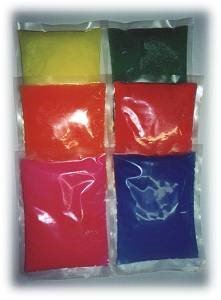
Ice therapies using gel ice packs are effective in treating a variety of sports injuries. Used in short spans, an ice treatment would span throughout the day, with each session lasting about 20 minutes. Any longer than 20 minutes at a stretch is not recommended.
When applying gel ice packs to an injured area, it is recommended that you wrap the ice pack in a soft cloth (a towel would be preferred). Direct application of ice to the skin is not recommended, as it may harm the skin. Apply the ice pack on the injured area for about a minute. Wait for 10-20 seconds and reapply the ice pack on the injured area. Follow the procedure for 20 minutes for one session. Follow up with 4-5 sessions for a day depending on the severity of the injury.
Performing Heat Therapy
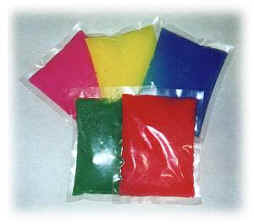
In addition to using gel ice packs to treat sports injuries, one can also use heating pads to recover from such injuries. The heat can penetrate deep into the muscles and tissues to provide ultimate comfort from the pain caused by a sports injury.
Heating products can be moist (a warm bath) or dry (heating pads). Moist heating pads are more effective in treating injuries that occur in deeper and denser tissues like quadriceps. Immersing the injured area in warm water can therefore alleviate the pain and discomfort caused by a sports injury. The correct temperature for a moist heating pad is 104 degrees Fahrenheit, as anything above that stands a chance of burning the skin.
Moist heating pads can also be useful in reducing the symptoms of conditions like arthritis and joint pains. A person suffering from arthritis, for example, can get relief from the pain and discomfort caused by the condition by submerging fully in a hot water bath for about 20 minutes every day. Individuals suffering from chronic muscle problems can also opt for a hot water bath and can get relief from the same by soaking in warm bath water for one hour every day.
Dry heating pads can be used to treat injuries closer to the surface. As in the case of moist heating pads, a dry heating pad should not exceed a temperature of 104 degrees Fahrenheit. A dry heating pad should also be wrapped in a soft cloth to avoid direct contact with skin. This, in turn, would minimize the chance of the heating pad burning the skin during application.
Why Ice packs and heat packs for sports injuries Matter
Ice packs and heat packs for sports injuries are most useful when used at the right stage of healing. Look for quality materials, a comfortable fit and easy care when comparing ice packs and heat packs for sports injuries.
Prepare ice packs and heat packs for sports injuries exactly as the instructions say, and try them briefly at first. Keep ice packs and heat packs for sports injuries clean and dry between uses, check for wear, and replace anything damaged so your ice packs and heat packs for sports injuries keep working as expected.
Safe Use of Ice packs and heat packs for sports injuries
Wrap the pack in a thin cloth, use it for ten to fifteen minutes and rest the skin between sessions. Never use extreme temperatures on bare skin. This is general information, not medical advice, so speak to a doctor about pain that is severe or does not improve. Follow these steps every time you use ice packs and heat packs for sports injuries.
Key Ice packs and heat packs for sports injuries Takeaways
Remember these ice packs and heat packs for sports injuries basics: choose quality, use them safely and care for them well. Good ice packs and heat packs for sports injuries habits save time and money, and the best ice packs and heat packs for sports injuries advice is to stay consistent.
Share these ice packs and heat packs for sports injuries tips with family, friends and colleagues. Smart ice packs and heat packs for sports injuries choices help everyone stay comfortable, and your ice packs and heat packs for sports injuries routine can grow as your needs change.
Related Reading
Explore more: thermal gel ice packs, heat gel packs and NHS sprains and strains advice.