
Cooling products for medical supplies are what stand between a working vaccine and a wasted one. Hospitals, pharmacies, diagnostic labs, home-care teams and online pharmacies all handle items that fail quietly when they get too warm or too cold, and the damage is usually invisible. This guide explains how cooling products protect temperature-sensitive medical supplies, which types to use, what temperature ranges apply, and how to pack a shipment so the cold chain holds from door to door.
Short answer: cooling products for medical supplies, such as gel ice packs, phase change material packs, insulated shippers and validated cooler boxes, absorb heat and slow temperature change so vaccines, insulin, biologics and laboratory specimens stay inside their approved range during storage and transport.
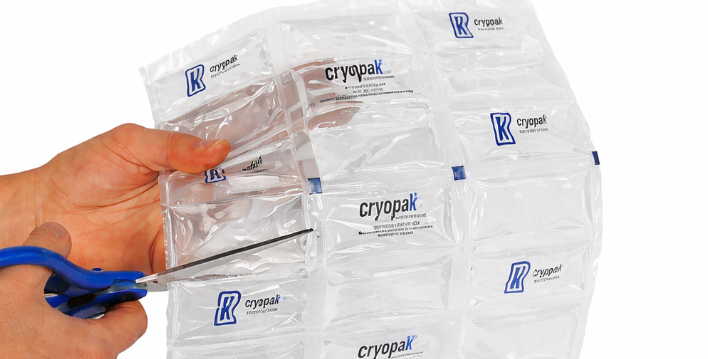
What Are Cooling Products for Medical Supplies?
Cooling products for medical supplies are passive or active temperature-control items used to hold medicines, vaccines, biologics and specimens inside a validated range while they are stored or moved. Passive options include gel ice packs, phase change material (PCM) packs, dry ice, insulated liners and foam shippers. Active options include powered medical refrigerators, portable compressor coolers and refrigerated vehicles.
Most cooling products for medical supplies used in day-to-day work are passive, because they need no power, no charging and no driver intervention. A correctly built passive box can hold 2 to 8 degrees Celsius for 24 to 96 hours, which covers the majority of domestic clinic, lab and pharmacy deliveries.
Why Temperature Control Matters in Healthcare
Temperature-sensitive medical products are biologically active. Heat, freezing and repeated swings break down proteins and adjuvants, and once potency is lost it cannot be restored by cooling the product back down. The World Health Organization has estimated that a large share of vaccines are wasted globally every year, with cold chain and logistics failures among the main causes. The US Centers for Disease Control and Prevention treats storage and handling as a core clinical safety task rather than a shipping detail. Reliable cooling products for medical supplies exist to remove that failure mode from the process.
What Happens When the Cold Chain Breaks
- Reduced potency. A vaccine may still look normal but no longer protect the patient.
- Freeze damage. Many refrigerated vaccines and insulin products are ruined by a single freezing event, often caused by ice packs loaded straight from a freezer.
- Specimen rejection. Blood, tissue and molecular samples that drift out of range are discarded, which means repeat collection and delayed diagnosis.
- Financial and compliance loss. Wasted stock, revaccination costs, audit findings and lost customer trust.
This is why temperature-controlled shipping is now treated as part of patient safety, not just logistics.
Types of Cooling Products for Medical Supplies
The table below compares the cooling products for medical supplies used most often in clinics, laboratories and pharmacies.
| Cooling product | Typical use | Target range |
|---|---|---|
| Gel ice packs | Vaccines, insulin, biologics, lab samples | 2 to 8 degrees Celsius |
| Phase change material packs | Shipments that must never freeze | Tuned to 5, 22 or 37 degrees Celsius |
| Dry ice | Frozen and ultra-cold payloads | Around minus 78 degrees Celsius |
| Insulated shippers and liners | Outer protection for any payload | Slows heat transfer |
| Cooler boxes and vaccine carriers | Clinic runs, outreach, field work | 2 to 8 degrees Celsius |
| Data loggers and indicators | Proof of compliance | Records the full journey |
Reusable gel packs are the workhorse of the category. They are inexpensive, refreezable and easy to standardise across a team, which is why reusable gel ice packs dominate routine healthcare shipping.
How Cooling Products Protect Temperature-Sensitive Medical Supplies
Cooling products for medical supplies protect a payload in four practical ways.
1. They Absorb Heat Before It Reaches the Product
A frozen or chilled gel pack pulls energy out of the air inside the box as it changes phase. The payload sits in a stable pocket of cold air instead of warming with the outside temperature.
2. They Buy Time Across the Weak Points
Most excursions happen in gaps, not in warehouses. Loading docks, unattended vans, airport tarmac and a parcel left at reception are the real risk points. Cooling products extend safe hold time so those gaps do not turn into losses.
3. They Prevent Freezing as Well as Overheating
Conditioned gel packs and PCM packs hold a set point instead of simply running as cold as possible. Combined with a barrier layer between coolant and product, they stop the accidental freezing that ruins insulin and many vaccines.
4. They Make Performance Measurable
Paired with a data logger, a qualified pack-out gives a documented temperature history for every shipment. That record is what auditors, manufacturers and receiving pharmacists ask for, and it is a major reason healthcare facilities depend on reliable cooling products.
Recommended Storage Temperatures
| Category | Typical range | Examples |
|---|---|---|
| Refrigerated | 2 to 8 degrees Celsius | Most vaccines, insulin, many biologics |
| Frozen | Minus 25 to minus 15 degrees Celsius | Selected live virus vaccines |
| Ultra-cold | Minus 80 to minus 60 degrees Celsius | Some mRNA vaccines and research samples |
| Controlled room temperature | 20 to 25 degrees Celsius | Many tablets, capsules and devices |
Always follow the manufacturer package insert first. Published ranges are guidance, and the approved label for each product is the authority. For vaccines specifically, the CDC storage and handling guidance and the WHO immunization programme remain the reference points for clinics worldwide.
How to Choose the Right Cooling Products for Medical Supplies
- Transit time. Size the pack-out for the worst realistic delay, not the promised delivery window.
- Season and route. Summer and winter profiles need different coolant quantities. A shipment that works in March can fail in July.
- Payload size. Small payloads in large boxes need more void fill, not more ice.
- Reusable or single use. Clinic-to-clinic runs suit reusable gel packs. One-way patient shipments often suit lighter single-use options.
- Freeze risk. If the product must never freeze, choose PCM or conditioned gel packs with a barrier layer.
- Documentation. Ask for thermal test data. Cooling products for medical supplies should come with performance evidence, not just a spec sheet.
Best Practices for Packing Temperature-Sensitive Shipments
- Condition the packs. Rest frozen gel packs at room temperature until the surface begins to soften, so they cool without freezing the product.
- Use a barrier. Place corrugated board or bubble wrap between coolant and payload. Never let vials touch a frozen pack.
- Surround, do not stack. Coolant on top and around the payload performs better than coolant only at the base.
- Fill the voids. Empty space becomes warm air. Fill it.
- Add a monitor. A logger or indicator turns a claim into evidence.
- Label clearly. Mark the box as temperature sensitive and include handling instructions for the receiver.
- Ship early in the week. Avoid packages sitting in a depot over a weekend.
These habits are the same ones that keep medical transport teams and emergency services operating reliably in the field.
Common Mistakes to Avoid
- Using household ice, which melts into water and wets packaging and labels.
- Loading unconditioned frozen packs directly against refrigerated products.
- Reusing a shipper whose insulation is crushed or damp.
- Assuming an overnight service is always overnight.
- Skipping staff training. Most excursions trace back to packing habits, not to the cooling products for medical supplies themselves.
Frequently Asked Questions
What are the best cooling products for medical supplies?
For refrigerated products at 2 to 8 degrees Celsius, conditioned gel ice packs inside an insulated shipper are the most practical and cost-effective choice. Phase change material packs suit products that must never freeze, and dry ice is used for frozen or ultra-cold payloads.
How long can gel ice packs keep medical supplies cold?
A well-built passive box typically holds 2 to 8 degrees Celsius for 24 to 96 hours, depending on insulation quality, coolant mass, payload size and outside temperature. Qualification testing is the only way to confirm the real hold time for your route.
Can I use regular ice instead of gel packs?
It is not recommended. Water ice melts, leaks and can freeze products on contact. Gel packs hold their shape, release cold more evenly and keep the inside of the box dry.
What happens if a shipment goes out of range?
Quarantine the stock, do not use or discard it yet, record the logger data and contact the manufacturer for a stability assessment. Only the manufacturer can confirm whether the product is still usable.
Are reusable cooling products safe for medical use?
Yes. Reusable cooling products for medical supplies are safe when they are non-toxic, sealed, undamaged and cleaned between uses. Retire any pack that is leaking, punctured or no longer freezes evenly.
Final Thoughts
Cooling products for medical supplies are a small line item that protects a very large one. Matching the right coolant to the right payload, conditioning packs properly and documenting every shipment turns temperature control from a risk into a routine. For teams moving volume every week, the same discipline also lifts efficiency across healthcare logistics.
Axizz supplies reusable gel ice packs and cooling products built for medical, laboratory and pharmacy use. Contact our team to match the right pack-out to your products and routes.