
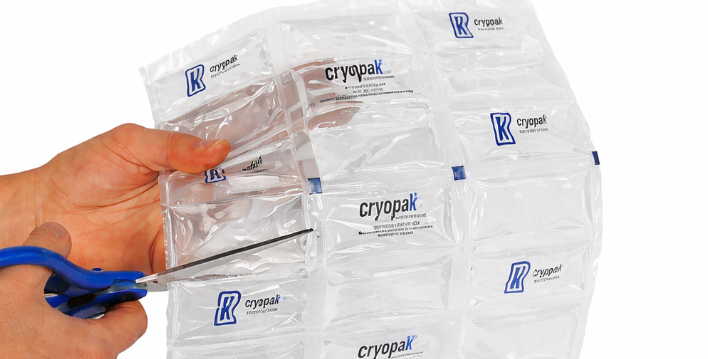
Cooling products for medical transport are often the only thing standing between a shipment of vaccines and a total write-off. Medical transport moves highly sensitive materials that require strict temperature control, and even a short excursion outside the approved range can make a product unusable. Vaccines, medications, blood products, biological samples, and diagnostic specimens all have to stay inside a defined temperature window from the moment they leave the facility until they reach the patient or lab.
This guide covers why temperature control matters, which cooling products for medical transport are used at each stage, what the cold chain rules actually require, and how to choose the right solution for your shipments.
Why Temperature Control Matters in Medical Transport
Most biologics are chemically fragile. Refrigerated vaccines are typically held between 2°C and 8°C (36°F to 46°F), frozen products sit far lower, and some mRNA vaccines need ultra-cold conditions. Blood components, insulin, diagnostic reagents, and tissue samples each have their own tolerances, and none of them recover once they have been out of range.
Transport is the weakest link. Inside a hospital or pharmacy, a validated refrigerator does the work. On the road, in a courier bag, or on a loading dock in August, the packaging is the refrigerator. That is the job cooling products do: hold a stable internal temperature for the full duration of the trip, including delays.
What Happens When the Cold Chain Breaks
A cold chain failure is rarely dramatic. A cooler is packed with too few gel packs, a van sits in traffic, a delivery is left at a back door for an hour. The damage shows up later, usually as one of these outcomes:
- Loss of potency. A vaccine may look fine and still fail to protect the patient.
- Wasted inventory. Temperature-excursion stock has to be quarantined and often destroyed.
- Repeat testing. Specimens that arrive warm are rejected by the lab, so the patient is drawn again.
- Compliance exposure. Excursions have to be documented, investigated, and reported.
- Lost trust. Clinics and labs remember which carrier delivered a spoiled shipment.
Types of Cooling Products Used in Medical Transport
A working cold chain usually combines several cooling products for medical transport rather than relying on one. Here is how the main categories fit together.
Gel Ice Packs
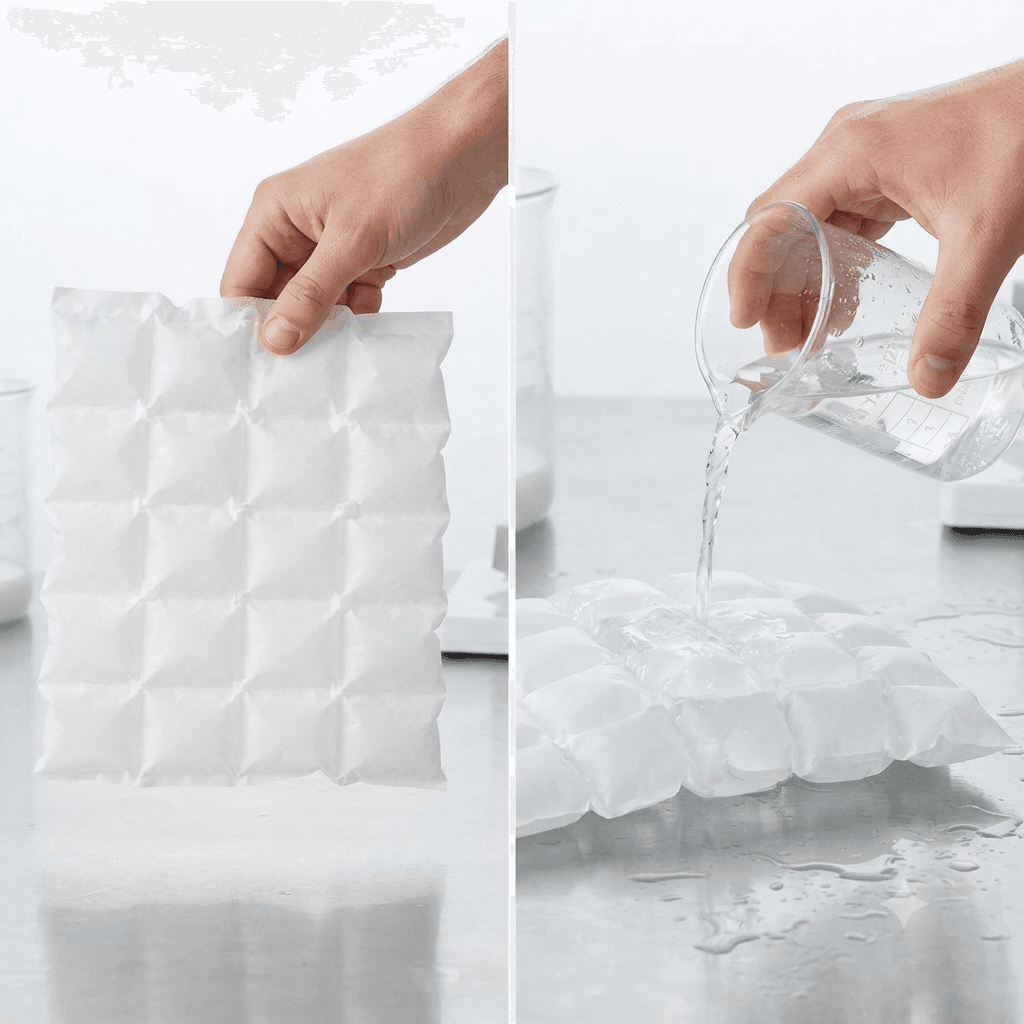
Reusable gel packs are the workhorse of medical transport. They hold temperature longer than wet ice, they do not leak melt water onto labels and paperwork, and they can be conditioned to the exact range a shipment needs. Flexible gel ice packs wrap around irregular payloads, while a gel ice blanket covers a full pallet or a large cooler in a single layer. For teams running daily routes, reusable packs also cut recurring packaging costs, which we covered in more detail in our guide to reusable gel ice packs for commercial use.
Insulated Containers and Thermal Packaging
The container decides how long the coolant lasts. Insulated shippers, EPS and polyurethane boxes, and thermal liners slow heat transfer so the gel packs are not fighting ambient temperature on their own. Match the wall thickness and the payload size to the expected transit time, then add a margin for delays. Dedicated bags for gel packs keep coolant separated from the product so nothing freezes by direct contact.
Dry Gel and Refrigerants
For longer routes or higher ambient temperatures, dry gel refrigerants and gel ice pack refrigerants extend hold time without adding much weight. Dry formats are convenient for air freight and for shippers that need to avoid liquid entirely.
Temperature Monitoring
Cooling products for medical transport keep the temperature stable. Monitoring proves it. Data loggers and single-use indicators create the record you need for compliance, and they tell you which lanes and which pack configurations are actually performing.
Vaccine Transport and the Cold Chain
Vaccines are the most demanding common payload. They move from manufacturer to distributor to clinic, sometimes through several handoffs, and each leg has to stay in range. Public health guidance is specific about conditioning coolant, avoiding direct contact between packs and vials, and using qualified containers rather than household coolers. The CDC’s guidance on the vaccine cold chain is a good reference point for building your own transport SOP.
One detail that gets missed often: frozen gel packs placed straight against vials can push a refrigerated vaccine below 2°C and damage it just as surely as heat. Conditioning the packs and using a barrier layer is not optional.
Regulatory Compliance and Documentation
Medical transport operates under real oversight, including GDP expectations, state pharmacy rules, and payer or accreditation requirements. In practice, compliance comes down to three habits: use qualified packaging, monitor and record temperature for every shipment, and keep the documentation retrievable. Reliable cooling products for medical transport make all three easier, because a validated pack-out that behaves the same way every time is far simpler to prove than an improvised one.
How to Choose the Right Cooling Products for Medical Transport
Work through these questions before you standardize on a pack-out:
- What is the target range? 2°C to 8°C, frozen, or ambient-controlled. This decides the coolant type.
- How long is the trip, worst case? Size hold time against delays, not the ideal schedule.
- What is the ambient temperature? A summer route needs a different configuration than a winter one.
- How big and how fragile is the payload? Flexible packs for irregular loads, blankets for pallets.
- Reusable or single use? Fixed daily routes favor reusable packs; one-way shipments may not.
- Can you validate it? Test the configuration with loggers before it carries real product.
Getting this right pays off beyond compliance. Better packaging means fewer rejected shipments and less rework, which is a direct efficiency gain across healthcare logistics operations and the wider case for temperature-controlled shipping.
How to Pack a Medical Shipment Step by Step
Choosing the right cooling products for medical transport is only half the job. The pack-out sequence decides whether they actually perform. Most temperature excursions trace back to packing shortcuts rather than to the coolant itself.
- Precondition the coolant. Gel packs straight from a deep freezer are far colder than the payload needs. Temper them at room temperature until the surface starts to sweat, or condition them in a refrigerator when the shipment must stay above freezing.
- Precondition the shipper. A warm box pulls cold out of the packs before the payload sees any benefit. Stage insulated containers in the same environment as the coolant.
- Line the walls, not just the top. Cold air falls, so packs placed only on top leave the base of the load warmer. Surround the product on every side the validated pack-out calls for.
- Add a barrier layer. Corrugated inserts or dedicated pack sleeves keep frozen surfaces off vials and blood bags, which is where freeze damage usually starts.
- Fill the void space. Empty air speeds up the exchange with outside temperatures. Dunnage stops the payload shifting and slows the drift.
- Put the data logger with the payload. A logger taped to the outer wall records the box, not the product.
- Seal, label, and record. Note the pack-out time, the coolant condition, and the logger ID before the box leaves the dock.
Common Mistakes That Waste Good Cooling Products
Even well-specified cooling products for medical transport fail when the routine drifts. The repeat offenders are reusing packs that were never fully refrozen, mixing frozen and refrigerated pack-outs in one shipper, opening the box mid-route to check the contents, and running a July shipment on a configuration that was only ever tested in March.
Validation closes the loop. Run the pack-out through both a summer and a winter profile with loggers in the worst-case position, keep the data, and repeat it whenever the coolant, the container, or the route changes. Documented validation is what turns cooling products for medical transport from a purchase into a controlled process.
Frequently Asked Questions
What temperature do most medical shipments need?
Refrigerated products, including many vaccines, are usually held at 2°C to 8°C (36°F to 46°F). Frozen and ultra-cold products have their own ranges, and every product’s package insert is the final authority.
How long do gel ice packs last in transit?
It depends on the container, the number and mass of packs, the payload, and the outside temperature. A well-built insulated shipper with properly conditioned gel packs commonly holds range for 24 to 48 hours, but the only trustworthy number is the one your own validation test produces.
Can gel ice packs freeze a vaccine?
Yes. Frozen packs in direct contact with vials can drop the product below 2°C. Condition the packs before use and keep a barrier layer between coolant and product.
Are reusable cooling products suitable for medical transport?
Yes, as long as they are inspected, cleaned, and conditioned to a defined procedure. Reusable cooling products for medical transport are common on daily courier and clinic routes and cost far less over a year than single-use coolant.
How many gel packs does a medical shipment need?
There is no single number. It depends on payload mass, container performance, route duration, and outside temperature. A 24-hour refrigerated shipment in a small validated shipper may hold with two or three conditioned packs, while a 48-hour summer route in a larger box can need six or more. The count should come from validation data for that specific pack-out, not from a rule of thumb.
Do cooling products for medical transport need to be validated?
Yes. Auditors expect a documented pack-out that has been tested against the temperature profiles the route can realistically produce, in both summer and winter conditions. Validation covers the coolant, the container, the fill pattern, and the duration. Once it is signed off, the pack-out has to be followed exactly, because changing any component makes the earlier data invalid.
The Bottom Line
As healthcare distribution networks keep expanding, dependable cooling products for medical transport stop being a packaging line item and become part of patient safety. Organizations that invest in qualified coolant, proper insulation, and real monitoring lose less product, pass audits more easily, and deliver material that still works when it arrives.
Axizz supplies gel ice packs, blankets, dry gel, and thermal packaging built for medical and commercial cold chains. Browse the full product range or contact our team to talk through the right configuration for your routes.