
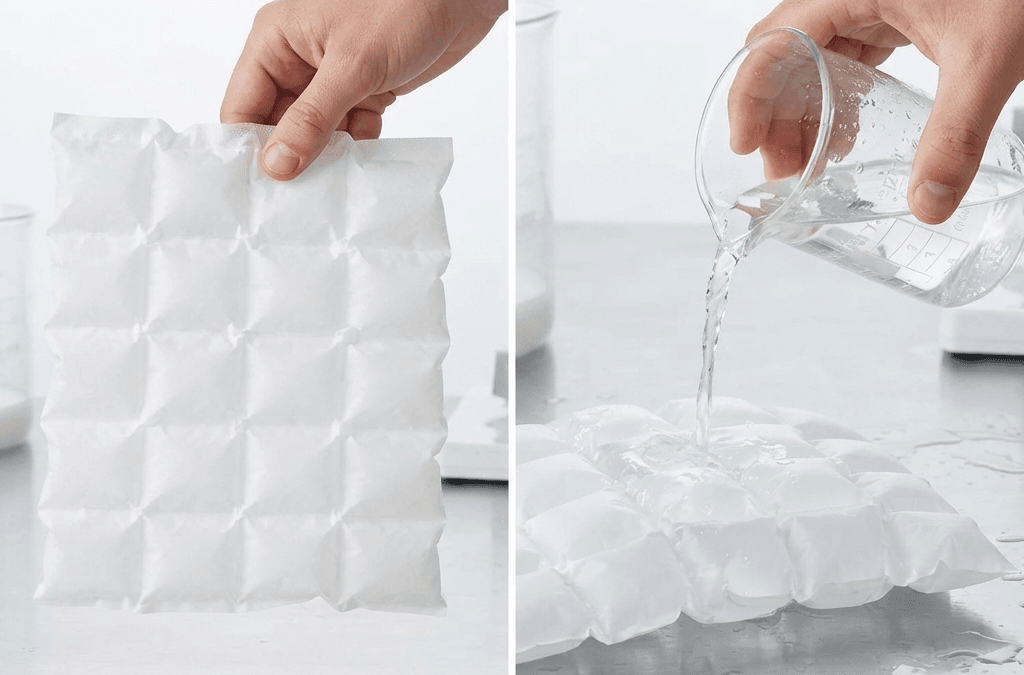
Cooling products protect product quality during storage and transportation by holding temperature-sensitive goods inside a safe range from the moment they leave cold storage until they reach the customer. Gel ice packs, gel ice blankets, frozen refrigerant packs and insulated shipping covers absorb heat that would otherwise warm the load. That keeps medicines potent, food fresh and delicate goods in the same condition they left in.
It matters more than most businesses expect. One warm afternoon on a loading dock or a delivery that sits an extra day can ruin a full shipment of temperature-sensitive products. This guide explains how cooling products work, which ones fit which jobs, and the practical steps that keep your products safe at every stage of the supply chain.
Key takeaways
- Most refrigerated medicines and vaccines need 2°C to 8°C (36°F to 46°F). Frozen food should stay at 0°F (-18°C) or colder.
- Bacteria in food grow fastest between 40°F and 140°F, the range the USDA calls the “Danger Zone.”
- Gel ice packs and gel blankets suit chilled goods. Low-temperature gel packs suit frozen loads.
- Insulation matters as much as the coolant. The pack absorbs heat, and the insulation slows how fast heat gets in.
- Pre-freezing packs, filling empty space in the box and tracking temperature prevent most cold chain failures.
Why Temperature Control Matters for Product Quality During Storage and Transportation
Many products have a narrow temperature window. Step outside it, even for a short time, and the damage is often invisible until someone uses or tests the product. That is why temperature control sits at the center of any plan to protect product quality during storage and transportation.
The numbers show how expensive failures can be:
- The IQVIA Institute estimates the biopharma industry loses about $35 billion a year to temperature-controlled logistics failures, counting lost product, replacement costs and wasted shipping.
- The FAO reports that 13.3% of the world’s food was lost between harvest and retail in 2023. Weak cold storage and handling are part of that loss.
- The CDC states that refrigerated vaccines should be stored at 2°C to 8°C (36°F to 46°F).
- In the US, the FDA Sanitary Transportation rule requires shippers, carriers and receivers of food to use adequate temperature controls during transport.
What Happens When Products Leave Their Safe Temperature Range
Temperature damage looks different depending on what you ship:
- Food: bacteria multiply quickly in the USDA Danger Zone of 40°F to 140°F, doubling in as little as 20 minutes. Texture, color and taste also suffer.
- Medicines and vaccines: heat and freezing can both reduce potency, and a damaged dose can look completely normal.
- Lab samples: specimens and reagents can break down and give unreliable test results.
- Flowers and plants: warmth speeds up wilting and shortens vase life.
- Cosmetics and chemicals: some products separate, thicken or lose effectiveness when they overheat.
The loss rarely stops at the product. Businesses also pay for replacements, reshipping, customer complaints and, in regulated industries, compliance reviews.
The Main Cooling Products for Storage and Transportation
No single cooling product fits every shipment. The best way to protect product quality during storage and transportation depends on the target temperature, how long the goods will travel and the size of the load.
Gel Ice Packs
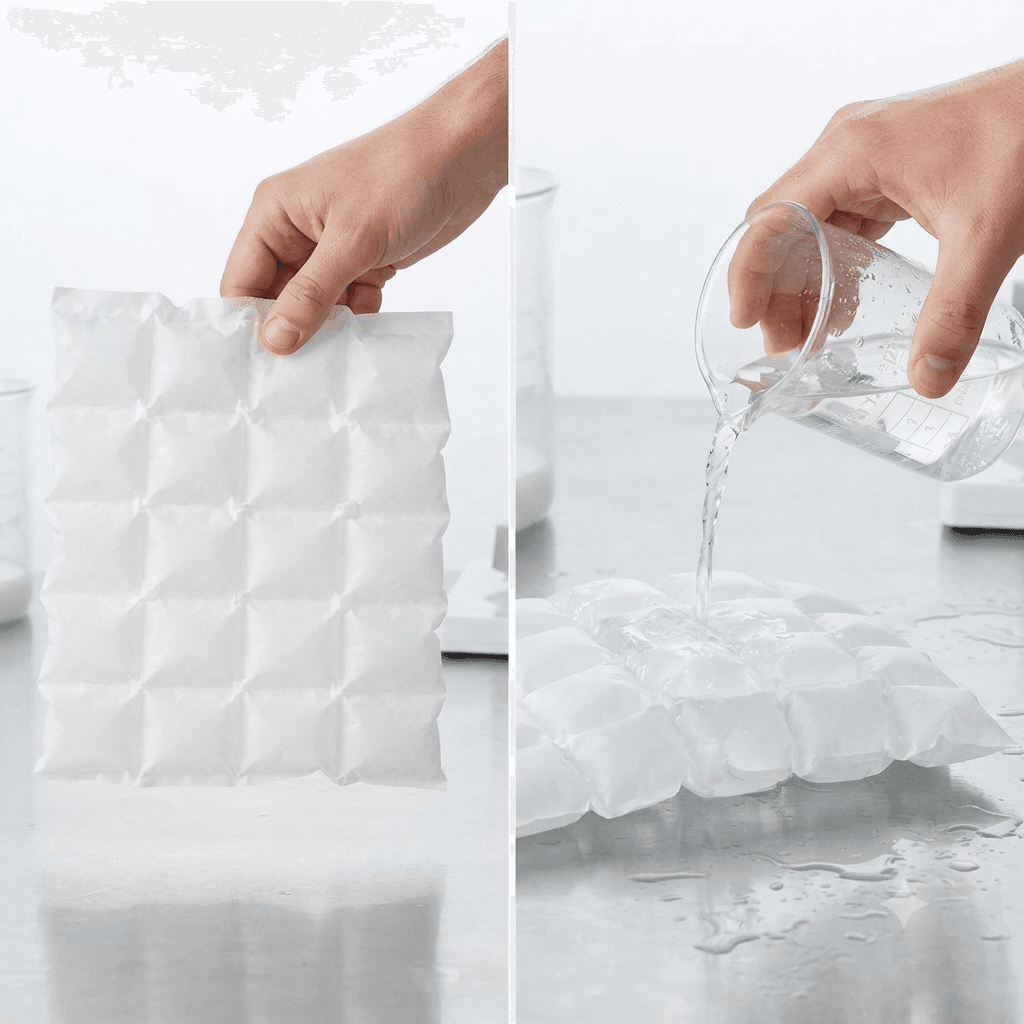
Gel ice packs for shipping are the most common coolant in the cold chain. They freeze solid, absorb heat as they thaw and do not turn into loose water like regular ice. FREEZEZE™ Gel Ice Pack Refrigerants and THERMAPACK™ Gel Ice Pack Refrigerants are made for exactly this job. If you still ship with bagged ice, see why gel ice packs are better than traditional ice.
Gel Ice Blankets and Gel Ice Pads
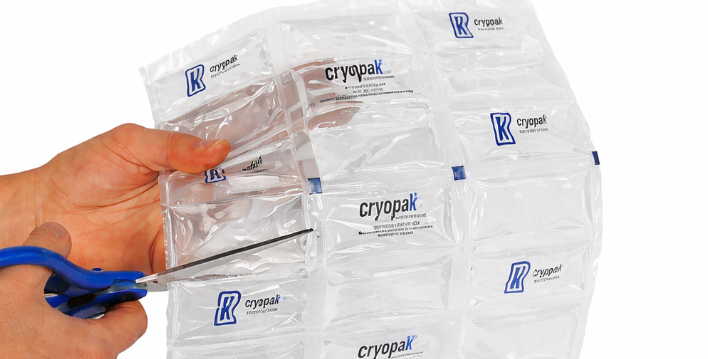
Blankets and pads wrap around products or sit between layers, so cooling reaches more surface area. A THERMAPACK™ Gel Ice Blanket works well for trays, cases and odd-shaped items. FREEZEZE™ Gel Ice Pads fit neatly into standard shipping boxes.
Low-Temperature Gel Packs for Frozen Goods
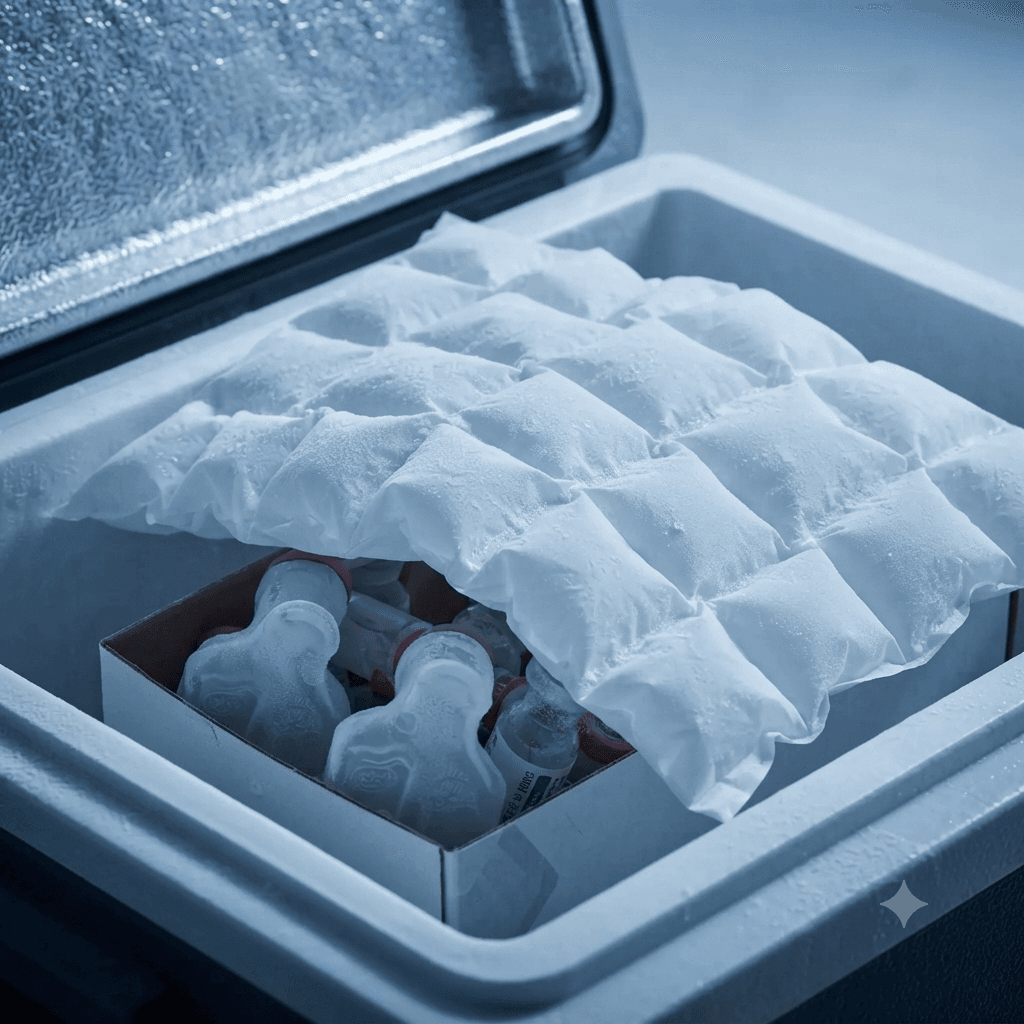
Frozen food, ice cream and some biological materials need a colder refrigerant. THERMAPACK™ (-10°F/-23°C) Gel Ice Packs are built for these loads and help keep frozen products frozen without the special handling rules that come with dry ice.
Insulated Shipping Covers and Envelopes
A coolant only works as long as outside heat stays out. Insulated covers such as THERMAPACK™ Thermal Shipping Envelopes slow heat transfer, so your ice packs last longer and the temperature inside the box stays steady.
| Cooling product | Best for | Common uses |
|---|---|---|
| Gel ice packs | Chilled goods (2°C to 8°C) | Medicines, meal kits, lab samples |
| Gel ice blankets | Large or irregular loads | Catering trays, produce cases, bulk shipments |
| Gel ice pads | Standard shipping boxes | E-commerce and grocery delivery |
| Low-temperature gel packs | Frozen goods | Frozen food, ice cream, frozen samples |
| Insulated covers and envelopes | Any temperature-sensitive shipment | Extending cold hold time for all of the above |
How Cooling Products Protect Quality at Every Stage
Product quality during storage and transportation can slip at several points. Here is where cooling products do the most work.
In Cold Storage and Warehouses
Goods often wait in staging areas before they ship. Keeping a steady stock of frozen gel packs means packing teams never have to wait for coolant or cut corners. Packs placed with inventory also buffer short temperature swings during door openings or moves between zones.
During Packing and Loading
The loading dock is one of the riskiest points for product quality during storage and transportation. Products can sit exposed in direct sun while a truck is loaded. Packing with pre-frozen gel packs and insulated liners before goods leave the cold room keeps them protected through this gap.
In Transit and Last-Mile Delivery
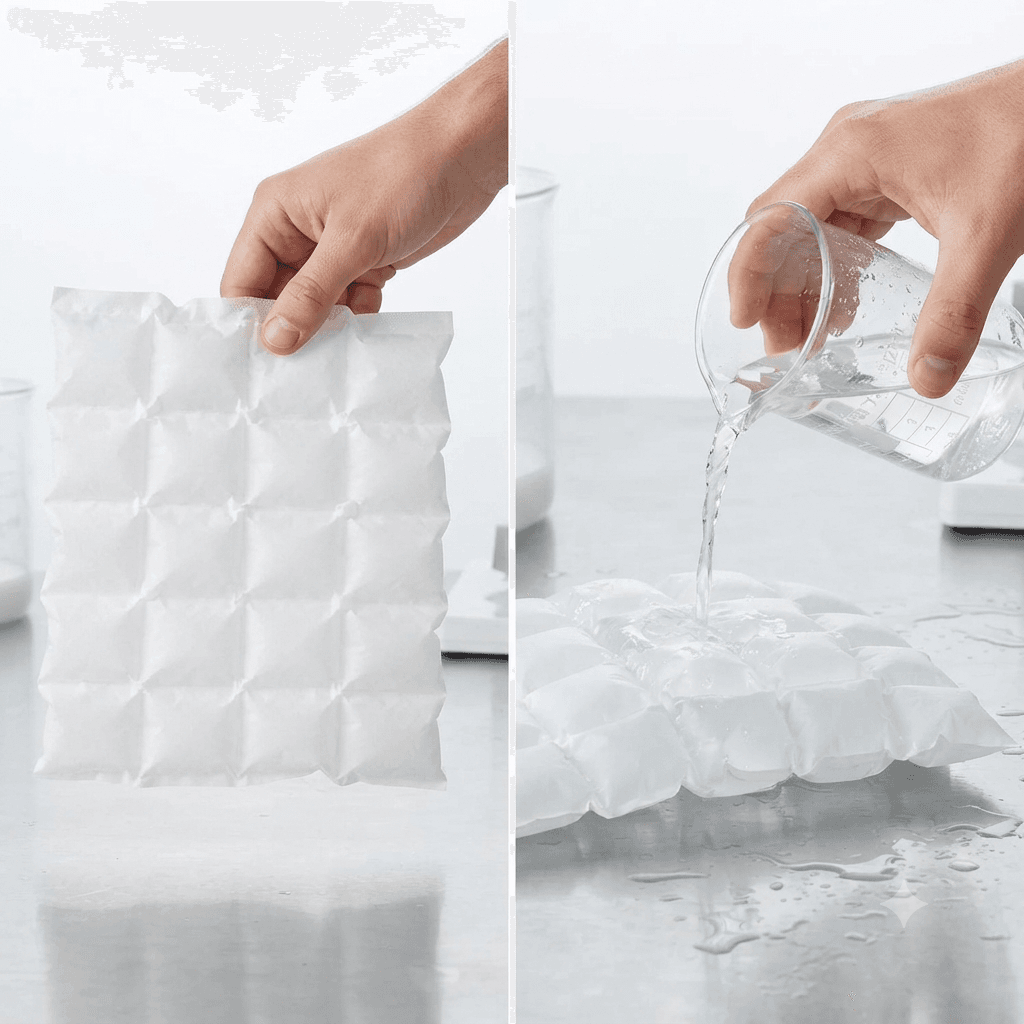
Transit brings long hauls, handoffs between carriers and packages that wait on doorsteps. Well-packed gel ice packs hold conditions steady through all of it. For a deeper look at the full chain, read how cold chain solutions ensure safe transportation of temperature-sensitive products.
Industries That Depend on Cooling Products
Any business that ships something perishable relies on product quality during storage and transportation. The biggest users include:
- Pharmaceuticals and healthcare: vaccines, insulin, biologics and diagnostic samples. Learn more about cooling products in pharmaceutical distribution and healthcare logistics.
- Food and grocery delivery: meal kits, seafood, dairy and fresh produce. See why food delivery companies depend on cooling products.
- Florists: FLORIST ICE™ keeps arrangements fresh on the way to the customer.
- E-commerce brands: chocolate, cosmetics, supplements and specialty foods. Read about reliable cooling solutions for e-commerce businesses.
- Biotech and labs: reagents, cultures and clinical trial materials.
7 Best Practices to Maintain Product Quality During Storage and Transportation
The right products only work when they are used well. These seven habits prevent most temperature problems:
- Know your target range. Check the product label or the rules for your industry, such as 2°C to 8°C for most refrigerated medicines or 0°F (-18°C) and below for frozen food.
- Pre-condition your packs. Freeze gel packs completely before use. For chilled medicines, let packs temper briefly so they do not freeze the product.
- Match coolant to transit time. Longer routes and hot weather need more coolant, better insulation or both.
- Use proper insulation. Pair ice packs with insulated liners, foam coolers or thermal covers.
- Reduce empty space. Air gaps warm up fast. Fill voids so the cold stays close to the product.
- Track temperatures. Data loggers or temperature indicators show whether a shipment stayed in range.
- Plan around delays. Ship early in the week, avoid weekend layovers and add extra coolant during heat waves.
Why Reusable Gel Ice Packs Make Business Sense
Reusable gel ice packs can be frozen and used again many times, which lowers the cost per shipment and cuts packaging waste. They also do not leak water that can soak labels, boxes and the products inside, which helps protect product quality during storage and transportation. Learn more about the benefits of reusable gel ice packs for commercial applications.
Frequently Asked Questions
How do cooling products maintain product quality during storage and transportation?
Cooling products absorb heat before it reaches the product. As a frozen gel pack thaws, it pulls heat from its surroundings and holds the package near its target temperature. Paired with good insulation, this keeps goods in a safe range for the whole trip.
What temperature should temperature-sensitive products be shipped at?
It depends on the product. Most refrigerated medicines and vaccines need 2°C to 8°C (36°F to 46°F). Perishable food should stay at or below 40°F (4°C), and frozen food at 0°F (-18°C) or colder. Always follow the manufacturer’s storage label.
How long do gel ice packs keep products cold during shipping?
Gel ice packs for shipping usually keep a well-packed box cold for about 24 to 48 hours. The exact time depends on how many packs you use, the insulation, the box size and the outside temperature. Hot weather and long routes call for more coolant.
Are gel ice packs better than dry ice?
For chilled goods, yes. Gel packs keep products cool without freezing them and need no special handling. Dry ice is much colder, around -78.5°C (-109.3°F), so it suits deep-frozen shipments, but it is regulated as a hazardous material for air transport and needs special labeling.
Can gel ice packs be reused?
Yes. Quality gel ice packs can be refrozen and reused many times as long as the outer film is not damaged. Wipe them clean, check for leaks and refreeze them fully before the next shipment.
Final Thoughts
Keeping product quality during storage and transportation comes down to three things: the right cooling product, good insulation and careful handling. Get those right and you cut spoilage, lower replacement costs and keep customers confident in what they receive.
Axizz supplies gel ice packs, gel ice blankets, low-temperature refrigerant packs and thermal shipping covers for businesses that ship temperature-sensitive products. Browse our cooling products or contact our team for help choosing the right setup for your shipments.