
Hot and cold therapy solutions give you one flexible toolkit for aches, swelling and stiffness.

Advanced Wellness Products
for Medical
Why Hot and cold therapy solutions Matter
Hot and cold therapy solutions let you choose cold for fresh swelling and warmth for stiff muscles. Look for quality materials, a comfortable fit and easy care when comparing hot and cold therapy solutions.
Prepare hot and cold therapy solutions exactly as the instructions say, and try them briefly at first. Keep hot and cold therapy solutions clean and dry between uses, check for wear, and replace anything damaged so your hot and cold therapy solutions keep working as expected.
Safe Use of Hot and cold therapy solutions
Wrap the pack in a thin cloth, use it for ten to fifteen minutes and rest the skin between sessions. Never use extreme temperatures on bare skin. This is general information, not medical advice, so speak to a doctor about pain that is severe or does not improve. Follow these steps every time you use hot and cold therapy solutions.
Choosing Reusable Packs
Pick packs with a tough, leak-resistant casing and a soft cover for comfort. Flexible gel stays pliable when frozen, so it moulds around joints and muscles. Keep a few sizes on hand so you can treat knees, shoulders, wrists and the lower back equally well.
Wash the cover regularly, wipe the pack clean and let it dry before returning it to the freezer or the warming pot. Replace any pack that leaks, cracks or loses its shape. With simple care, one set of packs can serve a household for many years and save you money on disposable products.
Plan ahead for travel and sport by keeping a pack in an insulated bag. Many people also keep one at work for long days at a desk. A little preparation means relief is always close by when aches show up unexpectedly.
Everyday Situations That Call for Reusable Packs
After a long day on your feet, a cold pack around the ankles can make evenings far more comfortable. Gardeners, runners and parents often reach for a pack when muscles feel sore or joints feel stiff. Office workers use warm packs on the neck and shoulders to loosen up after hours at a screen.
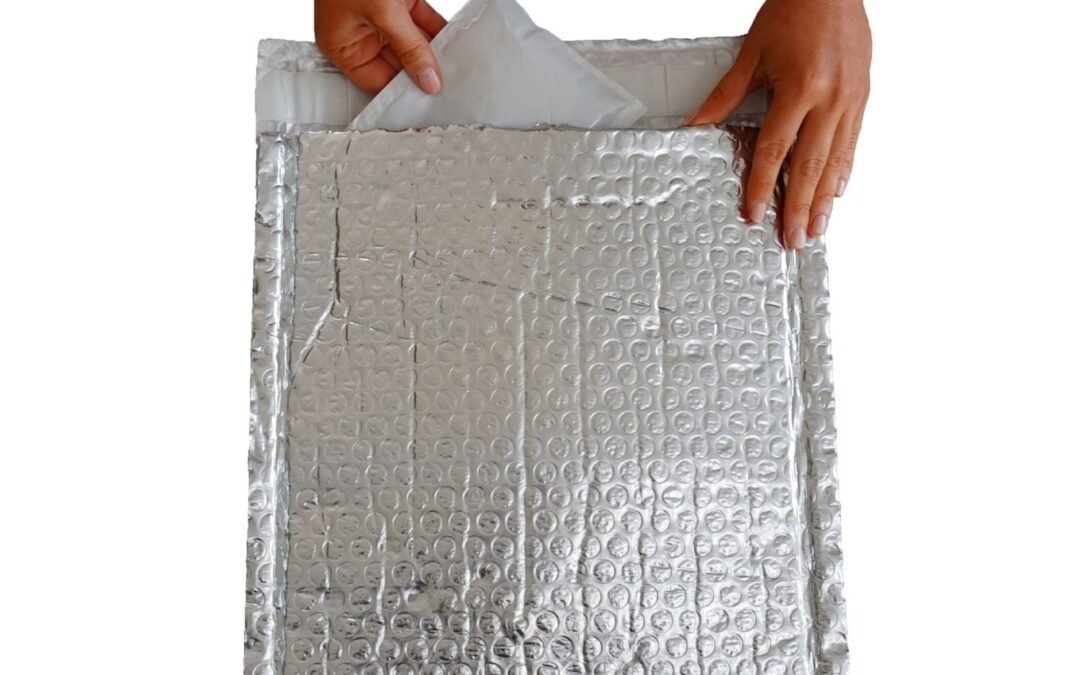
Reusable gel packs also help in the kitchen and on the road. They keep lunches cool, protect medicines that need to stay chilled and soothe small bumps on family trips. Because the same pack can be used again and again, it is far cheaper than buying disposable products every time you need relief.
How to Prepare and Apply Packs Correctly
Place cold packs in the freezer for at least a few hours so the gel is evenly chilled. Warm packs should be heated exactly as the instructions describe, then tested on the inside of your wrist before use. Always wrap the pack in a thin towel or cover so it never sits directly on bare skin.
Apply the pack to the sore area for around ten to fifteen minutes, then rest for a while before repeating. Keep the area raised if it is swollen, and move gently between sessions so the joint does not become stiff. If you notice unusual redness, numbness or increased pain, stop and seek medical advice.
Signs You Should See a Professional
Home care suits minor aches, but some problems need proper assessment. Severe swelling, fever, pain that wakes you at night or symptoms that last more than a week deserve a visit to your doctor. People with diabetes, poor circulation or reduced sensation should check with a healthcare professional before using heat or cold at home.
This article offers general information only and is not medical advice. Use your judgement, follow product instructions and ask a professional whenever you are unsure.
Related Reading
Explore more: heat gel packs, medical gel ice packs and NHS sprains and strains advice.