
Gel ice packs for pain relief offer a simple, reusable way to calm sore muscles and joints.
Usually, hot or cold therapy is suggested by a doctor to relieve the discomfort caused by minor muscular pains. But when you try it at home, things can seem difficult if there’s no handy gel pack at your house.
You need to buy proper gel packs that can be cooled and heated easily as per your requirements. Plus, they must be able to maintain the needed temperature for a long time.
1. Composition of Gel Ice Packs
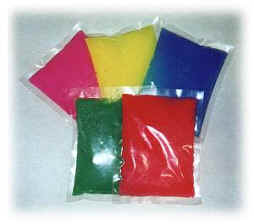
The gel ice packs are often made from non-toxic and high-quality materials. Some common gel types contain polymer, hydroxyethyl, cellulose, vinyl-coated silica gel or sodium polyacrylate.
However, the Gel Ice Packs contain filtered Canadian water gel that’s enveloped in a puncture-resistant and high-strength plastic to prevent leakage. It maintains the pack’s temperature and consistency for a longer duration.
2. How Gel Packs Work?
If we talk about cold therapy, the ice gel packs are effective on fresh pains, injuries and aches. It helps in constricting blood vessels that further slow down the inflammation while reducing redness and swelling.
Besides gel packs, there are many other techniques for applying cold therapy. However, each one has its pros and cons. But if you are seeking something relatively cheap, reusable and readily available, gel packs are your best option.
3. How to Relieve Pain Using Gel Packs?
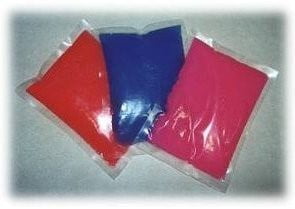
One can easily use gel packs. You simply need to place it in a freezer for around two hours or overnight. But you have to keep it lying flat, so it’s easier to mould it as per the injured body part. When the gel pack is perfectly flat, you can easily turn and twist it according to the shape of your affected body area.
For preventing yourself from ice pack burn, you have to apply the gel pack not over 15 to 20 minutes. You can easily repeat the gel pack application various times throughout the day. But before you reapply the ice gel pack, you need to ensure that your skin gets back to normal temperature. When the skin is warm again, it’s best to reapply the ice pack.
Remember that cold therapy is most effective when it’s applied at the first 48 hours following the injury. So, it’s important to work with it rapidly.
You can also use gel packs for heat therapy. All you need to do is place it in your microwave for around 15 seconds for warm relief therapy. But always wrap your hot pack with a cloth or towel before you apply it to your skin to prevent skin damage.
4. When Should Your Use Gel Packs?
Mostly gel packs are applied on fresh injuries or acute pain. It includes muscle strains, ligament sprains, sports injuries or other bruises. These are also helpful in alleviating muscle spasms or other types of arthritis.
You can also treat tissue fatigue, chronic overuse, carpal tunnel syndrome, tennis elbow and patellofemoral pain syndrome with a gel pack.
5. When to Avoid Gel Packs?
Here are certain cases when you should avoid using gel packs:
- Don’t use a gel pack on stiff joints or muscles
- Don’t use it on any sort of sensory disorders. For instance, patients with diabetes can have less sensitivity and may not feel anything when damage is done.
- Don’t use it if cold therapy was not helpful within 48 hours
- Don’t use it in case of poor circulation
Conclusion
When you have to ease any fresh injury or pain, it’s best to use a gel pack. It’s a great option, as it is versatile, safe and effective for treating different types of muscle pains. Not just they help in alleviating pain but they even minimize inflammation while increasing the healing process. Just try them the next time you feel sudden muscle pain or have any fresh bruise or injury.
Why Gel ice packs for pain relief Matter
Gel ice packs for pain relief stay flexible when frozen, so they mould to knees, backs and shoulders. Look for quality materials, a comfortable fit and easy care when comparing gel ice packs for pain relief.
Prepare gel ice packs for pain relief exactly as the instructions say, and try them briefly at first. Keep gel ice packs for pain relief clean and dry between uses, check for wear, and replace anything damaged so your gel ice packs for pain relief keep working as expected.
Safe Use of Gel ice packs for pain relief
Wrap the pack in a thin cloth, use it for ten to fifteen minutes and rest the skin between sessions. Never use extreme temperatures on bare skin. This is general information, not medical advice, so speak to a doctor about pain that is severe or does not improve. Follow these steps every time you use gel ice packs for pain relief.
Key Gel ice packs for pain relief Takeaways
Remember these gel ice packs for pain relief basics: choose quality, use them safely and care for them well. Good gel ice packs for pain relief habits save time and money, and the best gel ice packs for pain relief advice is to stay consistent.
Share these gel ice packs for pain relief tips with family, friends and colleagues. Smart gel ice packs for pain relief choices help everyone stay comfortable, and your gel ice packs for pain relief routine can grow as your needs change.
Related Reading
Explore more: medical gel ice packs, thermal gel ice packs and NHS sprains and strains advice.