
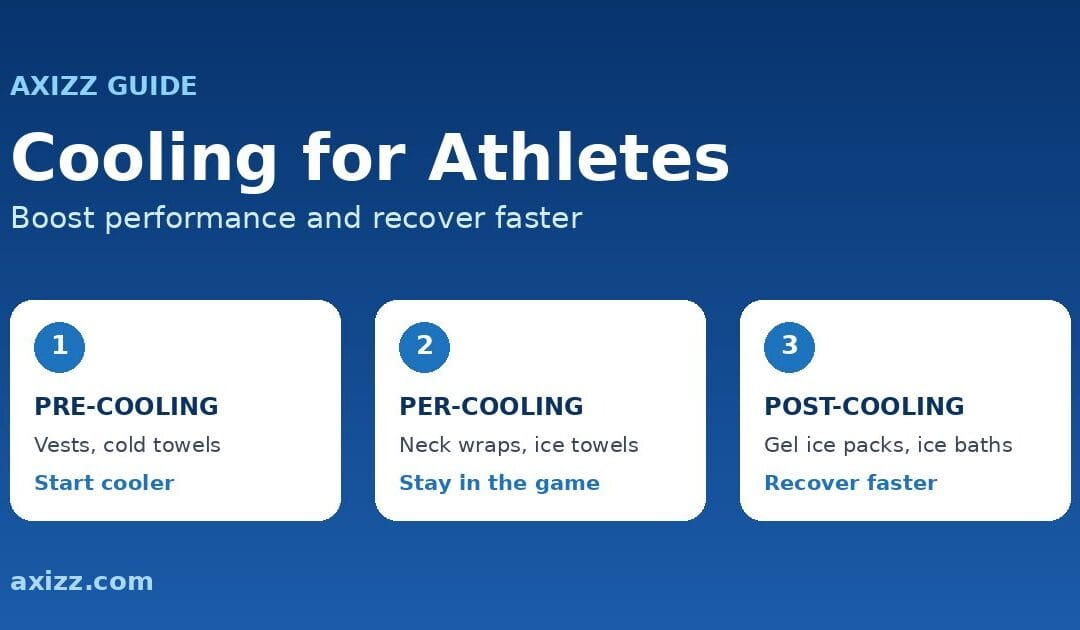
Cold therapy for injury prevention and recovery is a popular tool among athletes and active people. Used wisely, cold packs ease soreness after hard sessions, calm minor swelling and support a steady return to training. Axizz makes reusable gel packs for these needs.
Key Takeaways
- Cold eases soreness and minor swelling after activity.
- Short, controlled sessions are safest.
- It supports recovery but does not replace rest, warm-up and strength work.
- See a professional for severe or lasting pain.
How Cold Therapy for Injury Prevention and Recovery Works
Cold narrows blood vessels and dulls pain signals, which can reduce swelling and make sore tissue feel better. After intense training or a small strain, cold therapy for injury prevention and recovery gives the body a calmer start to healing and helps athletes keep consistent routines.
5 Proven Tips for Cold Therapy
1. Use it early after minor strains
Apply cold soon after a small injury or heavy session, when swelling and soreness begin. Early use is usually most helpful.
2. Keep sessions short
Ten to fifteen minutes with a cloth barrier is a common guideline. Longer is not better and can irritate the skin.
3. Pair cold with rest and elevation
Cold works best as part of a plan that includes relative rest, gentle movement and raising the limb when possible.
4. Add it to a recovery routine
Combine cold packs with stretching, sleep, hydration and good nutrition for steadier progress.
5. Listen to your body
Pain that is sharp, persistent or getting worse needs professional assessment rather than more ice.
Practical Tips
- Wrap reusable gel packs in a thin towel.
- Never apply cold to numb or damaged skin.
- Rotate two packs so one is always ready.
- Warm up properly before training to reduce injury risk.
- Keep a simple log of sessions and how you feel.
Building Cold Therapy Into Your Training Week
Cold therapy for injury prevention and recovery works best when it is planned. Use it after your hardest sessions, not every day by default. Pairing cold therapy for injury prevention and recovery with sleep, strength work and mobility training gives better long-term results than relying on cold alone.
Coaches and clubs can keep a small stock of reusable packs at training grounds so athletes can start cold therapy quickly. Educate players on safe time limits and when to ask the medical staff for help.
Cold Therapy Limits
Cold can numb pain, which may tempt people to return to activity too soon. Do not push through pain just because it feels better after icing. Anyone with circulation problems, nerve conditions or cold sensitivity should speak with a clinician first.
A Sample Weekly Recovery Plan
Monday and Thursday after hard sessions: ten to fifteen minutes of cold on the most sore area, followed by light stretching later in the day. Wednesday and Sunday: rest or gentle movement with no icing unless needed. Throughout the week, prioritize sleep, protein, hydration and a proper warm-up. If one area is repeatedly sore, treat it as a signal to review technique, load and footwear, or to ask a physiotherapist for advice. Small adjustments often matter more than any single recovery tool.
Related Reading
how cold therapy helps speed up recovery, cold therapy after physical activity. For trusted background, see NHS advice on sprains and strains.
FAQ
How long should I apply cold therapy?
Usually 10 to 15 minutes with a barrier, then a break of an hour or more.
Can cold therapy prevent injuries?
It can help manage soreness and training load, but warm-ups, strength and rest matter more for prevention.
Conclusion
Cold therapy for injury prevention and recovery is a useful, low-cost habit when used safely and alongside smart training. This article is general information, not medical advice.