
Cooling solutions in e-commerce shipping are the packaging tools, such as gel ice packs, insulated liners and cold chain boxes, that keep temperature-sensitive products within a safe range from the warehouse to the customer’s door. As more people buy food, medicine, cosmetics and supplements online, these solutions have moved from a nice extra to a core part of a successful online store.
Key Takeaways
- Online sales of perishable and heat-sensitive goods keep growing, and so does the need for reliable cold shipping.
- Gel ice packs, insulated shipping boxes and thermal liners are the most common cooling solutions for e-commerce orders.
- The right setup depends on the product, transit time, destination climate and season.
- Good cooling protects product quality, cuts returns and refunds, and builds repeat customers.
- Reusable and non-toxic gel packs lower costs and support sustainability goals.
Why Cooling Solutions in E-Commerce Shipping Matter More Than Ever
The rapid growth of e-commerce has changed how products are sold and delivered around the world. Shoppers now expect fast, reliable shipping for everything from groceries and meal kits to healthcare products and specialty items. Many of these orders spend one to three days inside trucks, sorting hubs and mailboxes, where temperatures can swing far above safe levels.
Without proper temperature control, products may arrive spoiled, melted or less effective. That leads to refunds, reshipping costs, negative reviews and lost customers. Investing in the right cooling solutions in e-commerce shipping is one of the simplest ways to protect both your products and your brand. For a broader view of the supply chain side, see our guide on why temperature-controlled shipping is essential for modern supply chains.
Which Products Need Cold Shipping?
Any product that loses quality, safety or effectiveness when it gets too warm needs some form of cooling during delivery. The most common categories include:
- Fresh and frozen food: meat, seafood, dairy, meal kits, baked goods and chocolate.
- Pharmaceuticals and healthcare items: insulin, vaccines, biologics, lab samples and some prescription drugs.
- Cosmetics and skincare: serums, natural creams and products with active ingredients.
- Nutritional products: probiotics, certain supplements and specialty health foods.
- Plants, flowers and live goods: items that stress quickly in heat.
For perishable food, the USDA “Danger Zone” guidance explains that bacteria grow fastest between 40°F and 140°F. Keeping shipments below 40°F is the main goal of cold shipping for food sellers. Food businesses can learn more in our post on why food delivery companies depend on cooling products.
Common Cooling Solutions for E-Commerce Shipping
Most online sellers combine two or three of the options below to build complete cooling solutions in e-commerce shipping.
1. Gel Ice Packs
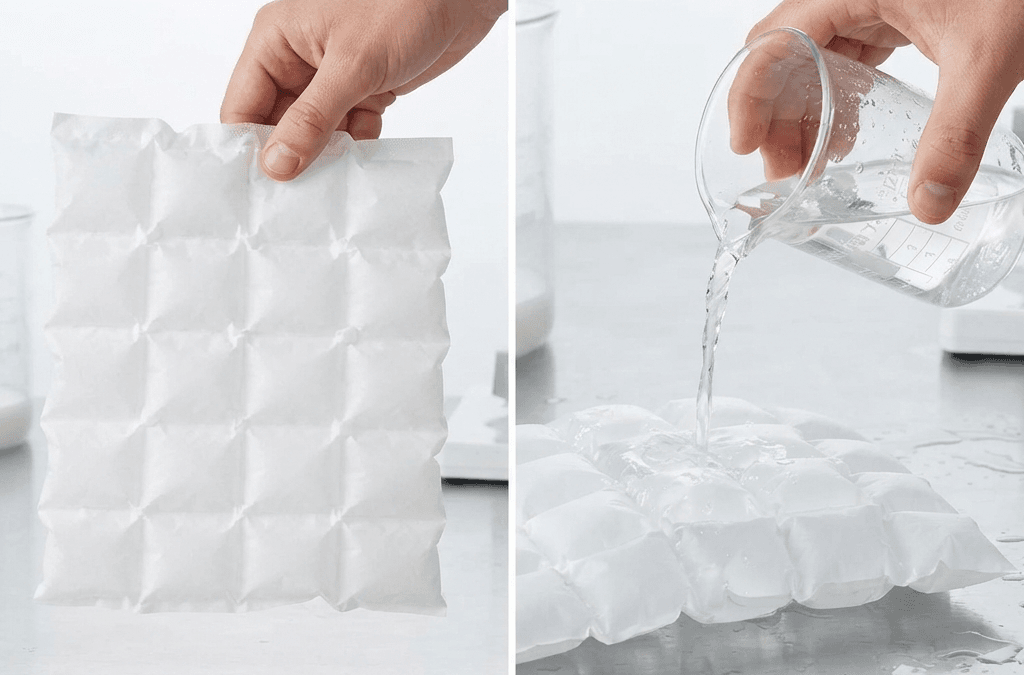
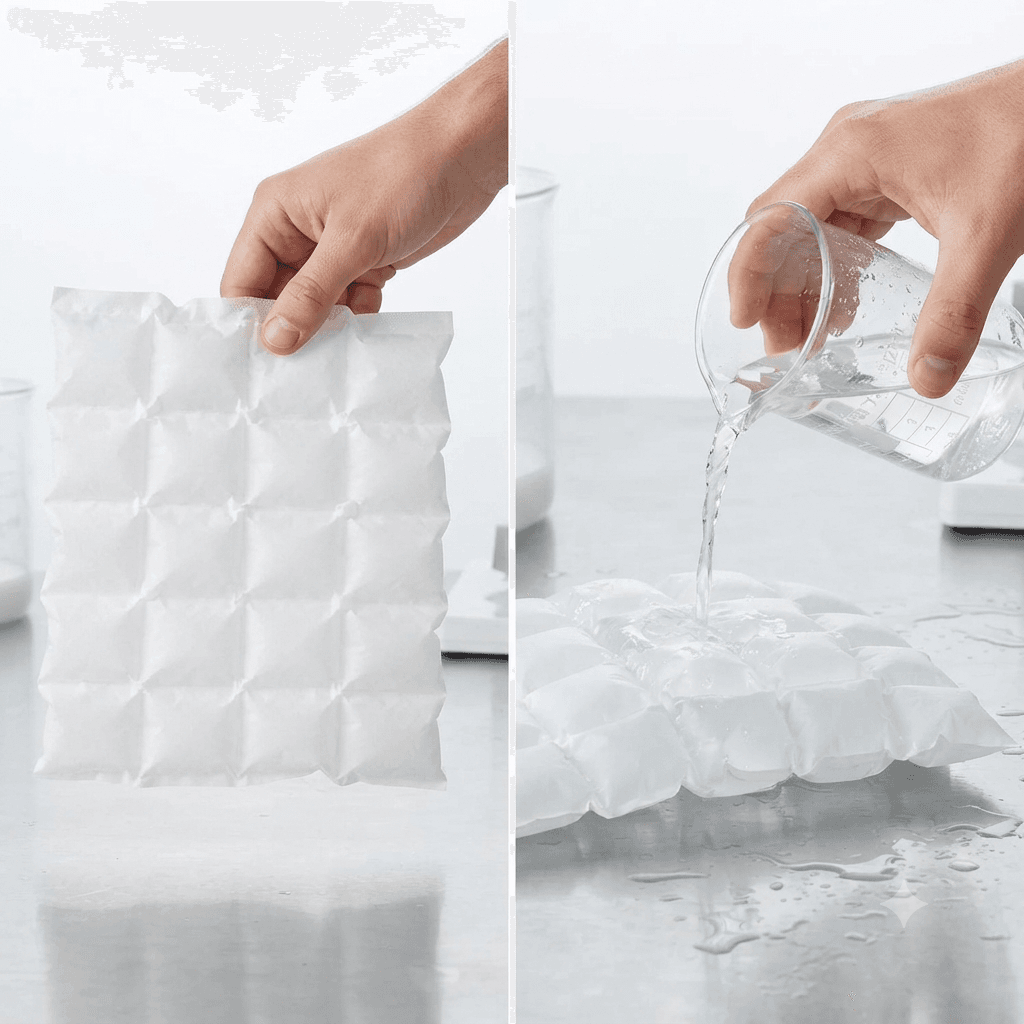
Gel ice packs are the most popular of all cooling solutions in e-commerce shipping. They hold cold longer than regular ice, do not leak water when they thaw, and come in many sizes to fit different box shapes. Reusable, non-toxic gel packs are safe to ship alongside food and can be used again by the customer. Learn more about the benefits of reusable gel ice packs for commercial use.
2. Insulated Shipping Boxes and Liners
Insulation slows down heat transfer from the outside air. Foam coolers, thermal bubble liners and recyclable paper-based insulation all help gel packs last longer. The thicker the insulation, the longer the product stays cold.
3. Dry Ice
Dry ice keeps items frozen at very low temperatures, which makes it useful for frozen foods and some medical shipments. It does require special labeling and handling rules from carriers, so many small sellers prefer frozen gel packs for simpler logistics.
4. Cold Chain Packaging Systems
For high-value or regulated products, complete cold chain packaging systems combine insulated containers, tested coolant layouts and temperature monitors. Read our full guide to cold chain packaging to see how these systems work.
| Cooling Option | Best For | Typical Temperature | Reusable |
|---|---|---|---|
| Refrigerated gel ice packs | Dairy, meal kits, cosmetics, medicine | Chilled (approx. 35°F to 46°F) | Yes |
| Frozen gel ice packs | Meat, seafood, frozen desserts | At or below freezing | Yes |
| Dry ice | Deep-frozen goods, some lab samples | Around -109°F | No |
| Insulated liners and boxes | All cold shipments (used with coolants) | Slows warming | Often |
Business Benefits of Reliable Cold Shipping
Strong cooling solutions in e-commerce shipping do more than keep products cold. They directly support growth and profit.
- Fewer damaged orders: products arrive in the condition customers expect.
- Lower refund and reshipping costs: every spoiled order you prevent saves money.
- Better reviews: customers notice when fresh products arrive cold and well packed.
- More repeat purchases: trust in delivery quality brings buyers back.
- Wider shipping reach: good cooling lets you sell to hotter regions and ship year round.
How to Choose the Right Cooling Solution for Your Online Store
There is no single setup that fits every business when it comes to cooling solutions in e-commerce shipping. Use these five questions to guide your choice:
- What temperature does the product need? Chilled items need refrigerated gel packs, while frozen goods need frozen packs or dry ice.
- How long is the transit time? Longer routes need thicker insulation and more coolant.
- Where are you shipping? Hot destinations and summer months call for extra protection.
- What does the package weigh? Balance cooling power against shipping cost.
- How important is sustainability to your customers? Reusable gel packs and recyclable liners reduce waste.
For a deeper breakdown, read choosing the right cooling solution for your business.
Best Practices for Shipping Temperature-Sensitive Products
- Pre-condition gel packs fully in a freezer or refrigerator before packing.
- Place coolants on top of and around the product, since cold air sinks.
- Fill empty space in the box to reduce air movement and warming.
- Ship early in the week so packages do not sit in warehouses over the weekend.
- Choose faster shipping options during summer heat waves.
- Run test shipments and use temperature loggers to confirm your setup works.
- Tell customers to refrigerate items right away when the order arrives.
Sustainability and the Future of E-Commerce Cooling
Shoppers are paying more attention to packaging waste. Many brands now use reusable, non-toxic gel ice packs, curbside-recyclable insulation and right-sized boxes to lower their environmental impact. Smart temperature sensors and better insulation materials are also making cold shipping more reliable and more affordable. As online shopping keeps expanding, businesses that invest in efficient and eco-friendly cooling will stay ahead of the competition.
Frequently Asked Questions About Cooling Solutions in E-Commerce Shipping
What is the best way to keep products cold during e-commerce shipping?
The most reliable method is to combine pre-frozen gel ice packs with an insulated shipping box or thermal liner. This setup keeps most chilled products cold for 24 to 48 hours, depending on the insulation and outside temperature.
How long do gel ice packs stay cold in shipping?
In a well-insulated box, quality gel ice packs usually keep contents cold for one to two days. Transit time, box size, pack quantity and weather all affect how long they last.
Are gel ice packs better than regular ice for shipping?
Yes. Gel ice packs stay cold longer, do not leak water as they thaw, and are reusable. Regular ice melts quickly and can damage packaging and products.
Should I use gel packs or dry ice?
Use gel packs for chilled products like dairy, cosmetics and many medicines. Use dry ice when items must stay deeply frozen, and follow your carrier’s hazardous materials rules for labeling and quantity.
Do cooling solutions increase shipping costs?
They add some cost for materials and weight, but they usually save money overall by preventing spoiled orders, refunds and reshipments. Reusable gel packs also lower long-term packaging costs.
Final Thoughts
As online shopping continues to grow, dependable cooling solutions in e-commerce shipping have become essential for any business that sells temperature-sensitive products. The right mix of gel ice packs, insulation and smart packing practices protects product quality, keeps customers happy and supports long-term growth. Explore Axizz gel ice packs and cooling products to find the right fit for your shipments.