
Temperature-controlled packaging for pharmaceutical shipping keeps medicines, vaccines, and biologics inside a validated temperature range from the moment they leave the manufacturer until they reach the pharmacy, clinic, or patient. One unplanned excursion on a hot loading dock can ruin an entire pallet, which is why cold chain packaging is now treated as part of the product rather than an afterthought.
Short answer: temperature-controlled packaging for pharmaceutical shipping combines an insulated shipper, a coolant such as gel ice packs or dry ice, and a validated pack-out method to hold products at ranges like 2–8°C (refrigerated), 15–25°C (controlled room temperature), or below −20°C (frozen) for a defined transit time. The main benefits are preserved potency, regulatory compliance, less product waste, wider shipping reach, and stronger customer trust.
What Is Temperature-Controlled Packaging for Pharmaceutical Shipping?
Temperature-controlled packaging is an engineered shipping system, not just a box with ice in it. Every component is chosen and tested together so the payload stays inside its approved range for a known number of hours, even when the outside temperature swings.
A typical pharmaceutical cold chain shipper has four working parts:
- Insulated outer shipper – expanded polystyrene, polyurethane, or vacuum insulated panels that slow heat transfer.
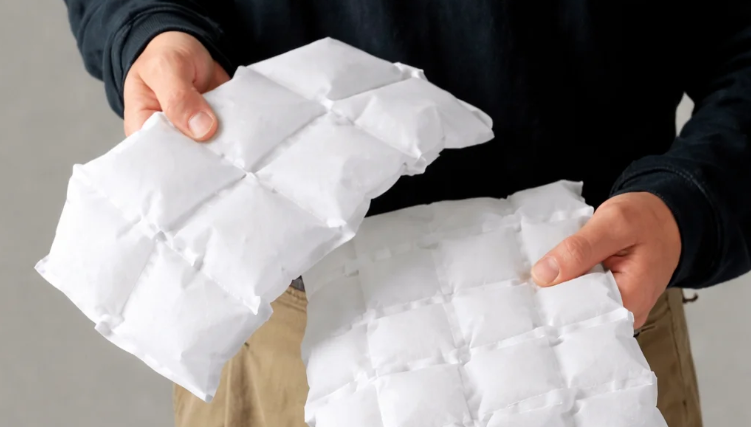
- Coolant or phase change material – gel ice packs, dry ice, or PCM bricks tuned to a specific melt point.
- Payload protection – dividers, liners, and barriers that stop direct contact between coolant and product.
- Monitoring – data loggers or indicators that record the journey and prove compliance on arrival.
Because these parts are qualified as one system, the shipper carries a stated duration, for example 72 or 96 hours at 2–8°C under a summer profile. That number is what logistics teams actually plan routes around.
Why Temperature Control Matters in Pharmaceutical Logistics
Potency and Patient Safety
Most biologics are proteins. Heat causes them to denature and freezing causes aggregation, and neither change is visible through the vial. A vaccine that spent nine hours at 30°C looks exactly like one that never left its range, so the only defence is packaging that never let the excursion happen. The World Health Organization has estimated that a large share of vaccine doses are wasted worldwide each year, with cold chain failures among the leading causes.
The Real Cost of a Temperature Excursion
An excursion is rarely just the value of the product. Companies absorb the replacement cost, the emergency reship, the investigation and CAPA paperwork, and in some cases a regulatory finding. For high value cell and gene therapies, a single failed shipment can be worth more than a year of packaging spend, which is why temperature-controlled shipping is treated as risk management rather than a line item.
7 Key Benefits of Temperature-Controlled Packaging for Pharmaceutical Shipping
- Preserved potency. Products arrive with the same efficacy they had at the point of release, which is the entire purpose of the cold chain.
- Regulatory compliance. Qualified packaging and logged data satisfy Good Distribution Practice expectations and survive an audit.
- Lower waste and write-offs. Fewer excursions means fewer destroyed shipments and fewer credit notes.
- Wider shipping reach. A 96 hour shipper opens export lanes and rural delivery routes that a 24 hour box cannot serve.
- Predictable logistics. Known hold times let planners choose ground freight instead of expensive air freight without adding risk.
- Patient and customer trust. Arrival condition is visible to the receiver, and consistent results build confidence in the supplier.
- Sustainability gains. Reusable gel packs and returnable shippers cut single use foam and dry ice consumption across a network.
Standard Temperature Ranges in Pharmaceutical Shipping
Choosing temperature-controlled packaging for pharmaceutical shipping starts with the storage statement on the product label. These are the ranges most pharmaceutical shipments fall into:
| Range | Common name | Typical products | Usual coolant |
|---|---|---|---|
| 2–8°C | Refrigerated / chilled | Vaccines, insulin, monoclonal antibodies | Conditioned gel ice packs or PCM |
| 15–25°C | Controlled room temperature | Tablets, capsules, many OTC drugs | Phase change material at 22°C |
| −15 to −25°C | Frozen | Some biologics, reagents, plasma | Dry ice or frozen PCM |
| −70°C and below | Ultra cold / cryogenic | mRNA vaccines, cell and gene therapy | Dry ice or liquid nitrogen dry vapour |
Note that 2–8°C is the hardest range to hold, because the shipper has to protect against heat in summer and against freezing in winter. Conditioning the coolant correctly matters as much as the insulation itself.
Types of Temperature-Controlled Packaging Systems
Passive Systems
Most temperature-controlled packaging for pharmaceutical shipping falls into three families. Passive shippers use insulation plus a coolant and no power source. They are lighter, cheaper, and have nothing to fail mechanically, which makes them the default for parcel and small pallet shipments. Their limitation is duration: once the coolant is spent, the payload starts drifting.
Active Systems
Active containers use powered refrigeration or heating with a thermostat, so they hold a setpoint for days and can be recharged in transit. They cost far more per shipment and are usually reserved for pallet level air freight of high value product.
Hybrid and Reusable Systems
Hybrid solutions pair high performance vacuum insulated panels with PCM to stretch passive duration close to active performance. Combined with a returns programme, reusable shippers lower cost per use and support sustainability targets, a trend covered in more detail in our look at the future of temperature-controlled packaging.
How to Choose the Right Cold Chain Packaging
Selecting temperature-controlled packaging for pharmaceutical shipping comes down to seven questions. Work through them before choosing a shipper:
- What is the approved range? Match the coolant melt point to the label range, not to what is cheapest.
- What is the worst case transit time? Add a safety margin for customs holds and weekend delays.
- What ambient profile will it see? Summer and winter lanes need different pack-outs.
- What is the payload volume and mass? Underfilled shippers behave very differently from full ones.
- Is freezing a risk? If yes, use conditioned gel packs or PCM rather than raw frozen ice.
- How will you prove it worked? Decide on loggers, indicators, or both, and who reviews the data.
- Is the pack-out documented? A qualified system only performs if staff pack it the same way every time.
Many distributors solve the coolant side in house. Producing gel packs on site with a system such as the TEMTRO™ Gel Pack Production System and TEMTRO™ Dry Gel removes freight cost on water and gives full control over pack size and weight.
Regulatory Standards Behind Pharmaceutical Cold Chain Shipping
Temperature-controlled packaging for pharmaceutical shipping sits inside a well defined regulatory framework. The references most quality teams work from are:
- Good Distribution Practice (GDP) guidelines, which require qualified transport and documented temperature control.
- USP General Chapter on packaging and shipping, published by the United States Pharmacopeia, covering qualification of shipping systems.
- WHO technical guidance from the World Health Organization on time and temperature sensitive pharmaceutical products.
- FDA current Good Manufacturing Practice expectations published by the U.S. Food and Drug Administration, which extend to distribution conditions.
In practice, compliance means three things: the shipping system is qualified against a defined ambient profile, the pack-out instructions are controlled documents, and every shipment leaves an auditable temperature record.
Frequently Asked Questions
What is temperature-controlled packaging in pharmaceutical shipping?
It is a qualified shipping system made of insulation, a coolant, payload protection, and monitoring, designed to hold medicines inside their approved temperature range for a stated number of hours in transit.
How long can passive pharmaceutical packaging hold 2–8°C?
Commercial passive shippers are commonly qualified for 24, 48, 72, or 96 hours at 2–8°C. The actual duration depends on insulation type, coolant mass, payload volume, and the ambient profile used during testing.
Is dry ice or gel ice better for shipping medicines?
Dry ice suits frozen and ultra cold shipments but will freeze products that must stay at 2–8°C. Conditioned gel ice packs or phase change material are the safer choice for chilled pharmaceuticals because they hold a higher, more stable temperature.
What happens if a shipment goes outside its temperature range?
The receiving site quarantines the product, reviews the logger data against the approved stability profile, and the manufacturer decides whether the product can be released or must be destroyed. The event is then documented as a deviation.
Does temperature-controlled packaging have to be single use?
No. Reusable shippers and refreezable gel packs are widely used in closed loop networks and usually cost less per shipment once return logistics are in place.
Building a Reliable Pharmaceutical Cold Chain
Temperature-controlled packaging for pharmaceutical shipping is one of the few investments that protects product value, regulatory standing, and patient safety at the same time. Start from the label range, qualify the system against a realistic ambient profile, control the pack-out procedure, and measure every lane you ship.
Axizz supplies the gel, bags, and production equipment that distributors and 3PL operators use to build their own cold chain packs. Explore our cooling products for pharmaceutical distribution or see how the same principles apply to healthcare logistics efficiency.