
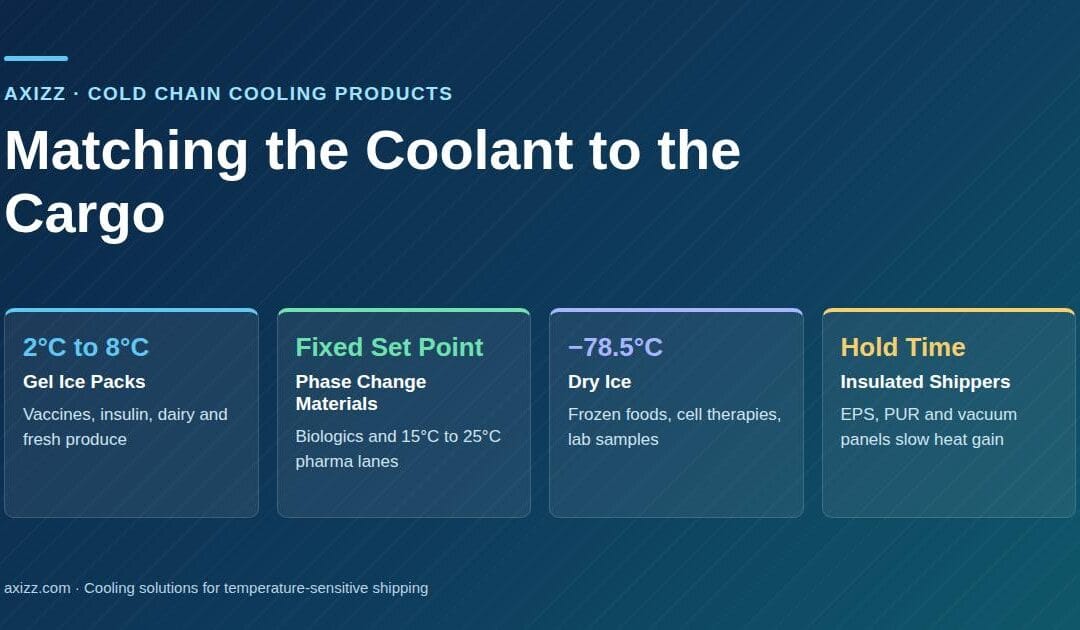
Temperature-controlled packaging in logistics keeps sensitive products within a safe temperature range from the moment they leave the warehouse until they reach the customer. Pharmaceuticals, vaccines, fresh food, and lab samples all depend on it, because even a small temperature swing can ruin product quality, break compliance rules, and cost a business real money.
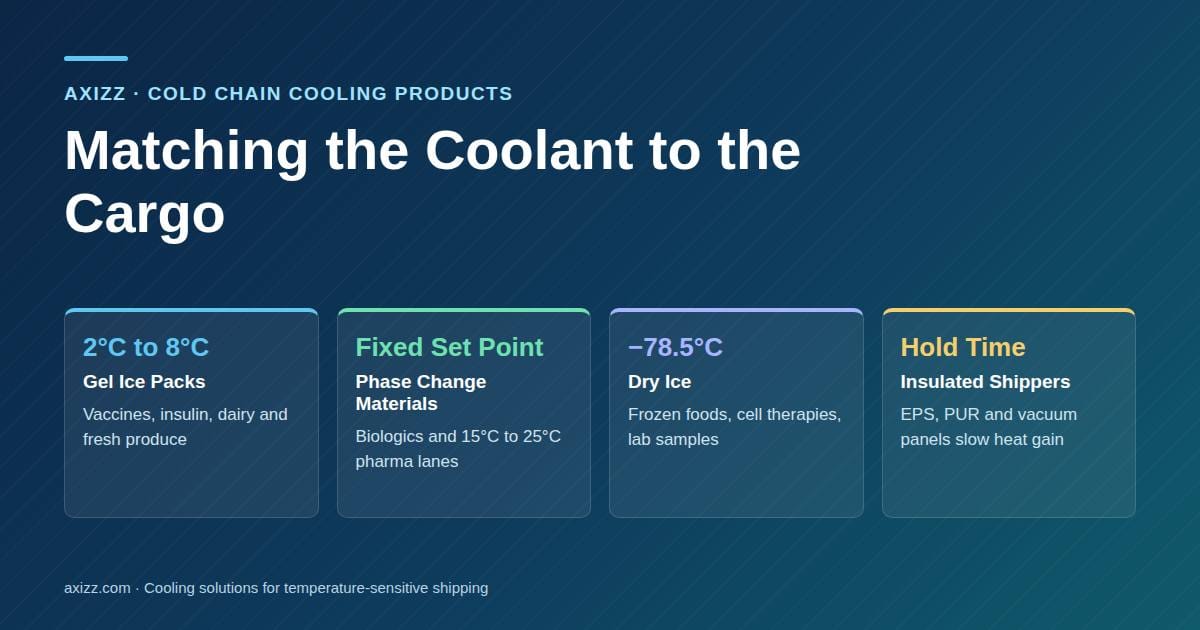
Key Takeaways
- Temperature-controlled packaging protects product quality, safety, and shelf life during shipping and storage.
- Pharmaceutical, food, healthcare, and e-commerce businesses depend on it most.
- Passive systems use insulation and gel packs; active systems use powered refrigeration.
- The right choice depends on transit time, route, product sensitivity, and budget.
What Is Temperature-Controlled Packaging?
In modern logistics, temperature-controlled packaging is a shipping solution designed to maintain stable internal temperatures during transport and storage. These systems combine insulated containers, thermal liners, and refrigerants such as reusable gel ice packs to create a protective environment for temperature-sensitive goods. By limiting exposure to outside heat or cold, businesses make sure products arrive in optimal condition.
Why Temperature-Controlled Packaging in Logistics Matters Today
Global supply chains now cover longer distances, more handoffs, and more climates than ever. Every extra hour in transit raises the risk of a temperature excursion. Reliable temperature-controlled packaging in logistics reduces that risk, lowers product loss, and builds customer trust. For a deeper look at the logistics side, read our guide on why temperature-controlled shipping is essential for modern supply chains.
Industries That Rely on Temperature-Controlled Packaging in Logistics
Pharmaceuticals and Biotechnology
Medications, vaccines, and biological materials need strict temperature management to stay effective. Exposure outside recommended ranges can reduce efficacy and create major financial losses. Reliable cooling helps companies meet regulatory expectations, such as the guidance promoted by the World Health Organization, while protecting patient safety. See also how cooling products improve efficiency in healthcare logistics.
Food and Beverage
Fresh produce, dairy, seafood, meat, and frozen goods require consistent temperature control in transit. The right packaging preserves freshness, prevents bacterial growth, and reduces spoilage, so consumers receive safe, high-quality food and businesses waste less.
E-Commerce and Direct-to-Consumer Shipping
Online retailers now ship perishable and temperature-sensitive items directly to customers over long distances. Packaging must withstand changing weather and delivery delays, so businesses invest in dependable cooling that protects both the product and the customer experience.
Main Types of Temperature-Controlled Packaging in Logistics
- Passive packaging: insulated boxes, thermal liners, and gel ice packs that need no power. Ideal for short to medium transit times.
- Active packaging: powered refrigerated containers that hold a precise temperature on long routes or for high-value cargo.
- Reusable systems: durable containers and reconditioned gel packs that cut cost and waste over time.
- Single-use systems: low-cost solutions for one-way shipments where return logistics are not practical.
Key Benefits of Temperature-Controlled Packaging
- Product integrity: keeps potency, taste, and quality intact.
- Lower losses: fewer spoiled or rejected shipments.
- Compliance: supports regulatory and quality requirements.
- Customer trust: products arrive safe and consistent.
- Cost control: reusable options reduce long-term packaging spend.
How to Choose the Right Temperature-Controlled Packaging
When planning temperature-controlled packaging in logistics, start with the required temperature range of your product, then match it to your transit time, shipping route, and seasonal weather. Test the packaging under real shipping conditions, add a safety margin to the expected hold time, and compare reusable and single-use options against your budget. Our article on choosing the right cooling solution for your business walks through this step by step, and you can explore the innovations driving the future of cooling products to see where the industry is heading.
Conclusion
As supply chains grow more complex and customer expectations keep rising, temperature-controlled packaging in logistics will remain a critical part of global logistics. Companies that apply effective cooling solutions reduce losses, improve product reliability, strengthen customer trust, and keep a competitive advantage. Ready to protect your shipments? Browse our cooling products or contact our team for expert advice.
Frequently Asked Questions
What is temperature-controlled packaging?
Temperature-controlled packaging is a shipping system that keeps products within a set temperature range during storage and transit. It usually combines insulated containers, thermal liners, and refrigerants such as reusable gel ice packs.
Which industries use temperature-controlled packaging the most?
Pharmaceuticals, biotechnology, healthcare, food and beverage, and e-commerce retailers rely on it most. Any business that ships products sensitive to heat or cold can benefit.
What is the difference between active and passive temperature-controlled packaging?
Passive systems use insulation and refrigerants like gel packs and need no power. Active systems use powered refrigeration units to hold a precise temperature, which suits long journeys and high-value cargo.
How long can temperature-controlled packaging keep products cold?
Hold time depends on the container insulation, the amount and type of refrigerant, the outside temperature, and the shipping route. Always match the packaging to your transit time and add a safety margin.
Are reusable gel ice packs a good choice for temperature-controlled shipping?
Yes. Reusable gel ice packs deliver consistent cooling, can be reconditioned many times, and reduce long-term packaging costs and waste.