
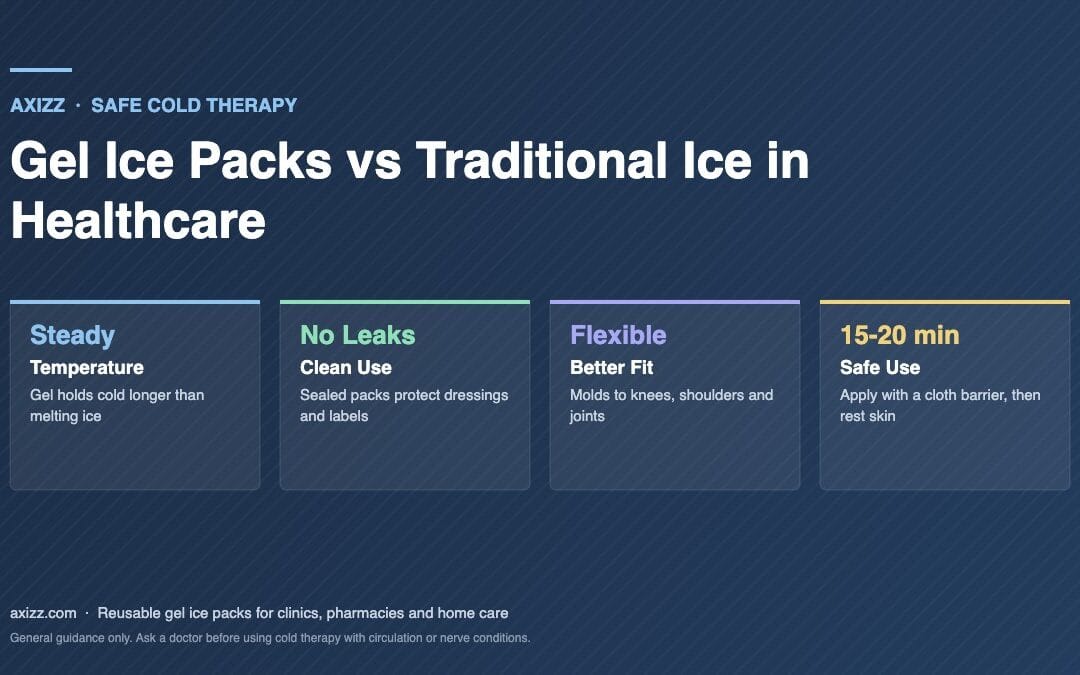
Temperature-controlled packaging in healthcare protects vaccines, medicines, and lab samples by holding them within a safe temperature range from dispatch to delivery. Insulated boxes paired with validated gel packs reduce spoilage, keep patients safe, and help providers meet regulatory expectations.
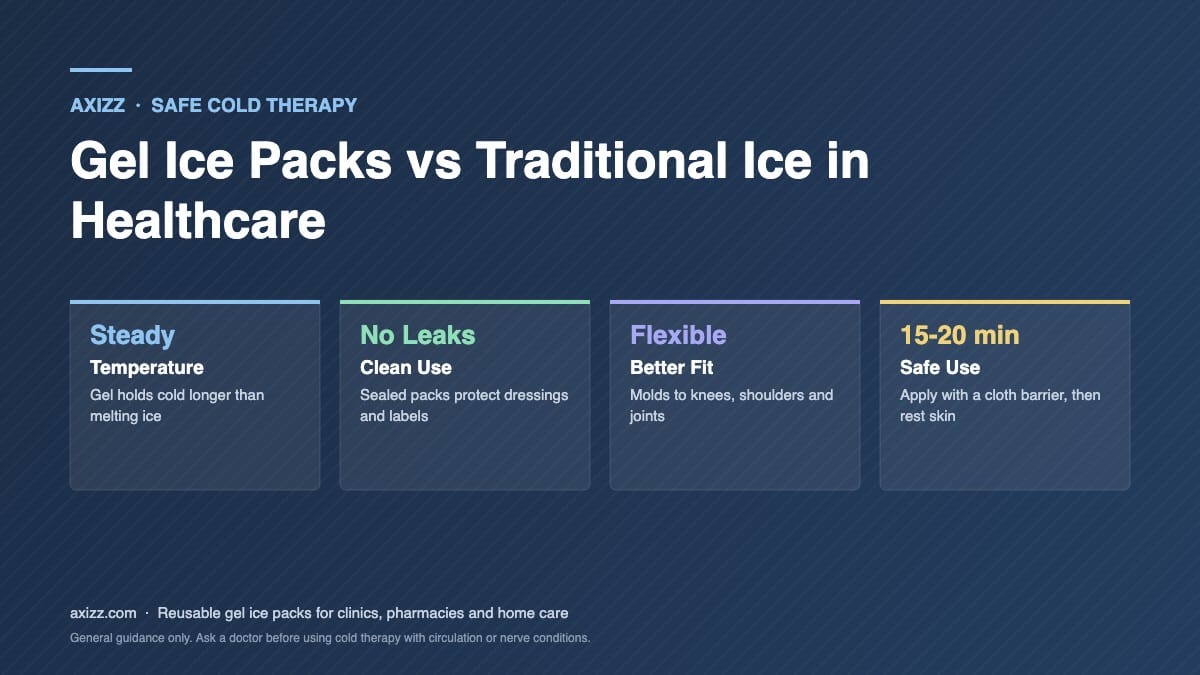
Key Takeaways
- Many medicines and samples lose potency outside set temperatures.
- Insulated boxes plus gel packs hold a stable range.
- Validation and monitoring prove performance.
- Reusable packs lower cost and waste.
Why Temperature-Controlled Packaging in Healthcare Matters
A single temperature excursion can ruin a shipment of vaccines or biologics. Reliable packaging protects both patients and budgets. See cold chain solutions for healthcare logistics.
Key Elements of a Healthcare Cold Chain
- Insulated outer containers.
- Conditioned gel packs for the target range.
- Data loggers to track temperature.
- Clear packing instructions for staff.
Standards and Guidance
The World Health Organization publishes guidance on keeping vaccines within safe temperatures. For product options, read reliable cooling systems for pharmaceutical transportation.
Conclusion
Temperature-controlled packaging keeps healthcare shipments safe and compliant. Explore our gel packs on the products page.
Frequently Asked Questions
What is temperature-controlled packaging?
It is insulated packaging with coolants that keeps products within a set temperature range.
Why is it important in healthcare?
Medicines, vaccines, and samples can lose effectiveness if temperatures drift.
Which coolants are used?
Conditioned gel packs, phase change materials, and sometimes dry ice depending on range.
How do I verify performance?
Use validated packout tests and temperature data loggers.
Are reusable gel packs suitable?
Yes, when conditioned correctly and validated for your route.