
Sustainable cooling technology is any product or system that holds a required temperature while cutting energy use, packaging waste, or high-impact refrigerants. It covers reusable gel ice packs, phase change materials, recyclable insulation, and low-GWP refrigerants. What used to be a niche preference is now a procurement requirement across logistics, healthcare, food, and retail.
Key Takeaways
- Sustainable cooling technology reduces waste and energy use without giving up temperature performance.
- Reusable gel ice packs replace dozens of single-use cooling loads over their service life.
- Phase change materials hold precise ranges such as 5 degrees C or 15 degrees C, not just freezing.
- Recyclable insulated liners are replacing expanded polystyrene foam in ecommerce and meal-kit shipping.
- Most operations reach cost breakeven on reusable cooling within one to two shipping seasons.
- Regulation, retailer mandates, and buyer expectations are all pushing the same direction at once.
Table of Contents
What Is Sustainable Cooling Technology?
Sustainable cooling technology describes the full set of materials, products, and systems designed to keep goods cold with a smaller environmental footprint. The category spans three layers: the coolant itself, the insulation around it, and the equipment or refrigerant that chills it.
The defining test is simple. A cooling solution counts as sustainable when it either gets reused many times, gets recycled through normal municipal streams, or uses a refrigerant with a low global warming potential. Most modern packouts combine all three.
This matters because cooling is not a small slice of global energy demand. The International Energy Agency tracks space cooling as one of the fastest-growing sources of electricity use in buildings, and the UN Environment Programme Cool Coalition works with industry on the same problem across the cold chain.
Why the Cooling Industry Is Under Pressure to Change
Packaging waste has become visible to the end customer
A decade ago, cooling waste stayed inside warehouses. Now a consumer unboxing a meal kit or a medication sees the foam and the plastic directly, and reacts to it. That visibility turned packaging into a brand issue rather than an operations issue.
Refrigerant rules are tightening
High-GWP hydrofluorocarbons are being phased down under programs such as the US EPA HFC reduction framework. Equipment makers are moving to CO2, ammonia, and propane systems, which changes the economics of commercial refrigeration.
Buyers are asking for data, not statements
Procurement teams increasingly ask suppliers for reuse counts, recyclability certification, and packaging weight per shipment. Vague sustainability language no longer clears a vendor review. Companies that can show numbers win the contract.
The Technologies Driving the Shift
Reusable gel ice packs
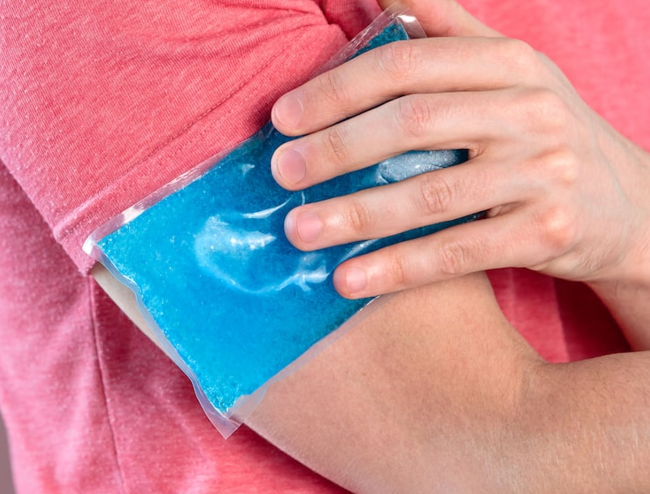
Reusable gel packs are the workhorse of sustainable cold chains. They are refrozen and redeployed hundreds of times, hold their shape under load, and carry no hazardous-material handling requirements. For a closer look at the commercial case, see our guide to reusable gel ice packs for commercial applications.
Phase change materials
PCMs are engineered to change state at a chosen temperature rather than at 0 degrees C. A 5 degree C PCM protects vaccines and biologics from freezing, while a 15 or 22 degree C PCM keeps chocolate, cosmetics, and certain electronics inside a safe band during summer transit. This precision is why PCMs are replacing plain ice in regulated shipping.
Recyclable and curbside-friendly insulation
Paper-based liners, molded fiber, and recycled-content insulation now match expanded polystyrene on hold time for most one and two day shipments. The advantage is disposal: the customer flattens the liner and puts it in the recycling bin instead of the trash.
Low-GWP and natural refrigerants
On the equipment side, walk-in coolers, blast freezers, and transport refrigeration units are moving to CO2 and hydrocarbon refrigerants. These systems often run more efficiently as well, so the emissions saving comes from both the refrigerant and the electricity bill.
Monitoring that removes guesswork
Cheap dataloggers and Bluetooth temperature tags let teams right-size their packouts. Most shippers over-pack coolant because they cannot see what actually happened in transit. Once they can, they typically cut coolant weight while improving compliance. Our overview of the future of temperature-controlled packaging covers this in more detail.
Traditional Cooling vs Sustainable Cooling Technology
| Factor | Traditional cooling | Sustainable cooling technology |
|---|---|---|
| Typical use cycles | Single use | 100 to 500+ reuses per gel pack |
| Waste per shipment | Foam, plastic film, disposable coolant | Recyclable liner, returnable coolant |
| Temperature control | Fixed at 0 degrees C or colder | Tunable 2 to 22 degrees C with PCMs |
| Handling rules | Dry ice is a regulated hazardous material | No hazardous classification for gel or PCM |
| Cost pattern | Low unit cost, repeated every shipment | Higher unit cost, amortized over many cycles |
| Disposal | Landfill in most regions | Curbside recyclable or returned to sender |
How Different Industries Are Being Transformed
Cold chain logistics and food delivery
High shipment volume means small per-box savings scale fast. Reusable packs on regional routes, recyclable liners on consumer deliveries, and tighter packout specs are the three changes with the clearest payback.
Pharmaceutical and clinical shipping
Here the driver is accuracy as much as sustainability. PCM-based packouts protect temperature-sensitive products from both heat excursion and accidental freezing, which is the failure mode wet ice causes most often.
Emergency and medical services
Field teams need cooling that works without power and survives repeated handling. Durable reusable packs fit that profile, as covered in our article on cooling products in medical emergency services.
Retail, ecommerce, and wellness
For consumer brands, the packaging is part of the product experience. Recyclable cooling components reduce complaints, support sustainability claims that survive scrutiny, and often weigh less, which lowers shipping cost.
How to Move to Sustainable Cooling Without Losing Performance
- Map your real temperature risk. Log actual transit temperatures for two weeks before changing anything.
- Define the range, not the coolant. Write the spec as a temperature band and hold time, so you can compare options fairly.
- Run a parallel test. Ship the same route with your current packout and the sustainable packout side by side.
- Check the longest realistic transit, not the average. Packouts fail on the delayed shipment, not the normal one.
- Build the return loop before you scale. Reusable cooling only pays off if packs come back or get reused in-house.
- Track cost per shipment, not cost per pack. That is the number that shows the real saving.
If you are still deciding between formats, our guide on choosing the right cooling solution for your business walks through the trade-offs by use case.
What Comes Next
The next wave is convergence: smarter materials paired with data. PCMs tuned to narrower bands, insulation made from recycled and compostable inputs, and monitoring built into the packaging itself so every shipment reports its own performance.
The practical outlook is that sustainable cooling technology stops being a separate category. It simply becomes how cooling is specified, the same way energy ratings became standard on appliances. Companies that make the transition now build the operational knowledge before it is mandatory. For a broader view, read about sustainable cooling solutions for modern businesses.
Frequently Asked Questions
What is sustainable cooling technology?
Sustainable cooling technology is any cooling product or system that maintains required temperatures while reducing energy use, packaging waste, or high-GWP refrigerants. Common examples include reusable gel ice packs, phase change materials, recyclable insulated liners, and natural refrigerant systems.
Are reusable gel ice packs better for the environment than dry ice?
In most short and mid-range shipments, yes. A single reusable gel pack can replace dozens of single-use cooling loads over its lifetime, it does not sublimate into CO2, and it avoids the hazardous-material handling rules that dry ice requires. Dry ice still has a place in ultra-cold shipping below minus 20 degrees Celsius.
Does sustainable cooling cost more?
The upfront cost is usually higher, but the total cost is lower. Reusable packs and recyclable liners are bought once and cycled many times, which cuts repeat purchasing, storage, and disposal costs. Most operations reach breakeven within one to two shipping seasons.
What is a phase change material in cooling?
A phase change material, or PCM, absorbs and releases heat as it melts and solidifies at a set temperature. Unlike regular ice, which holds 0 degrees Celsius, PCMs can be engineered to hold 5, 15, or 22 degrees Celsius, so products stay inside a precise range instead of freezing.
Which industries benefit most from sustainable cooling technology?
Cold chain logistics, pharmaceutical and clinical shipping, food and meal-kit delivery, ecommerce retail, and sports medicine see the fastest returns, because they move high volumes of temperature-sensitive goods and face the most packaging waste.
How do I switch to sustainable cooling without risking product temperature?
Run a parallel validation shipment first. Send the same route with your current packout and the sustainable packout, log both with temperature dataloggers, and compare hold times. Only roll out once the new configuration meets your temperature range across your longest transit time.