
Reusable ice packs are refillable, freezable cooling units that can be frozen, used, thawed and refrozen hundreds of times without losing cooling performance. They are replacing single-use ice and disposable coolant across healthcare, food distribution, pharmaceutical shipping and everyday cold therapy because they hold temperature longer, cost less per use and produce far less waste.
That shift is reshaping the cooling industry. What used to be a throwaway line item on a shipping invoice is now a reusable asset that companies track, clean and redeploy. Below is a practical look at how reusable ice packs work, where they are used, how they compare to disposables, and how to choose the right one.
Key takeaways
- Reusable ice packs can be refrozen hundreds of times, which cuts cost per shipment dramatically compared with disposable coolant.
- Gel and phase change formulas hold a target temperature far more steadily than water ice, which melts at a single point and then warms fast.
- The biggest adopters are cold chain logistics, healthcare, food service, floral shipping and consumer sports recovery.
- Choosing correctly comes down to four things: freeze point, pack weight, film strength and shape.
- Proper freezing time and handling matter more than pack size for real world performance.
What are reusable ice packs?
A reusable ice pack is a sealed pouch or moulded container filled with a coolant, usually a water based gel, a dry gel powder that is hydrated before use, or a phase change material. The coolant is frozen in a standard freezer, placed beside the goods being protected, and then refrozen once it has thawed.
The outer film is what separates a commercial pack from a cheap consumer one. Industrial packs use multi-layer laminated film or heavy gauge polyethylene that resists puncture, seam splits and repeated freeze cycles. Consumer packs often use a softer film that fails after a season of use.
Formats vary widely. Flat sheet packs slot between product layers, bricks sit at the base of a shipper, flexible compresses wrap around a joint, and bottles deliver heat instead of cold. Axizz manufactures and supplies several of these formats, including FreezEze flexible gel ice packs for shipping and TheraPro cold flexible compresses for therapy use.
Why reusable ice packs are replacing disposable cooling
Lower cost per use
A disposable coolant is paid for on every single shipment. A reusable ice pack is paid for once and then amortised across every cycle it survives. For a distributor sending out even a few hundred cold boxes a month, the crossover point usually arrives within the first quarter, especially where packs are returned as part of a closed loop delivery route.
Significantly less waste
Single-use cooling generates packaging waste on every order. Reusable packs cut that volume down to almost nothing during their service life, which supports the waste reduction targets many buyers now write into supplier requirements. The EPA’s waste reduction guidance puts reuse ahead of recycling in the waste hierarchy for exactly this reason.
More consistent temperature control
Water ice melts at 0°C and then climbs quickly. Gel and phase change coolants absorb heat over a longer window and can be formulated to hold near a specific target, which is what regulated products need. For vaccines and biologics, that stability is the whole point, since storage guidance from bodies like the CDC is written around holding a narrow range rather than simply staying cold.
No meltwater
Because the coolant stays sealed inside the pack, there is no pooling water to soak cartons, labels or documentation. For food and pharmaceutical shippers this alone removes a recurring source of damaged goods and rejected deliveries.
How reusable ice packs work
Three coolant types dominate the market.
- Wet gel packs arrive pre-filled with a water and polymer gel. They are the most common choice for general food and shipping use, freeze in a standard freezer and are ready to use out of the box.
- Dry gel packs ship as a powder inside the pouch and are hydrated with water on site. Because the water is added locally, shipping weight and freight cost drop sharply, which matters for high volume buyers.
- Phase change material (PCM) packs are engineered to change state at a set temperature rather than at 0°C. They are used where a product must stay in a band such as 2–8°C or 15–25°C.
Companies producing their own packs in volume often move to in-house filling and sealing with a gel pack production system, which removes freight cost on water and gives control over pack size and formula.
Where reusable ice packs are used
- Pharmaceutical and vaccine shipping – validated packs hold a narrow band through multi-day transit.
- Food distribution and meal kits – packs keep proteins and dairy below safe limits without meltwater.
- Healthcare and clinics – cold therapy compresses for swelling, post-operative care and injury management.
- Sports and physiotherapy – flexible packs that conform to a knee, shoulder or ankle.
- Floral and horticultural shipping – specialist packs protect cut flowers through hot season transit.
- Veterinary and equestrian care – oversized compresses sized for large animal limbs.
- Field and industrial work – cooling vests and personal cooling gear for heat exposure.
For a deeper look at the logistics side, see our guide on why temperature-controlled shipping matters for modern supply chains and how cooling products improve efficiency in healthcare logistics.
Reusable vs disposable ice packs
| Factor | Reusable ice packs | Disposable cooling |
|---|---|---|
| Cost per shipment | Drops with every reuse | Fixed on every shipment |
| Hold time | Longer, formula dependent | Shorter, melts fast |
| Meltwater | None, coolant stays sealed | Common |
| Waste generated | Minimal during service life | On every order |
| Temperature targeting | Can be tuned to a set band | Single melt point |
| Best suited to | Repeat shippers, closed loops, therapy | One-way, very low volume |
How to choose the right reusable ice pack
Four decisions cover almost every use case.
- Freeze point. Match the coolant to the product band. Standard gel suits general chilled goods, PCM suits regulated ranges.
- Pack weight. Heavier packs hold longer but add freight cost. Size to the actual transit time, not to the worst case you will never ship.
- Film strength. If packs are returned and reused on a route, pay for the heavier film. Seam failure is the usual cause of early retirement.
- Shape and format. Flat sheets for layered cartons, bricks for base loading, flexible compresses for body contact.
Our guide to choosing the right cooling solution for your business walks through this in more detail, and the benefits of reusable gel ice packs for commercial applications covers the procurement side.
How to use and care for reusable ice packs
- Freeze flat for at least 12 to 24 hours before use. Partially frozen packs are the most common reason for a failed shipment.
- Keep packs flat and separated in the freezer so air can circulate around each one.
- Wipe packs clean between uses and inspect seams and corners for pinholes.
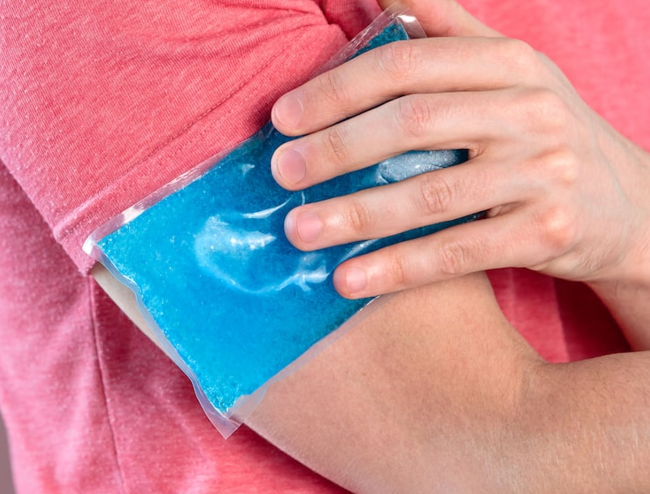
- For cold therapy, wrap the pack in a thin cloth and limit application to roughly 15 to 20 minutes at a time.
- Retire any pack that leaks. A split pack contaminates the load it was meant to protect.
What this means for the cooling industry
The direction of travel is clear. Buyers are asking for packs that are thinner, hold longer and survive more cycles, and manufacturers are answering with better films, targeted phase change formulas and on-site filling systems that remove water from the freight bill. Reusable ice packs are moving from a consumable to a managed asset, tracked and reused the same way pallets and totes already are.
For more on where the category is heading, read about the innovations driving the future of cooling products.
Frequently asked questions
How long do reusable ice packs last?
Commercial-grade reusable ice packs are built for hundreds of freeze and thaw cycles. They are retired when the film or a seam starts to leak rather than after a fixed date, so service life depends mostly on film quality and how they are handled.
How long do reusable ice packs stay cold?
Inside a properly insulated shipper with the right pack weight, reusable ice packs commonly hold a chilled temperature for 24 to 48 hours. Hold time depends on pack weight, insulation quality, ambient temperature and how often the container is opened.
Are reusable ice packs better than regular ice?
For most commercial uses, yes. They hold a target temperature more steadily, produce no meltwater to damage cartons or labels, and cost far less per shipment once they are reused. Regular ice still has a place in very low volume, one-way situations.
How long should you freeze a reusable ice pack?
Freeze the pack flat for at least 12 to 24 hours. A partially frozen pack is the most common reason a cold shipment fails, so allow a full cycle rather than a quick top-up freeze.
Are reusable gel ice packs safe to use with food?
Packs supplied for food distribution use food-safe outer films and are designed to sit beside product, not in contact with it. If a pack splits or leaks, remove it and discard the affected product.
Can reusable ice packs be used for cold therapy?
Yes. Flexible gel compresses are made to stay pliable when frozen so they conform to a knee, shoulder or ankle. Wrap the pack in a thin cloth and limit each application to roughly 15 to 20 minutes.
Axizz supplies reusable ice packs, gel coolants and production systems for commercial and therapy use. Contact our team to match a pack format and freeze point to your application.