

Every business that moves or stores temperature-sensitive products pays for cold. Ice, dry ice, disposable packs, labor, and the cost of spoiled goods all add up quickly. Gel ice pack cost savings come from one simple change: replacing single-use cooling with reusable gel ice packs that can be frozen, used, and frozen again hundreds of times. This guide explains exactly where the money is saved, shows a simple cost example, and helps you decide if reusable packs fit your operation.
Quick Answer: Do Reusable Gel Ice Packs Save Money?
Yes. Reusable gel ice packs reduce costs by lowering how often you buy coolant, cutting product spoilage, avoiding the handling fees and restrictions tied to dry ice, and reducing waste disposal. The savings are largest for businesses with closed-loop cold chains, such as in-house delivery fleets, catering, labs, clinics, and warehouse-to-store transport, where packs come back and get reused.
Key Takeaways
- A reusable gel pack can replace dozens or even hundreds of single-use packs or bags of ice over its life.
- Stable temperatures mean less spoiled food, medicine, and flowers, which is often the biggest hidden cost.
- Gel packs do not create melt water, so there is less damaged packaging and fewer customer complaints.
- Unlike dry ice, standard gel packs are not classed as hazardous materials, which keeps shipping simpler.
- Less disposable coolant means lower waste volume and a stronger sustainability story for customers.
What Are Reusable Gel Ice Packs?
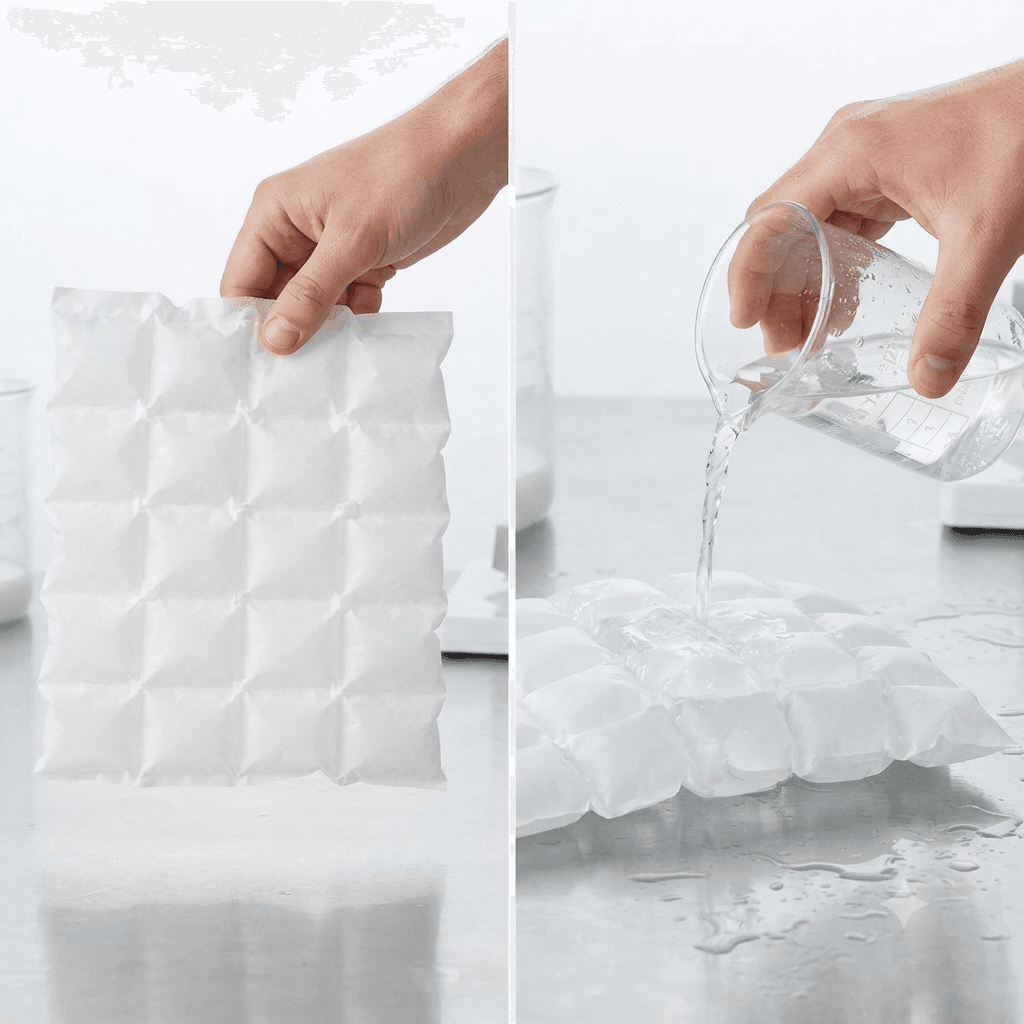
Reusable gel ice packs are sealed pouches or bricks filled with a non-toxic gel that freezes solid and releases cold slowly as it thaws. The gel holds a steady temperature longer than loose ice and stays contained, so there is no puddle of water at the end of a shipment. Heavy-duty options like FREEZEZE gel ice pack refrigerants and FREEZEZE flexible gel ice packs are built with thick, puncture-resistant film so they survive repeated freeze and thaw cycles. If you want a deeper comparison with regular ice, read why gel ice packs are better than traditional ice.
7 Ways Reusable Gel Ice Packs Reduce Business Costs
Here is where gel ice pack cost savings actually show up on your books.
1. Lower Coolant Replacement Costs
Bagged ice and single-use packs are a recurring expense. You buy them, use them once, and throw them away. A durable reusable pack is a one-time purchase that keeps working for months or years. Spread its price across every use and the cost per shipment drops sharply.
2. Less Product Spoilage and Loss
Spoiled inventory is usually a bigger cost than the coolant itself. Gel packs hold a more consistent temperature than loose ice, which protects fresh food, vaccines, biologics, lab samples, and cut flowers. Fewer temperature excursions mean fewer write-offs, fewer reshipments, and fewer refunds. This matters even more in regulated sectors, as covered in our guide to cooling products in pharmaceutical distribution.
3. No Melt Water Damage
Melting ice soaks boxes, labels, and products. That leads to damaged goods, rejected deliveries, and extra packaging costs. Gel stays sealed inside its pouch, so cartons arrive dry and presentable. Food businesses also find it easier to meet sanitary transport expectations like those outlined in the FDA Sanitary Transportation rule.
4. Avoiding Dry Ice Fees and Restrictions
Dry ice is regulated as a hazardous material for air transport, which can mean special labeling, carrier limits, handling fees, and staff training. It also sublimates quickly, so it must be bought close to use. Standard gel packs avoid most of that complexity for shipments that need chilled rather than frozen temperatures, which saves both money and time.
5. Lower Waste Disposal Costs
Single-use coolant turns straight into trash. Reusable packs cut the volume of waste you pay to haul away, and they support company sustainability goals. The EPA tracks how much packaging waste businesses generate, and reducing it is now a common customer and investor expectation. Learn more in sustainable cooling solutions for modern businesses.
6. Faster, More Consistent Packing
Standard-size gel packs make packing predictable. Staff know exactly how many packs go in each box, so there is less guesswork, less over-packing, and faster fulfillment. Consistent packing also makes it easier to train new employees and validate your shipping setup.
7. Lower Energy and Buying Costs Through Planning
Because gel packs can be frozen in bulk ahead of time, you can run freezers on a steady schedule instead of making emergency ice runs. Buying packs in volume also usually lowers the unit price, which improves gel ice pack cost savings even further.
Reusable vs Single-Use Ice Packs: Cost Comparison
| Factor | Reusable Gel Ice Packs | Single-Use Ice or Packs |
|---|---|---|
| Upfront cost | Higher per unit | Lower per unit |
| Cost per use | Very low after repeated use | Full price every time |
| Temperature stability | Steady, slow release | Melts faster and unevenly |
| Melt water | None (sealed gel) | Yes, can damage goods |
| Hazmat handling | Not required for standard gel | Required for dry ice by air |
| Waste generated | Minimal | High, every shipment |
| Best for | Closed-loop and repeat routes | One-way, low-volume shipping |
How Gel Ice Pack Cost Savings Add Up: A Simple Example
The numbers below are illustrative only. Your costs will depend on pack size, supplier pricing, and how many times packs actually come back to you.
- A business makes 1,000 local cold deliveries a month using 2 packs each, so 2,000 packs a month.
- Single-use packs at $0.60 each cost about $1,200 per month.
- Reusable packs at $2.50 each, used 20 times, cost about $0.13 per use. Add around $0.10 for freezing and handling, and the total is about $0.23 per use, or $460 per month.
- Estimated savings: roughly $740 per month, or close to $9,000 per year, before counting reduced spoilage.
The key variable is the return rate. Reusable packs pay off fastest when you control the route and the packs come back. For one-way ecommerce shipments, a return or deposit program can help capture the same savings.
Industries That Save the Most
- Food distribution and delivery: keeps meals, seafood, and produce cold across routes. See why food delivery companies depend on cooling products.
- Healthcare and pharmaceuticals: protects vaccines, samples, and medications. Read how cooling products improve efficiency in healthcare logistics.
- Logistics and 3PLs: supports reliable temperature-controlled shipping at scale.
- Florists: keeps flowers fresh in transit with products like Florist Ice.
- Catering, labs, and events: any operation where coolers go out and come back the same day.
How to Get the Most Savings From Reusable Gel Packs
- Match pack size and count to your box size and transit time, so you do not over-pack.
- Pair packs with insulated shippers or thermal shipping covers to extend cold time.
- Fully freeze packs for at least 24 hours before use.
- Set up a simple return or collection process for repeat customers and routes.
- Inspect packs between uses and retire any with punctures or weak seals.
- Track spoilage and complaints before and after the switch so you can measure real ROI.
Not sure which setup fits your products? Our guide on choosing the right cooling solution for your business walks through the options, and you can also explore the benefits of reusable gel ice packs for commercial applications.
Frequently Asked Questions
How much money can reusable gel ice packs save a business?
Savings depend on volume and return rate, but businesses that reuse packs 15 to 20 times often cut coolant costs by more than half. Reduced spoilage and fewer refunds usually add even more savings on top of that.
How many times can a reusable gel ice pack be used?
A good quality gel pack with thick, puncture-resistant film can be frozen and reused many times, often for months or years, as long as the seal stays intact.
Are gel ice packs cheaper than dry ice?
For chilled shipments, yes. Gel packs can be reused and do not need the hazmat labeling, carrier restrictions, and handling that come with shipping dry ice by air. Dry ice is still the better choice for products that must stay deeply frozen.
Do gel ice packs last longer than regular ice?
Gel packs usually release cold more slowly and evenly than loose ice, and they do not create melt water. Actual hold time depends on pack size, insulation, and outside temperature.
Are reusable gel ice packs safe for food and medical products?
Yes, when you use packs made with non-toxic gel and durable food-safe film. Always keep packs sealed and replace any that are damaged or leaking.
Conclusion
Reusable gel ice packs are one of the easiest ways for a business to lower cold chain costs. They cut repeat coolant spending, protect products from spoilage, remove melt water problems, and reduce waste. For companies with repeat routes or return programs, gel ice pack cost savings can reach thousands of dollars a year.
Ready to lower your cooling costs? Browse our FREEZEZE gel ice pads and other reusable cooling products, or contact the Axizz team for bulk pricing and help choosing the right packs for your business.