
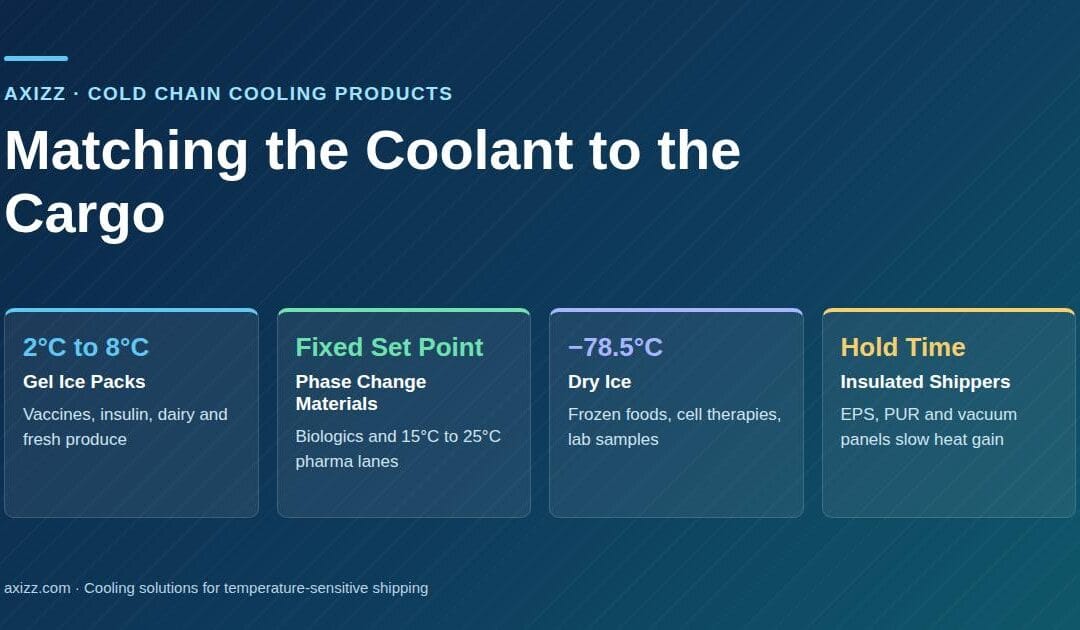
Eco-friendly cooling solutions for industries help manufacturers, food producers, healthcare providers, and logistics teams keep cool while cutting waste and energy use. Importance is growing as rules tighten and customers expect greener operations.
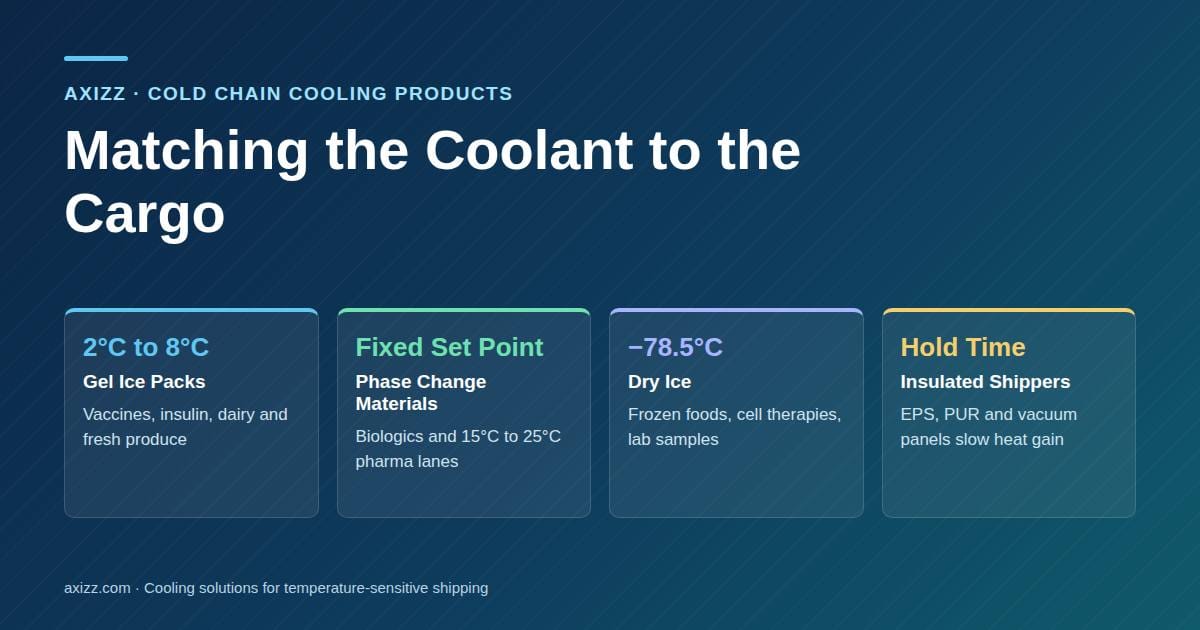
Key Takeaways
- Industries are moving from disposable to reusable cooling.
- Eco-friendly cooling reduces waste and long-term cost.
- Options include reusable gel packs, durable shippers, and cooling wearables.
- Start with an audit of where cooling is used and wasted.
Why Eco-Friendly Cooling Matters
Disposable coolants and foam create waste and cost. Eco-friendly cooling keeps performance while reducing both. See sustainable cooling solutions for modern industries and the popularity of sustainable cooling products.
Eco-Friendly Options
- Reusable gel ice packs: replace single-use coolants.
- Durable insulated shippers: built for repeated trips.
- Cooling vests: reusable heat relief; see cooling vests for outdoor workers.
- Right-sized packaging: less material and cost.
Benefits
- Less waste: fewer disposable items.
- Lower long-term cost: reuse beats repeat buying.
- Reliable performance: steady cooling.
- Brand value: responsible practices.
Getting Started
Audit current cooling, pilot reusable options, and track savings. For guidance, see the EPA SmartWay program, and read sustainable cooling products for logistics and choosing the right cooling solution for your business.
Conclusion
Eco-friendly cooling solutions for industries protect products, people, and the planet. Browse our cooling products or contact our team.
Frequently Asked Questions
What are eco-friendly cooling solutions?
Reusable and efficient cooling products that cut waste and energy use.
Do eco-friendly options cool as well?
Quality reusable options match or beat single-use performance.
Are they cost-effective?
Reuse usually lowers cost per use over time.
Which industries use them?
Food, healthcare, logistics, construction, and manufacturing.
How do I start?
Audit, pilot, track savings, and expand.