

Employee wellness has moved from a nice-to-have to a core part of how well a company runs. In workplaces where heat is simply part of the job, cooling products for workplace wellness are one of the simplest and most effective ways to protect your team. They help people stay comfortable, work safely, and finish a shift without feeling drained.
This guide covers the four main types of cooling products for workplace wellness, how heat affects employees, which options fit different work settings, and what to check before you roll a cooling program out across your team.
What Are Cooling Products for Workplace Wellness?
Cooling products for workplace wellness are wearable or portable items designed to lower body temperature, or slow how fast it rises, while someone is working. Most of them rely on evaporation, phase change materials, or gel that holds cold for a set period. Common examples include cooling vests, cooling towels, neck bandanas, visor caps, and gel-based cold packs.
Unlike air conditioning, these products travel with the worker. That matters on a loading dock, a construction site, a warehouse aisle, or a delivery route where the environment cannot be controlled, and it is the main reason cooling products for workplace wellness fit jobs that fixed cooling systems cannot reach.
How Heat Affects Employee Health and Performance
Heat stress builds quietly. Long before anyone shows obvious symptoms, the body is already spending energy on cooling itself instead of on the task at hand. The effects show up in a few predictable ways:
- Weaker concentration. Accuracy and decision making drop as core temperature climbs, which raises the chance of costly mistakes.
- Faster fatigue. Workers tire earlier in the shift and need longer to recover between tasks.
- Dehydration. Heavy sweating drains fluid and electrolytes, bringing headaches, cramps, and dizziness.
- Higher accident risk. Slower reaction time around vehicles, machinery, and heights is a real safety problem.
- More absences. Heat-related illness pulls people off the schedule and puts pressure on everyone still on the floor.
The U.S. Occupational Safety and Health Administration treats heat as a recognized workplace hazard and expects employers to plan for it. Their guidance on heat illness prevention is a good starting point for the compliance side.
Types of Cooling Products That Support Workplace Wellness
There is no single product that fits every job. Most teams end up using a small mix of cooling products for workplace wellness, matched to how hot the site gets and how physical the work is.
Cooling Vests
A cooling vest sits against the torso, where the body holds the most heat, so it is the highest-impact item among cooling products for workplace wellness. Phase change and evaporative versions hold a steady temperature for several hours, which usually covers a full shift with one swap. The COOLMOR Cooling Vest and the COOLMOR Cooling Pullover Vest are both built for daily industrial use. For more on the safety side, see our breakdown of how cooling vests improve workplace safety.
Cooling Towels and Neck Bandanas
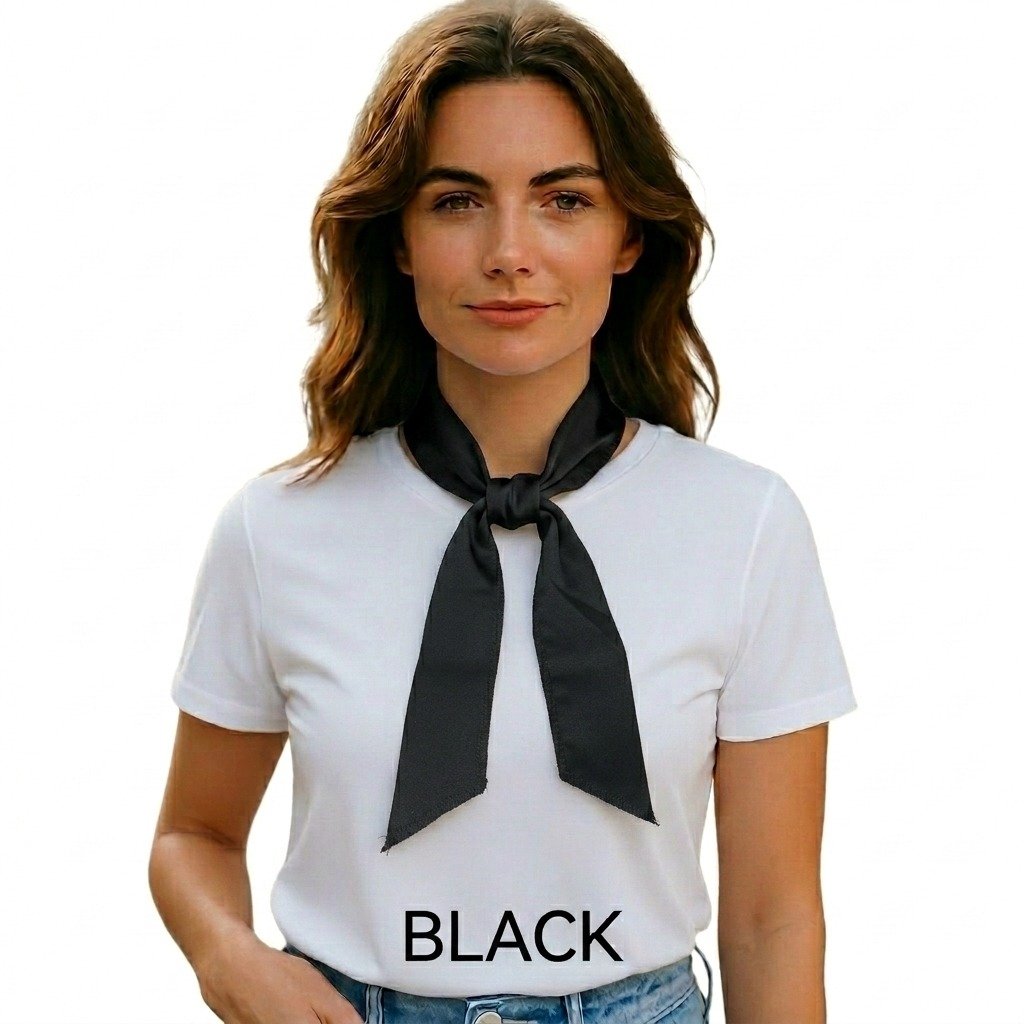
The neck carries major blood vessels close to the skin, so cooling there brings relief quickly. A cooling neck bandana is light, affordable enough to issue to a whole crew, and easy to rewet during a short break. It is often the first item companies hand out when they start a heat program.
Cooling Hats and Visors
Direct sun on the head and face wears people down faster than most managers expect. A cooling visor cap or a cooling garden hat adds shade and evaporative cooling at the same time, which helps outdoor crews stay steady through the middle of the day.
Gel Ice Packs and Cold Compresses
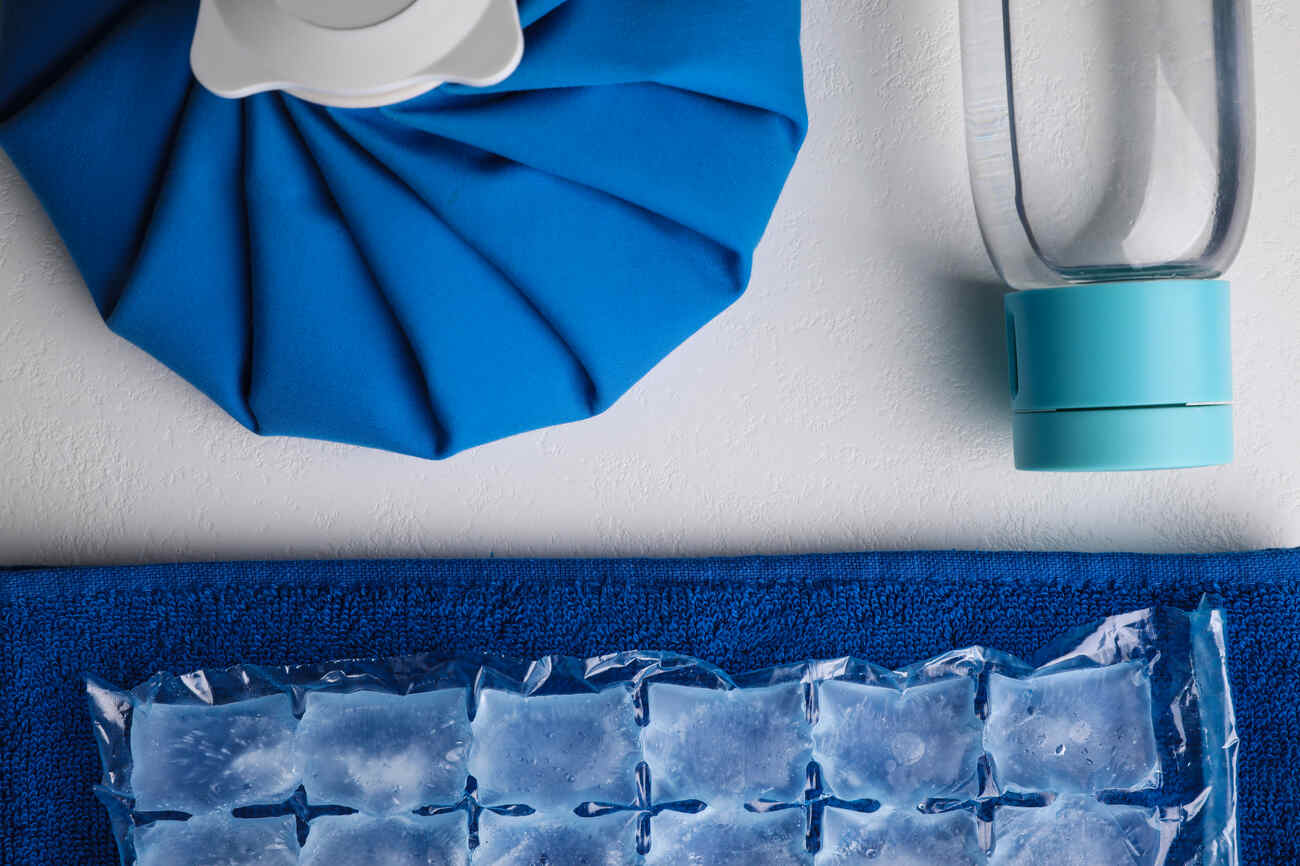
Gel packs cover both prevention and recovery, which is why they sit in almost every set of cooling products for workplace wellness. Kept in a break room freezer, they bring someone down quickly after heavy exertion, and a flexible cold compress handles minor strains and swelling on site before they turn into lost time. Here is why gel ice packs work better than traditional ice for workplace use.
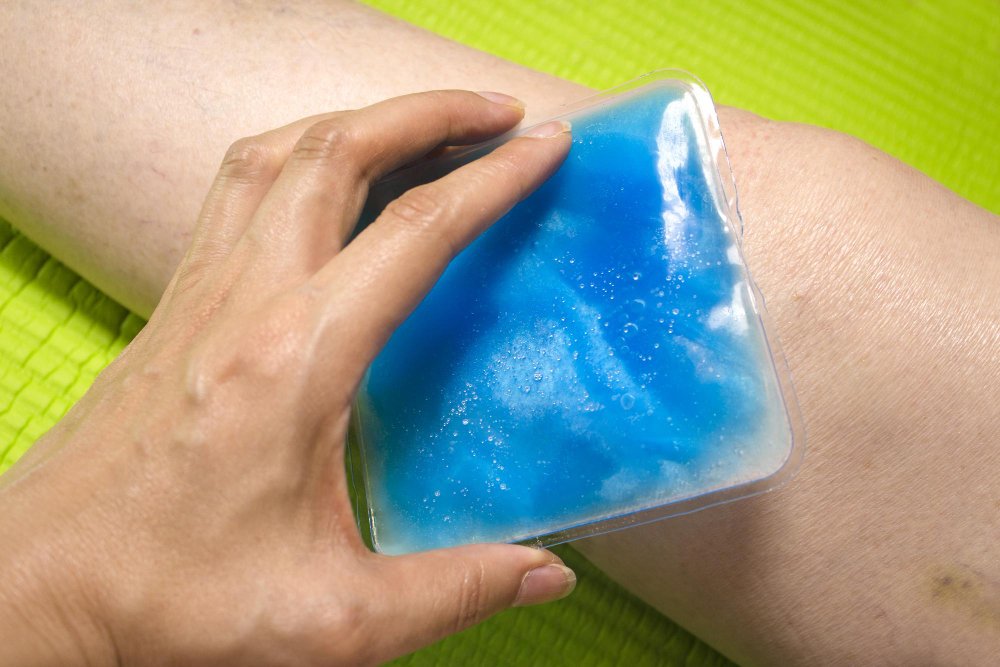
Cold therapy also has a place after the shift ends. Our guide on how cold therapy products support everyday wellness covers that in more detail.
Business Benefits of a Workplace Cooling Program
Cooling products for workplace wellness are usually treated as a comfort item, but the returns show up on the operations side just as clearly:
- Steadier productivity through the hottest hours of the day, instead of a sharp afternoon drop.
- Fewer incidents tied to fatigue, dizziness, and slow reaction time.
- Lower absenteeism because fewer people are recovering from heat exhaustion.
- Better retention. Crews notice when a company spends money on their comfort, and they stay longer.
- Easier compliance with heat safety expectations and internal audits.
- Low cost per worker. Reusable gear spreads across many shifts, so the per-day cost is small.
Industries That See the Biggest Impact
Any workplace with heat exposure benefits from cooling products for workplace wellness, but a few sectors get results almost immediately:
- Construction and roadwork, where crews work in full sun with heavy protective gear.
- Warehousing and logistics, especially in facilities without full climate control.
- Manufacturing, where ovens, presses, and machinery add heat to the room itself.
- Agriculture and landscaping, with long outdoor shifts through peak season.
- Food service and delivery, combining hot kitchens with vehicles that heat up fast.
- Emergency and field services, where responders cannot pause to cool off.
If your team works in one of these settings, our post on cooling accessories for high-temperature environments goes deeper into product selection.
How to Choose the Right Cooling Products for Your Team
Before ordering cooling products for workplace wellness, walk through these six points with the people who actually do the work:
- Shift length. Match the cooling duration to the shift so nobody is stuck with warm gear halfway through.
- Activity level. Heavy lifting and constant movement need more cooling capacity than seated or light work.
- Humidity. Evaporative products lose effectiveness in humid air. Phase change and gel options hold up better.
- Reusability. Reusable gear costs less over a season and creates far less waste than disposables.
- Fit and comfort. Order a real size range. Gear that does not fit properly gets left in the locker.
- Care and storage. Confirm you have freezer space, drying racks, or whatever the product needs between uses.
Our guide to choosing the right cooling solution for your business walks through the same decision with specific examples.
Frequently Asked Questions
How long do cooling products stay cold?
It depends on the type. Evaporative towels and bandanas typically last one to two hours before they need rewetting. Phase change vests usually hold their temperature for two to four hours, and gel packs vary by size and starting temperature. Most cooling products for workplace wellness need a mid-shift swap, so teams keep a second set on hand.
Are cooling products reusable?
Yes. Vests, towels, bandanas, hats, and gel packs are all designed for repeated use. With basic cleaning and correct storage, a single set lasts through a full season or longer, which is what makes them cost-effective compared to disposable options.
Do cooling products work in high humidity?
Partly. Evaporative towels and bandanas rely on moisture leaving the fabric, so they fade fast in humid air. In those conditions, choose phase change vests or gel packs, which cool by direct contact and are not affected by the moisture already in the air.
Do cooling products replace water breaks and rest periods?
No, and they should never be presented that way. Cooling gear works alongside hydration, shaded rest breaks, and sensible scheduling. Think of it as one layer of a heat plan rather than the whole plan.
Which cooling product is best for outdoor work?
For most outdoor crews, a cooling vest paired with a neck bandana or visor cap covers the largest share of the problem. The vest handles core temperature, and the neck and head items deal with direct sun and quick relief.
Making Wellness Part of the Everyday Routine
Heat is not a seasonal surprise for most operations. It is a known condition that shows up on the schedule every year, and it can be planned for like any other risk. Cooling products for workplace wellness give employers a practical, affordable way to protect people while keeping output steady through the hottest stretch of the year.
Axizz supplies cooling and cold therapy products built for commercial and industrial use. Browse the full cooling product range or get in touch with our team for help putting a program together for your workplace.