
Cooling products demand is rising fast across every major industry. Cooling products are designed to lower body or product temperature, reduce heat stress, and protect temperature-sensitive goods. Demand for these products is growing because heatwaves are becoming more frequent, workplace safety expectations are rising, and healthcare, logistics, and sports organizations increasingly depend on cooling technology to protect people and products.
Key takeaways
- Cooling products reduce heat stress for workers, athletes, and patients.
- Temperature-controlled logistics relies on cooling technology to protect pharmaceuticals, vaccines, and food.
- Reusable cooling products support sustainability goals by reducing single-use waste.
- Demand is expected to keep growing as heat exposure and safety standards increase across industries.
Why cooling products demand is rising
The main driver is climate. Rising global temperatures and more frequent heatwaves expose people to conditions that affect health, concentration, and productivity. Businesses are responding by investing in equipment and products that keep people safe during hot weather and keep operations running smoothly.
Cooling products are also becoming more practical. Modern designs are lighter, more durable, and easier to use across a range of environments, which has widened their appeal beyond specialist uses.
Industrial workplaces and heat stress protection
Workers in construction, manufacturing, transportation, and agriculture are often exposed to high temperatures for long periods. Heat stress can lead to fatigue, dehydration, and serious illness, so employers have a clear incentive to provide protection. Common options include cooling vests, neck wraps, gel ice packs, and cooling blankets that help lower core body temperature and make hot work more manageable.
Employers can strengthen these measures by following established guidance, such as the heat illness prevention resources from the U.S. Occupational Safety and Health Administration (OSHA), which covers water, rest breaks, acclimatization, and monitoring.
Healthcare applications of cooling technology
Healthcare is another major user of cooling products. Clinicians rely on cold therapy to manage pain, reduce swelling after injury, support rehabilitation, and aid recovery after surgery. Cooling solutions are valued because they are simple to apply, can be targeted to specific areas, and help patients feel more comfortable during treatment.
As healthcare providers focus more on patient comfort and recovery outcomes, demand for reliable, hygienic, and easy-to-use cooling solutions continues to grow.
Temperature-controlled logistics and cold chain protection
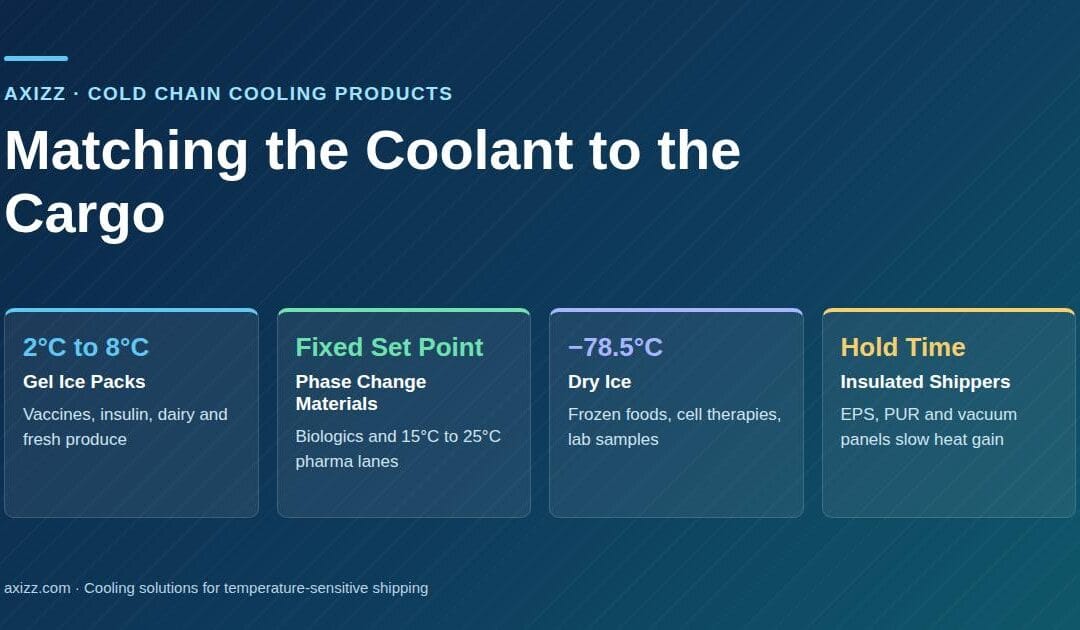
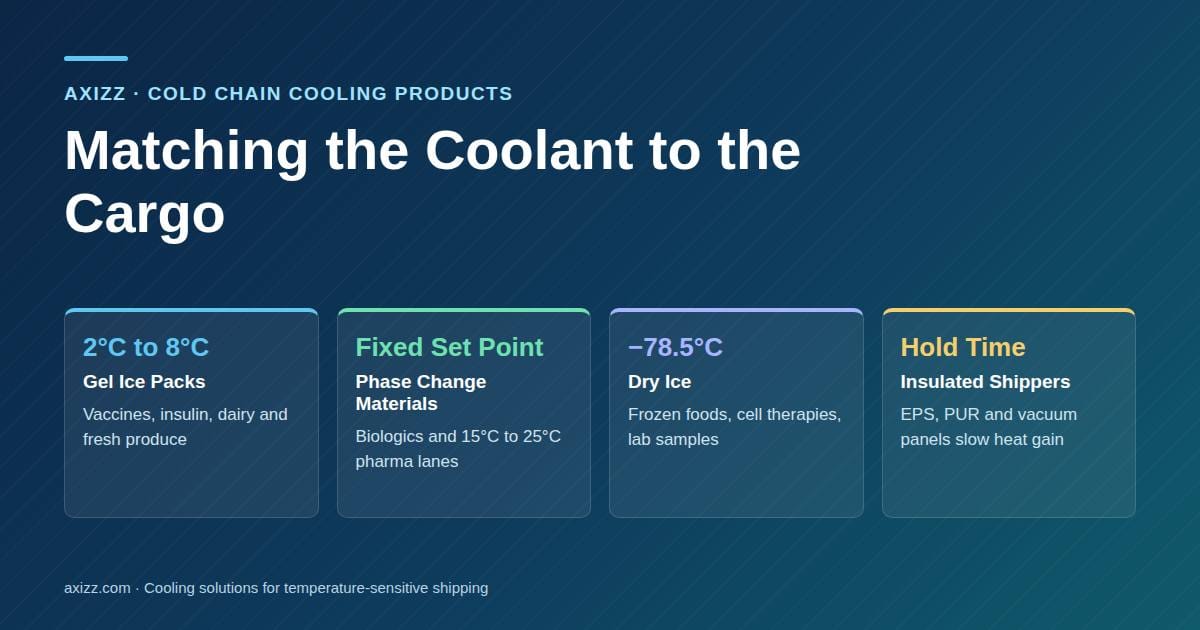
Cooling technology is central to temperature-controlled logistics. Pharmaceuticals, vaccines, biological samples, and food products must stay within strict temperature ranges from production to delivery. Even short temperature deviations can reduce product quality, cause regulatory problems, or lead to costly losses.
Reliable cooling solutions help businesses maintain product integrity, meet compliance requirements, and reduce waste. For this reason, cold chain managers treat cooling performance as a core part of their operations rather than an optional extra.
Sports, fitness, and athlete recovery
Sports teams, fitness centers, and individual athletes use cooling products to manage muscle soreness, reduce recovery time, and support performance between training sessions. Cooling is widely used after intense exercise and during hot-weather training, where heat can increase fatigue and slow recovery.
Many training programs now include cooling as a standard part of recovery planning, alongside hydration, sleep, and structured rest.
Everyday uses and sustainability
Consumers also use cooling products in daily life. They help with managing summer heat, recovering from exercise, treating minor injuries, and transporting temperature-sensitive items such as medication or food.
Reusable cooling products offer added value because they reduce the waste associated with single-use alternatives. As buyers pay more attention to environmental impact, durable and reusable designs are becoming an important selling point.
Future outlook for cooling products demand
Cooling products are becoming more efficient, durable, and versatile. Businesses that invest in better cooling solutions can improve safety, increase productivity, protect valuable products, and enhance customer satisfaction. As heat exposure and quality expectations continue to rise across industries, cooling technology will remain an important part of modern operations.
Want to go deeper into cooling products demand? Read how to choose the right cooling solution for your business, see how cooling vests improve workplace safety, and explore the innovations driving the future of cooling products. You can also browse our cooling products directly.
Frequently asked questions
What are cooling products used for?
Cooling products are used to reduce heat stress, manage body temperature, support injury and recovery care, and keep temperature-sensitive goods within safe limits. Common examples include cooling vests, gel ice packs, cooling wraps, and cooling blankets.
Which industries use cooling products the most?
Industrial workplaces, healthcare facilities, logistics and cold chain operators, and sports and fitness organizations are among the largest users of cooling products. Demand is also growing among everyday consumers.
Are reusable cooling products sustainable?
Reusable cooling products are generally more sustainable than single-use alternatives because they reduce packaging and waste over their lifetime. Their environmental benefit depends on durability, materials, and how often they are reused.