

Sustainable cold chain packaging has moved from a nice-to-have to a real business requirement. Sustainability is now a major focus for companies operating within modern supply chains, and teams are under pressure to reduce waste, lower emissions, and improve resource efficiency without loosening standards for product protection. Cooling products sit right at the centre of that balancing act.
This guide looks at how the right cooling choices support both goals at once: keeping temperature-sensitive shipments safe, and shrinking the environmental footprint that comes with moving them.
Why Sustainable Cold Chain Packaging Matters Now
Cold chain shipping has always been resource-heavy. Single-use foam coolers, disposable ice, and over-packed boxes create a lot of material that gets thrown away after one trip. Multiply that across thousands of shipments a year and the waste adds up fast.
Sustainable cold chain packaging tackles the problem from two directions. It cuts the material leaving your building, and it reduces the product losses that happen when temperature control fails. Both show up on the balance sheet, not just in a sustainability report.
Customers have noticed too. Buyers increasingly ask suppliers how their packaging is sourced, whether it can be reused, and what happens to it at end of life. Having a clear answer is becoming part of winning the contract.
Reusable Gel Ice Packs vs Disposable Cooling
Reusable gel ice packs offer a practical and environmentally responsible alternative to disposable cooling materials. Their long lifespan reduces waste while still providing reliable temperature control for temperature-sensitive shipments.
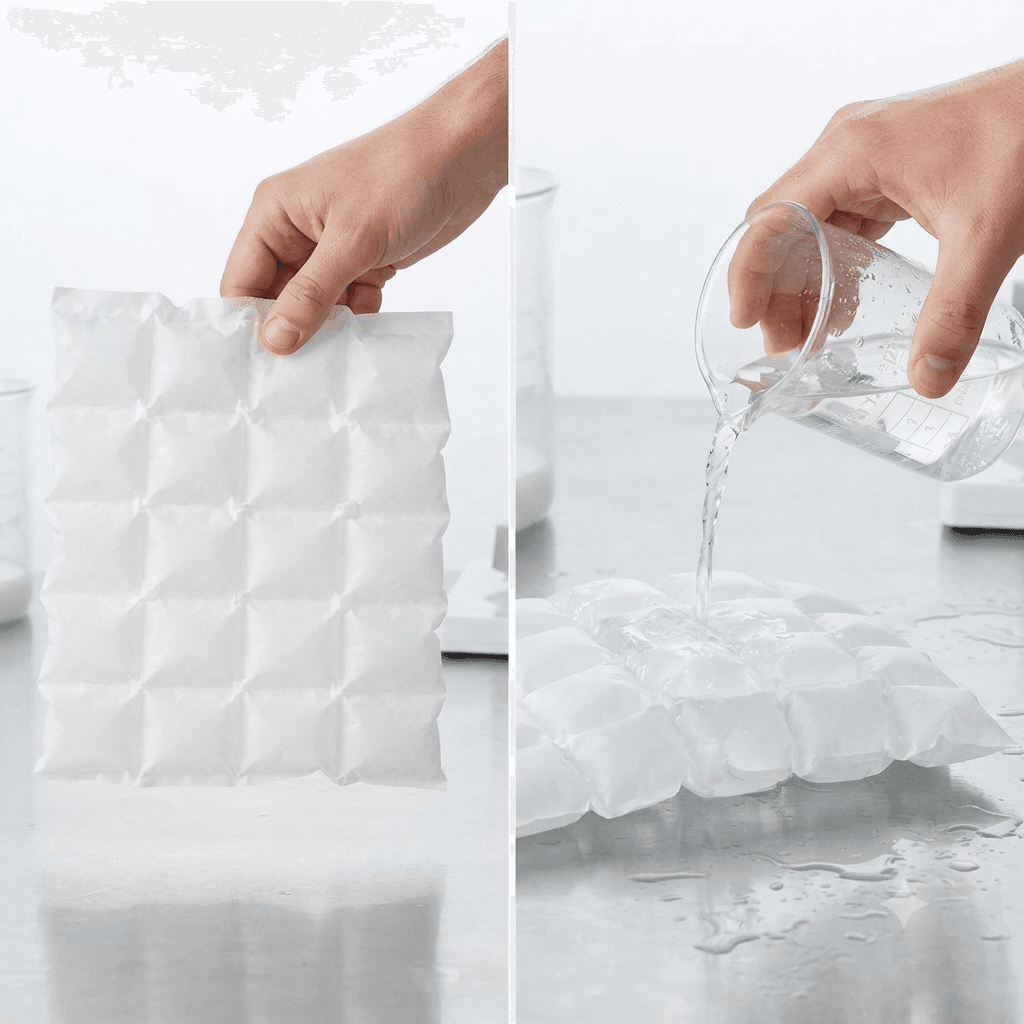
A single reusable pack can replace dozens of disposable equivalents over its working life. The pack is frozen, shipped, returned or reused locally, then frozen again. That cycle is the core idea behind sustainable cold chain packaging: keep the same material in service instead of buying it over and over.
Reusable packs also perform better in several practical ways:
- A consistent phase-change temperature, so cooling behaviour is predictable
- No meltwater leaking into the box and damaging labels or product
- Flexible formats that sit tightly around goods and cut down on void fill
- Durable outer film that survives repeated freeze-thaw cycles
For businesses shipping pharmaceuticals, food, cosmetics or lab samples, that combination of performance and sustainability makes reusable packs the preferred choice.
Less Spoilage Means Less Waste
Advanced cooling technologies also help reduce product spoilage during transportation. By maintaining stable temperatures, businesses protect valuable inventory and minimise losses caused by temperature excursions.
This is the part of sustainable cold chain packaging that often gets overlooked. A spoiled shipment wastes far more than the box it travelled in. It wastes the raw materials, the energy used to manufacture the product, the fuel burned to move it, and then the fuel burned again to replace it. Preventing one excursion saves all of that at once.
The environmental cost of wasted goods is usually much larger than the cost of the packaging around them, which is a central point in the EPA’s sustainable materials management approach. That makes reliable temperature control one of the highest-leverage sustainability moves available in logistics.
Building Sustainable Cold Chain Packaging Into Operations
Many organisations are folding sustainable cooling products into broader environmental initiatives. These efforts support sustainability targets while also improving operational efficiency and reducing long-term costs.
A few practical steps make the switch easier:
- Audit what you ship. Record how much disposable cooling material leaves the building each month and what it costs.
- Right-size the packaging. Oversized boxes need more coolant and more fuel. Matching box size to product cuts both.
- Test before you switch. Run qualification shipments on your actual routes and in your actual seasons, not just in a lab.
- Set up a return path. Reusable only pays off if packs come back. Prepaid return labels or route-based collection make that work.
- Train the packing team. The best sustainable cold chain packaging still fails if packs are positioned wrong inside the box.
Start with one lane or one product line. A small pilot gives you real numbers to build the wider rollout on.
Choosing the Right Cooling Products
Not every shipment needs the same setup. Match the pack to the temperature range you actually need to hold, the transit time, and the ambient conditions along the route. A two-day summer ground shipment and an overnight winter air shipment call for very different solutions.
Axizz supplies reusable gel packs and cooling products built for repeat use, and our team can help you match a format to your shipping profile.
Final Thoughts
As environmental responsibility becomes more important to consumers and businesses alike, sustainable cold chain packaging will keep shaping the future of logistics and supply chain management. Companies that move early get the operational savings first, and they have the documentation ready when customers start asking questions.
The good news is that this is not an all-or-nothing change. Swapping disposable cooling for reusable packs on a single lane is enough to start, and the results usually make the case for everything after that.
Want help choosing the right cooling products for your shipments? Get in touch with the Axizz team.