
Cold chain packaging is the difference between a shipment that arrives usable and one that gets written off at the dock. As global logistics networks stretch across longer routes and more climate zones, what surrounds the product matters as much as the truck, container, or aircraft carrying it. Pharmaceuticals, fresh food, biologics, and cut flowers all pass through handoffs where a few hours outside the safe range can ruin an entire load.
What Is Cold Chain Packaging?
Cold chain packaging is the insulated system that keeps a product inside its required temperature range from the moment it leaves the facility until someone opens the box. A complete system has three parts: an insulated container, a refrigerant that absorbs heat, and a way to verify the temperature actually held during transit.
Get one part wrong and the other two cannot save the shipment. A premium insulated shipper with the wrong coolant load still fails on a three-day route, and a perfect coolant load inside a thin corrugated box fails on the first hot loading dock.
Why Cold Chain Packaging Matters More Than Ever
Three things changed at once. E-commerce pushed temperature-sensitive goods out of controlled warehouse-to-warehouse lanes and into residential delivery. Regulators tightened documentation requirements for medical and food shipments. And buyers started asking suppliers what happens to the packaging after the box is opened.
Pharmaceuticals and medical supplies
Vaccines, biologics, diagnostic samples, and many injectables have narrow, documented temperature windows. A failed shipment is not just lost product, it is a compliance event that has to be investigated and reported. This is where cold chain packaging gets validated rather than assumed: the pack-out is tested against a route profile before it is ever used commercially.
Food and perishables
The U.S. Food and Drug Administration notes that chilling food to proper temperatures is one of the best ways to slow bacterial growth, and the same principle governs transit. Seafood, dairy, prepared meals, and meal-kit boxes all rely on cold chain packaging to hold that line through unpredictable last-mile delays.
Florals, cosmetics, and specialty goods
Cut flowers wilt, chocolate blooms, and some cosmetics separate. These products rarely carry a regulatory temperature spec, so packaging is what protects the brand. Products such as florist ice gel exist specifically for shippers who need reliable chill without meltwater damaging the goods.
The Building Blocks of a Reliable System
Refrigerants
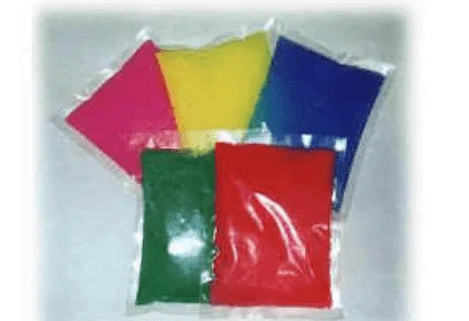
Gel packs are the workhorse of cold chain packaging. They are predictable, reusable, safe to handle, and easy to freeze with standard equipment. Dry ice goes colder but adds handling rules, air freight paperwork, and sublimation loss. For most chilled and frozen lanes, a properly sized set of gel ice packs is the simpler and cheaper answer.
Insulated shippers and liners
EPS foam, polyurethane, and recycled paper liners each trade cost against thermal performance and disposal. The right choice depends on transit time, ambient conditions, and whether the receiver can actually recycle what arrives at their door.
Sealing and pack-out
Pack-out is the layout: where coolant sits relative to the product, how void space is filled, and how the whole thing is sealed. A clean seal keeps meltwater and condensation away from labels and product. Facilities that fill their own packs usually keep a heat sealer replacement kit on hand so a worn element never stops a shift.
7 Proven Ways to Improve Cold Chain Packaging
- Test against real route data, not averages. Pull the worst summer and winter profiles for your actual lanes and build the pack-out for those.
- Size the coolant to the longest realistic transit, then add a buffer. Most failures come from delays, not design.
- Standardize the pack-out. Written, photographed instructions cut variation between shifts more than any material upgrade.
- Separate product from direct coolant contact. Frozen gel against a chilled product causes freeze damage as often as heat causes spoilage.
- Fill the void space. Air moves heat, so loose fill and correctly sized boxes slow the transfer down.
- Add a temperature indicator to high-value shipments. Data turns a customer complaint into a solvable problem.
- Plan the return trip. Reusable components only save money if customers send them back, which means telling them how.
Reusable vs. Single-Use Cold Chain Packaging
Reusable systems win on cost per shipment and on waste, but only where you control both ends of the lane or run a closed loop with regular customers. Single-use makes sense for one-way consumer shipments where recovery is unrealistic. Plenty of shippers run both: reusable cold chain packaging for wholesale and clinic routes, single-use for direct-to-consumer orders. Manufacturing-grade cooling products are usually the starting point for teams building a closed-loop program.
Digital Monitoring Closes the Gap
Data loggers and connected sensors have moved from expensive extras to standard practice on high-value lanes. Real-time visibility lets a team reroute a load before it goes out of spec instead of finding out at delivery. Over time that data is also the cheapest way to right-size cold chain packaging, because you learn exactly where you are over-packing and paying for weight you never needed.
Cold Chain Packaging Mistakes to Avoid
- Freezing gel packs in an under-powered freezer, so they ship out only partly frozen.
- Reusing an insulated liner past its useful life because it still looks intact.
- Designing for the average day instead of the hot day.
- Skipping the pack-out photo in training, then blaming the material when a shipment fails.
- Ignoring the last mile, where a box can sit on a porch for hours.
Cold Chain Packaging FAQs
How long will gel ice packs keep a shipment cold?
It depends on coolant mass, insulation quality, and ambient temperature. A typical insulated shipper with a correctly sized gel pack load holds a chilled range for roughly 24 to 72 hours. The only reliable number comes from testing your own pack-out on your own route.
Is dry ice better than gel packs?
Only when you need frozen temperatures colder than gel can hold. Dry ice brings shipping restrictions, ventilation requirements, and higher cost. For standard chilled shipping, gel is usually the better fit.
What temperature range does cold chain packaging need to hold?
Common targets are 2 to 8 degrees Celsius for many pharmaceuticals, 0 to 4 degrees for fresh food, and minus 20 or lower for frozen goods. Your product specification sets the target; the packaging just has to hold it through the worst leg of the trip.
The Bottom Line
Good cold chain packaging is not the most expensive box on the shelf. It is a tested combination of insulation, refrigerant, and pack-out discipline matched to the route a shipment actually takes. Line those three up and spoilage drops, claims drop, and customers stop telling you it arrived warm.