
Dry gel packs for temperature-sensitive shipping help businesses move food, medicines, cosmetics and lab goods without spoilage or damage. They hold cold steadily, never turn into puddles and can be reused many times. Axizz makes reusable gel packs for these needs.
Key Takeaways
- Dry gel stays contained, so packaging stays intact.
- Steady cooling protects products with strict temperature limits.
- Insulation, pack count and placement all affect results.
- Test routes and seasons before relying on any setup.
Why Dry Gel Packs for Temperature-Sensitive Shipping Work
Temperature-sensitive goods lose value quickly when they warm up or freeze unexpectedly. Dry gel packs for temperature-sensitive shipping release cold slowly and evenly, which helps parcels stay within range through delays. Because there is no meltwater, labels, paperwork and products stay clean.
5 Proven Tips for Shipping With Dry Gel Packs
1. Know your temperature range
Write down the minimum and maximum temperature for each product, and choose a pack and insulation designed for that range.
2. Pre-condition packs fully
Freeze or chill packs for the full time recommended so they start at the right temperature. Partly frozen packs fail early.
3. Insulate the shipper
A quality insulated box or liner can double the time a pack stays effective. Never rely on gel alone.
4. Place packs around the product
Surround the product with packs rather than putting one on a single side, to reduce warm spots.
5. Test on real routes
Use data loggers on your longest, hottest route and adjust the number of packs before scaling up.
Practical Tips
- Ship early in the week to avoid weekend delays.
- Choose express service for sensitive goods.
- Fill empty space to limit air movement.
- Label boxes clearly with handling instructions.
- Keep records of packing and temperature results.
Building a Repeatable Process for Dry Gel Packs
Document your packing method with photos so every team member packs the same way. Dry gel packs for temperature-sensitive shipping work best when the process is consistent and tested. Review failed shipments, adjust and update the guide. Over time, a refined process for dry gel packs for temperature-sensitive shipping reduces losses and improves customer satisfaction.
Cost and Sustainability
Reusable dry gel packs spread their cost over many shipments, and they reduce single-use waste compared with disposable coolants. If customers can return packs, a simple reuse loop can cut costs further. Compare total cost per delivered order, including damaged goods and refunds, when you evaluate packaging changes.
Common Mistakes to Avoid
- Using too few packs for long transit times.
- Letting packs warm before packing.
- Skipping temperature tests in summer or winter extremes.
- Ignoring local rules for regulated goods.
Avoiding these mistakes often improves performance more than buying more expensive packaging.
Seasonal Adjustments for Shipping
Summer needs extra coolant, better insulation or faster services, while winter can require protection from freezing for products that must not drop below zero. Run seasonal tests and update your packing guide before each peak period.
When to Choose a Different Solution
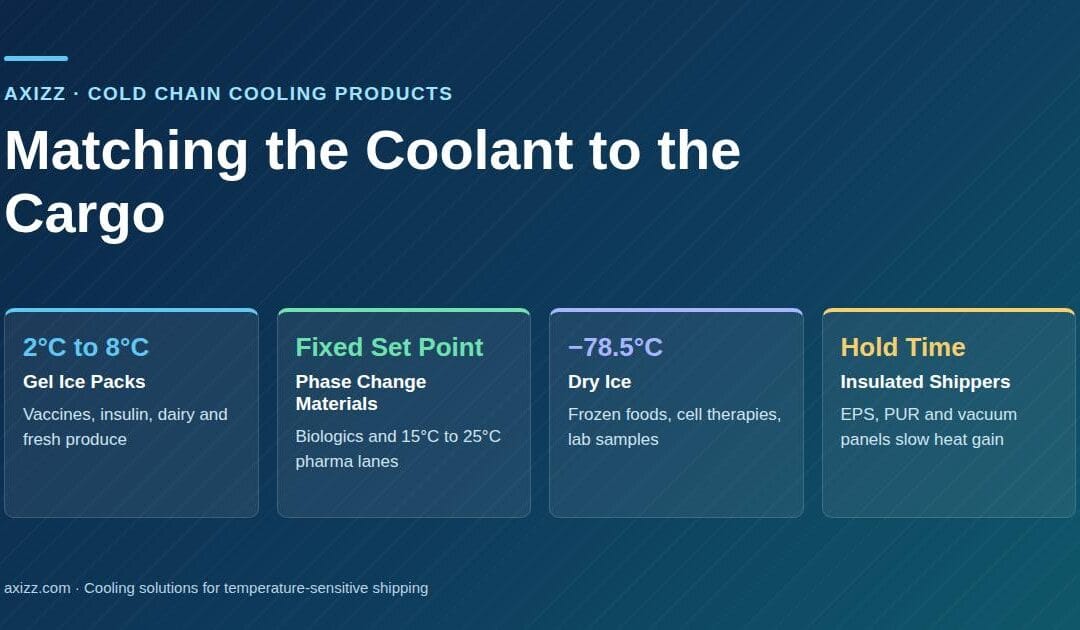
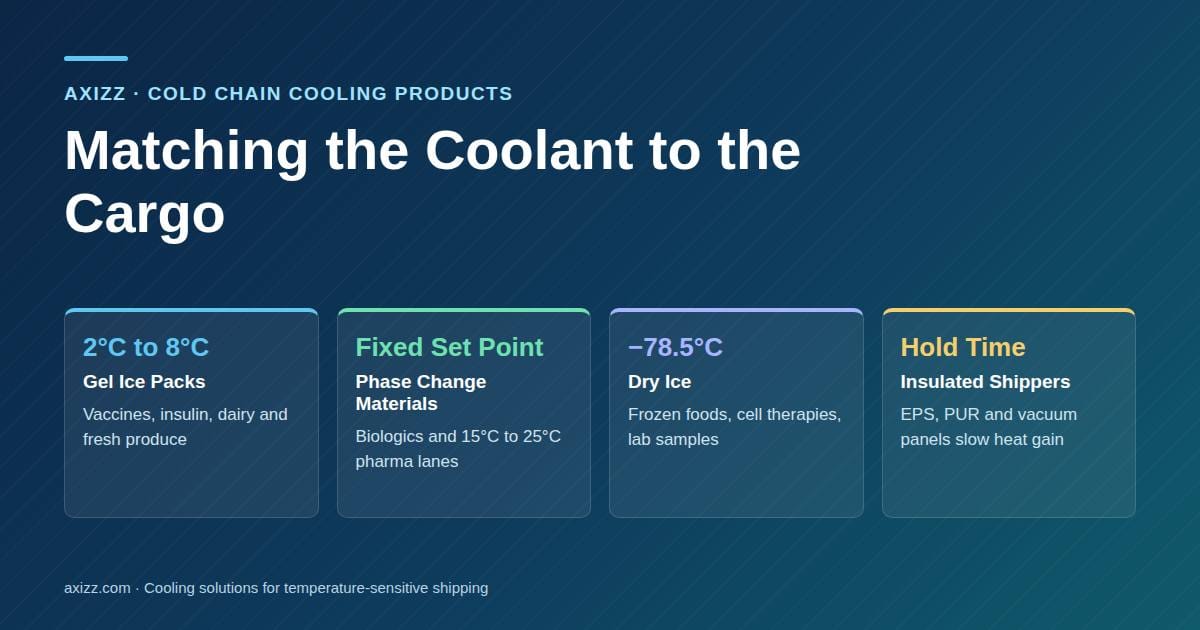
Dry gel packs suit many shipments, but extremely long journeys, very hot lanes or strict frozen requirements may need specialized refrigerants, phase-change materials or active cooling. Review your needs honestly and test alternatives before making promises to customers.
Related Reading
why temperature-controlled shipping is essential, cold chain packaging, how ice packs help maintain product integrity. For trusted background, see the World Health Organization.
FAQ
How many dry gel packs do I need per box?
It depends on box size, product load, transit time and weather. Test and adjust.
Can dry gel packs be reused?
Yes. Refreeze fully and inspect for damage before each use.
Conclusion
Dry gel packs for temperature-sensitive shipping protect quality and reduce loss when combined with insulation, testing and good process. Start with a pilot and refine.